This One Cooking Habit Might Be Ruining Your Food (Most People Do It)
If your home-cooked meals sometimes taste flat, greasy, or just off, the problem may not be the recipe - it may be a habit you repeat almost automatically. Overheating cooking oil is one of the most common kitchen mistakes, and most people do it without realizing the damage it causes. Let’s break down why this habit ruins food and how a few simple changes can dramatically improve taste, nutrition, and overall cooking results.
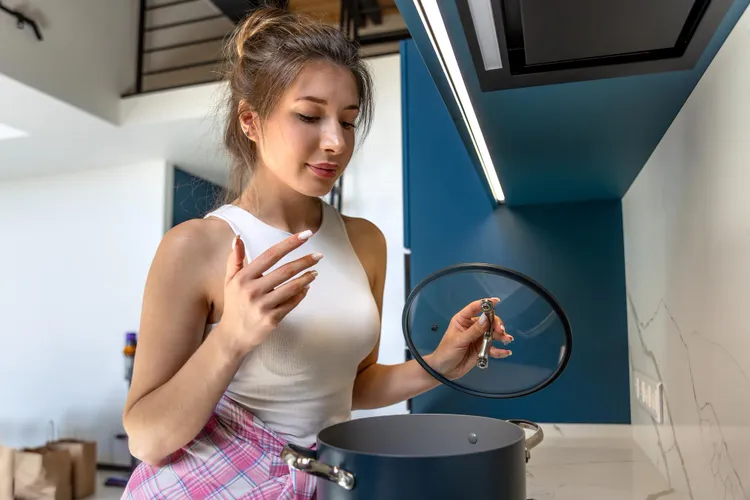
The Habit: Overheating Your Cooking Oil
Heating oil until it smokes is often seen as normal - or even necessary - for cooking. Many people wait until oil is visibly smoking before adding food, assuming this ensures proper searing.
In reality, this habit:
-
Destroys flavor
-
Breaks down healthy fats
-
Creates bitter, burnt notes
-
Reduces nutritional value
-
Can form harmful compounds
Once oil reaches its smoke point, it begins to degrade - and your food suffers immediately.
What Is a Smoke Point (And Why It Matters)?
The smoke point is the temperature at which oil begins to smoke and chemically break down. At this stage:
-
Antioxidants are destroyed
-
Healthy fatty acids oxidize
-
Oil develops an unpleasant taste
-
Potentially harmful byproducts can form
Cooking above the smoke point doesn’t make food better - it makes it worse.
Why Most People Overheat Oil Without Knowing
This habit is incredibly common because:
-
High heat is often associated with "professional" cooking
-
Recipes rarely specify oil temperature
-
Many stoves run hotter than expected
-
Social media cooking videos normalize smoking pans
Over time, this becomes muscle memory - and food quality quietly declines.
How Overheated Oil Ruins Your Food
1. It Destroys Flavor
Burnt oil adds a bitter, acrid taste that coats everything cooked in it. Even fresh ingredients can’t overcome that flavor once oil has broken down.
2. It Damages Nutritional Value
Healthy fats like olive oil lose beneficial compounds when overheated. Vitamins and antioxidants break down quickly under excessive heat.
3. It Makes Food Greasy, Not Crispy
Contrary to popular belief, higher heat doesn’t always mean better texture. Overheated oil can cause food to cook unevenly, leaving the outside greasy while the inside remains undercooked.
4. It Creates Kitchen Smoke and Odors
Once oil smokes, it releases particles that cling to clothing, curtains, and air - creating that lingering “fried” smell.
The Worst Oils to Overheat
Some oils are especially vulnerable to heat damage:
-
Extra virgin olive oil
-
Flaxseed oil
-
Walnut oil
-
Butter
These fats are best used at low to medium heat - or added after cooking.
Oils That Handle Heat Better (But Still Have Limits)
More heat-stable oils include:
-
Avocado oil
-
Refined olive oil
-
Ghee
-
Coconut oil
Even these should not be heated until smoking. “Heat-tolerant” doesn’t mean “heat-proof.”
How to Tell If Your Oil Is Too Hot (Without a Thermometer)
Watch for these signs:
-
Oil shimmers aggressively
-
A sharp smell develops
-
Smoke appears
-
Food instantly burns on contact
Oil should look gently shimmering - not smoking.
The Right Way to Heat Oil
Follow these simple steps:
-
Heat the pan first (briefly)
-
Add oil and watch closely
-
Heat until oil shimmers lightly
-
Add food immediately
If oil starts smoking, remove the pan from heat and let it cool before continuing.
Why Lower Heat Often Means Better Food
Cooking at moderate heat:
-
Preserves flavor
-
Protects nutrients
-
Allows even cooking
-
Improves texture
-
Reduces bitterness
Many professional chefs rely on controlled heat, not extreme temperatures.
Common Myths About High-Heat Cooking
Myth: Smoking oil means the pan is ready
Truth: Smoking oil means it’s already damaged
Myth: Higher heat equals faster cooking
Truth: It often leads to burnt outsides and raw centers
Simple Fixes That Instantly Improve Your Cooking
-
Lower heat slightly than you think you need
-
Choose the right oil for the job
-
Add delicate oils after cooking
-
Don’t walk away while oil heats
These small changes make a noticeable difference almost immediately.
One Small Habit, Big Impact
Overheating oil is a tiny habit with huge consequences - but it’s also one of the easiest cooking mistakes to fix. By paying attention to oil temperature, you protect flavor, nutrition, and the integrity of your meals.
Sometimes better cooking isn’t about new recipes - it’s about breaking one old habit.
Latest