Watermelon Matcha Cooler: The Drink of the Summer
Pink and green, cold and vivid - the most beautiful drink you can make in ten minutes
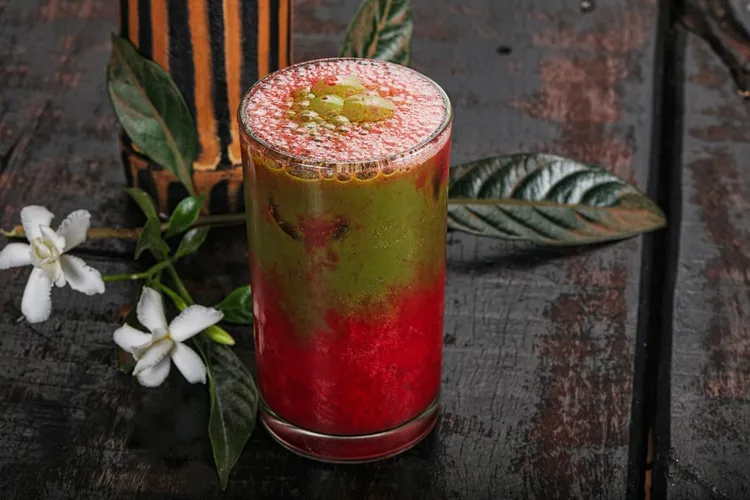
There is a drink that announces summer better than anything else we make. Not the sparkling lemonade, though it is excellent. Not the iced matcha latte, though it is the standard. The watermelon matcha cooler is the one - the drink that, when you set it on a table or hand it to someone in a garden, produces an involuntary reaction. People stop talking. They look at it. They say: what is that?
It is pink and green in a glass. Vivid, layered, cold. The pink of fresh watermelon juice against the vivid green of matcha, separated by a pour technique that holds them apart for just long enough to be photographed and admired before they swirl together into something that tastes like summer itself.
The flavor justifies the visual completely. Watermelon - mostly water, almost pure sweetness - is the ideal backdrop for matcha's earthy depth. A squeeze of lime bridges the two. A few mint leaves lift everything. And underneath it all, the clean, umami-forward character of good matcha runs through every sip, making a drink that refreshes more completely than juice alone ever could.
Ten minutes. No specialist equipment. The drink of the summer.
The watermelon is 92% water - the matcha has to carry the flavor. Use mid-grade ceremonial or better. A good powder produces a vivid, clean matcha layer that tastes complex against the sweetness of the watermelon. A cheap culinary grade produces bitterness that fights rather than complements. See Matcha 101: Why Not All Green Powders Are Created Equal and The Best Matcha Powders of 2025, Ranked.
Why Watermelon and Matcha Work
The question is worth answering, because the pairing isn't obvious until you taste it - and then it seems inevitable.
Watermelon is the most neutral of all fruit juices. With over 90% water content, watermelon juice is sweet, clean, and very light in flavor. It doesn't assert itself aggressively. This is exactly what matcha needs in a pairing: a background that sweetens without competing, that provides color and freshness without drowning the tea character. The same quality that makes watermelon taste less interesting than mango or passion fruit in a juice is what makes it perfect alongside matcha.
The acidity of lime does the bridging. Matcha's earthiness and watermelon's sweetness would sit in parallel without anything to connect them. The lime provides that connection - the slight citric sharpness cuts through the watermelon's sweetness, creates a contrast for the matcha to lean against, and produces a unified drink rather than two flavors coexisting in the same glass.
The colors are complementary. This is not superficial - the visual coherence of a drink affects how we perceive it before we taste it. Deep pink and vivid green are opposite on the color wheel. They create maximum contrast. The aesthetic pleasure of the drink primes the palate in a way that a brown or beige drink never could. We taste partly with our eyes, and this drink makes the most of that.
The hydration logic is real. Watermelon is one of the most hydrating foods available - high water content, natural electrolytes, good potassium. Combined with matcha's L-theanine and polyphenols, and the lime's vitamin C, this drink does more for your body on a hot day than any sports drink while tasting significantly better.
The Base Recipe
Serves 1 | Ready in 10 minutes
Ingredients
For the watermelon base:
- 400g seedless watermelon flesh, cubed - about ⅛ of a medium watermelon
- Juice of 1 lime (about 25-30ml)
- 1 tsp honey or agave (optional - taste first, ripe watermelon may need none)
- Pinch of fine sea salt - amplifies the watermelon flavor significantly
- 4-5 fresh mint leaves
For the matcha layer:
- 2g mid-grade ceremonial matcha (about 1.5 chashaku scoops), sifted
- 40ml water at 70-75°C
To build:
- Large ice cubes - to the top of the glass
- Fresh mint sprig for garnish
- Thin lime wheel for garnish
- Light dusting of matcha through a fine sieve (optional)
Method
Step 1: Make the watermelon juice Place watermelon cubes in a blender and blend on high for 30-40 seconds until completely smooth. Pour through a fine mesh sieve into a jug, pressing the pulp with a spoon to extract all the juice. Discard the pulp.
You should have approximately 250-300ml of clear, vivid pink watermelon juice.
Step 2: Season the watermelon juice Add lime juice, honey (if using), salt, and mint leaves to the watermelon juice. Stir well and taste. The juice should be bright, refreshing, and just a little sharper than you want in the finished drink - the ice will dilute it slightly.
For the clearest, most vivid base: strain the mint out before pouring. For a more rustic drink with mint visible in the glass: leave the mint in.
Step 3: Make the matcha concentrate Sift matcha into a small bowl. Add 40ml of 70-75°C water - slightly cooler than the standard 75°C, because watermelon juice is very light in flavor and a lower-temperature extract preserves the sweetness of the matcha better. Whisk with a bamboo chasen or electric frother in a vigorous W-motion for 30-40 seconds until completely smooth, vivid green, and lightly foamy. See How to Whisk Matcha for technique.
Allow to cool for 90 seconds. Hot concentrate poured onto the watermelon juice will slightly cook the juice at the surface and dull the color. The cooling wait is worth it.
Step 4: Build the drink Fill a tall, clear glass - wide-mouthed if possible, for maximum visual impact - with large ice cubes to the top. Pour the watermelon base over the ice, filling the glass to about 2cm below the rim.
Step 5: Layer the matcha Hold a long-handled spoon horizontally just above the surface of the watermelon juice. Pour the cooled matcha concentrate very slowly over the back of the spoon. The matcha should settle on the surface of the watermelon juice and hold there - a vivid green layer above deep pink. The layering holds for 60–90 seconds before the densities equalise and the layers begin to swirl together.
Step 6: Garnish and serve Tuck a fresh mint sprig against the inside of the glass. Rest a thin lime wheel on the rim. Dust lightly with matcha through a fine sieve if desired. Serve immediately.
To drink: Sip through the layers and experience the flavors shift - earthy matcha first, then watermelon, then the mint and lime underneath. Stir before finishing to combine everything. Both experiences are correct.
The Layering: Why It Works and How to Perfect It
The pink-and-green layered look is what makes this drink famous, and it is entirely about density and patience.
Why it layers: Cold, sweet watermelon juice is denser than the warm, thin matcha concentrate. Poured gently over a spoon, the less dense concentrate sits on top of the denser juice rather than sinking through. The same physics that make the classic iced matcha latte and the rose latte layer.
The critical variables for a clean layer:
- Let the matcha cool for at least 90 seconds - warm concentrate is less dense and sinks faster
- Add honey to the watermelon juice - the sugar increases the density of the base and holds the matcha longer
- Pour the matcha extremely slowly, over the back of a spoon
- Use a wide-mouthed glass - more surface area means the matcha can spread across the top rather than punching through in one concentrated spot
- Work with cold ice - the watermelon base must be cold when the matcha is poured
If the layers don't hold: The most common cause is not cooling the matcha long enough. Two minutes of waiting feels excessive when you're thirsty. It isn't. A warm concentrate poured onto watermelon juice immediately sinks through rather than floating. Cool it properly.
For the most dramatic layering: Make the matcha concentrate as a cold brew - 2g dissolved in cold water over 2-4 hours. Cold brew concentrate poured over watermelon juice holds layers significantly longer and produces a more vivid, less bitter matcha character that works beautifully against watermelon's sweetness.
The Pitcher Version: Made for Summer Entertaining
This is the recipe that makes this drink legendary at outdoor gatherings. A large glass pitcher of pink watermelon juice with green matcha poured over the top, served table-side with a ladle and a bowl of ice on the side.
Serves 8-10 | Requires 25 minutes prep
Ingredients
Watermelon base (make ahead, keep cold):
- 2.5kg seedless watermelon flesh, cubed
- Juice of 4-5 limes
- 3 tbsp honey or agave, dissolved in the lime juice while warm
- Large handful of fresh mint leaves, steeped for 10 minutes then strained
- 1 tsp fine sea salt
Matcha concentrate (make just before serving or use cold brew):
- 12g ceremonial or mid-grade matcha, sifted
- 200ml water at 70°C, whisked to a smooth concentrate and cooled
- OR: 12g matcha dissolved in 200ml cold water, cold-brewed for 2-4 hours
Pitcher assembly
Option A - Dramatic table-side pour: Pour the cold watermelon base into a large, clear pitcher with ice. Bring the pitcher and the matcha concentrate to the table in a separate small jug. Pour the matcha concentrate slowly over the back of a spoon onto the surface of the watermelon juice directly in the pitcher, creating a green layer over the pink base. Serve immediately, before guests stir it. The visual effect in a large clear pitcher is extraordinary.
Option B - Pre-mixed (simpler): Combine the watermelon base and matcha concentrate in the pitcher, stir, add ice. Pour into individual glasses. The color is a vivid, unified pink-green rather than layered, and it is still beautiful.
For a crowd demonstration: Use Option A and pour the matcha in front of your guests. Pouring the matcha over a ladle handle or the back of a large serving spoon in full view of the table is the kind of simple hospitality moment that generates disproportionate delight.
5 Variations
1. Sparkling Watermelon Matcha
Replace the plain watermelon juice with a mixture of 200ml watermelon juice + 100ml premium sparkling water. Add the sparkling water just before serving - never combine sparkling water with the base in advance or you'll lose all the carbonation. The bubbles lift the watermelon's sweetness and make the drink feel more celebratory. The carbonation through the watermelon-matcha layers, as it rises, creates tiny disruptions in the color boundary that look beautiful.
2. Watermelon Matcha Lemonade
Add the juice of an extra half lemon to the watermelon base and reduce the honey slightly. The extra acidity creates a sharper drink - closer to the Sparkling Matcha Lemonade in character, but with the tropical sweetness of watermelon behind it. The most refreshing variation on this list.
3. Watermelon Matcha with Ginger
Add 2-3 slices of fresh ginger to the watermelon juice and blend with it, then strain thoroughly. The ginger adds a gentle heat that builds slowly - warmth running underneath the cold drink that is unexpected and very welcome. Best in the late afternoon when the heat of the day begins to ease.
4. Frozen Watermelon Matcha Slushie
Freeze the watermelon base in ice cube trays overnight. Blend the frozen watermelon cubes in a high-speed blender with the matcha concentrate until smooth. The result is a thick, slushy, deeply cold drink that is more textured than a popsicle and more refreshing than a smoothie. Pour into a tall glass, garnish with mint, and drink immediately before it melts.
5. Watermelon Matcha Cocktail
Add 30ml of white rum or tequila blanco to the watermelon base before building the drink. The rum makes the watermelon sweeter and more tropical. The tequila makes the lime sharper and the overall drink more complex - and pairs surprisingly well with the matcha's earthiness. A squeeze of extra lime, a salt rim, and suddenly this is the best non-espresso-martini cocktail you've made this summer. See the cocktail note in Sparkling Matcha Lemonade for more alcohol pairing guidance.
Pairing Suggestions
The watermelon matcha cooler is the most versatile drink in the summer collection for food pairing - its combination of sweetness, earthiness, and acidity means it works alongside almost anything you'd serve outdoors.
Light and fresh: Matcha Overnight Oats with mango and coconut toppings for a summer breakfast. The tropical register of both makes a coherent morning.
Snacks: Matcha Energy Balls or Matcha Smoothie Bowl Muffins - the gentle sweetness of both works with the brightness of the watermelon.
Dessert pairing: The Matcha Lemonade Popsicle or the Matcha Strawberry Swirl Popsicle - the same summer color palette in two formats, served together.
At a summer party: This drink alongside the Sparkling Matcha Lemonade in separate pitchers gives guests a choice between tropical and sharp. Both are pink-and-green. Both are visually striking. Together they make a table look genuinely considered.
The complete summer matcha spread: Watermelon cooler + Matcha Coconut Ice Cream + Matcha Shortbread. All summer. All vivid. All made in this kitchen.
Pro Tips
- Use seedless watermelon. Seeded watermelon requires more straining and produces a slightly less vivid juice from seeds releasing tannins into the blend. Seedless is more widely available in summer and produces a cleaner result.
- The saltiest tip on this page: The pinch of sea salt in the watermelon juice is not garnish - it is a flavor transformation. Salt amplifies watermelon's sweetness by suppressing bitter compounds that are present even in ripe fruit. A pinch of salt makes the watermelon taste more watermelon. It is one of the most impactful small additions in this entire collection.
- Chill the watermelon before blending. Cold watermelon produces a colder juice that requires less ice to chill and holds the matcha layers longer. Keep cut watermelon in the fridge for at least 2 hours before making the drink.
- Wide-mouthed glass, always. A narrow tumbler produces a tall, thin layer effect that is less visually dramatic. A wide-mouthed glass - a Duralex glass, a large mason jar, a wide wine glass - gives the matcha layer more surface area to spread across and creates a more dramatic color boundary.
- Make the watermelon base up to 24 hours ahead. Watermelon juice keeps well refrigerated for one day without significant flavor loss. Make it the evening before an outdoor event and refrigerate. The matcha concentrate must be made fresh - or as a cold brew up to 36 hours ahead.
Common Mistake: Under-Salting the Watermelon Base This is the single most common omission that makes the drink taste one-dimensional. The watermelon without salt tastes sweet and slightly watery. With a pinch of fine sea salt, it tastes like the best, most concentrated watermelon you've ever had. Do not skip it - and don't be cautious about it. A genuine pinch: more than you'd put on a boiled egg, less than you'd put in a pot of pasta water.
When to Make This Drink
Make it in July and August. Watermelon peaks in midsummer - it's sweeter, more watery, more vivid in both color and flavor than at any other time of year. Out-of-season watermelon produces a paler, less flavorful juice that is technically workable but lacks the drama.
Make it for outdoor occasions. Garden parties, barbecues, outdoor lunches, pool afternoons. This drink was made for heat and sunlight. It works indoors but belongs outside.
Make it when you want to impress without effort. The visual impact of this drink is disproportionate to the work involved - ten minutes, one blender, basic ingredients. People will assume it took much longer. You do not have to correct this impression.
FAQ
Q: Can I make this without a blender?
Yes - press watermelon flesh through a fine mesh sieve using the back of a spoon, then strain the extracted juice again. It takes longer than blending (about 10 minutes per batch) and produces a slightly less clear juice, but the flavor is identical.
Q: What if my watermelon isn't very sweet?
Add a little more honey to the base and taste again. A less sweet watermelon also benefits from an extra squeeze of lime - the sharpness makes it taste more vivid even if the natural sugar isn't as high. Ripeness is the main driver; out-of-season watermelon is harder to compensate for, but additional sweetener helps.
Q: Can I use frozen watermelon?
Yes - frozen watermelon chunks blended with a small amount of water produce a slushier, colder base that works well in the frozen slushie variation. For the standard drink, fresh is preferable because it produces a cleaner, brighter juice with a more vivid color.
Q: How long does the watermelon juice keep?
Refrigerated in a sealed container, 24-36 hours before the color begins to dull and the flavor loses its freshness. Make it as close to serving time as possible for the best result, or the day before at most.
Q: Is this drink suitable for children?
Yes - watermelon and lime are both child-friendly, and the matcha provides a modest caffeine dose (35-70mg per serving, depending on the powder). Reduce the matcha to 1g for younger children or if you're serving multiple drinks throughout the day.
🔗 Continue Exploring
- Sparkling Matcha Lemonade: Summer's Coolest Drink
- Iced Matcha Season: Your Complete Cold Drink Guide
- Every Viral Iced Matcha Drink, Ranked by Us
- Cold Brew Matcha: How to Make It Perfectly at Home
- The Perfect Iced Matcha Latte: 5 Variations
- Matcha Rose Latte: The Most Beautiful Drink You'll Ever Make
- Matcha Popsicles: 4 Flavors to Make This Weekend
- Matcha Coconut Ice Cream: No-Churn, No-Fuss
- Matcha Overnight Oats
- How to Whisk Matcha: The Perfect Cup Every Time
- L-Theanine: The Science Behind Matcha's Calm Energy
- Matcha 101: Grades Explained
- The Ultimate Matcha Guide
Latest