The Perfect Iced Matcha Latte: 5 Variations to Try
One recipe to master. Five directions to take it.
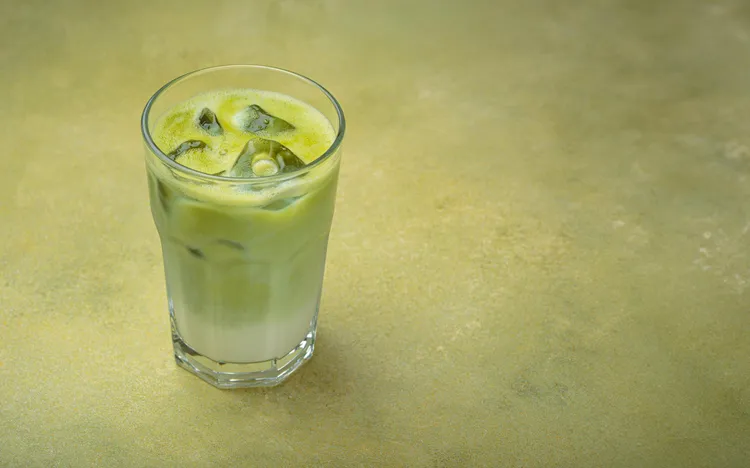
The iced matcha latte is the drink that converted a generation. Not the tea ceremony. Not the whisked bowl. Not the wellness powders. The latte - cold, green, layered, beautiful in a clear glass - is what made matcha mainstream, and for good reason. It is one of the genuinely perfect drinks: complex enough to be interesting, smooth enough to be refreshing, visual enough to stop a room.
The problem is that most people have only ever made one version. The same ratio, the same milk, the same sequence, every time - a drink that they like but that never surprises them. This post is the solution to that problem.
We start with the base recipe, refined to the point where every element has a reason. Then we take it in five completely different directions - each a distinct drink in its own right, each built from the same foundation. Master one, and you have five.
The single biggest variable in any iced matcha latte is the powder. Cold preparation makes quality differences very visible - there is no heat to soften harsh edges, no steam to carry away volatile bitterness. Before anything else, read Matcha 101: Why Not All Green Powders Are Created Equal and The Best Matcha Powders of 2025, Ranked. The right powder makes every variation on this list work. The wrong one limits all of them.
The Base Recipe: What Perfect Actually Means
The word "perfect" in a recipe title is a commitment. Here is what we mean by it.
A perfect iced matcha latte has:
Vivid, electric color - a green so clear and bright it looks almost backlit. This comes from good powder, correct water temperature, and the cold-concentrate technique. Grey-green or dull olive indicates oxidised powder, water that was too hot, or a powder that dissolved inadequately.
Smooth texture - no grittiness, no floating particles, no bitter pockets. This comes entirely from the pre-dissolve step. Skip it and the texture is never quite right.
Clean flavor with a long finish - sweet upfront from the oat milk, earthy and umami-forward through the mid-palate, and a finish that lingers pleasantly for 15-20 seconds. The finish of a good matcha latte is one of its most distinctive qualities - it should make you want the next sip rather than washing the palate clean.
The layered look - green concentrate floating above white milk, swirling slowly together as you bring the glass toward you. This is not decoration. It is the visual signal that the drink was made with intention rather than assembled hastily.
If any of these elements are missing, there's a specific fix. We address each in the pro tips section.
Ingredients
Serves 1 | Ready in 5 minutes
For the matcha concentrate:
- 2g ceremonial or mid-grade matcha (about 1.5 chashaku scoops), sifted - sifting is not optional
- 40ml water at 75°C - temperature-controlled kettle, or boil and rest for 3 minutes
For the latte:
- 200–220ml barista oat milk, very cold - straight from the fridge
- 1 tsp honey, vanilla syrup, or maple syrup (optional) - taste first; good oat milk may need none
- Large ice cubes - as large as you can make or buy; they melt slower and dilute less
To finish:
- A light dusting of culinary matcha through a fine sieve
- A paper or glass straw - the layers look best undisturbed before the first sip
Method: Step by Step
Step 1: Sift the Matcha
Hold a fine mesh sieve over a small bowl and press the measured matcha through it with a teaspoon. This takes ten seconds and eliminates every clump before they can become a problem. Unsifted matcha produces a lumpy, unevenly dissolved concentrate no matter how well you whisk it.
Step 2: Make the Concentrate
Add 40ml of 75°C water to the sifted matcha. Whisk immediately and vigorously with a bamboo chasen - W-motion, 30-40 seconds, pressing any remaining particles against the bowl. The finished concentrate should be smooth, uniform, and lightly foamy on the surface.
No chasen? A small handheld electric frother works very well. A regular whisk works adequately. A spoon alone does not work - the matcha particles don't have enough agitation to dissolve.
Allow the concentrate to cool for 60-90 seconds before using. Hot concentrate poured directly onto cold milk causes the milk proteins to slightly cook at the surface, dulling the color and disrupting the layering.
For a smoother, sweeter, less bitter result - particularly on warm days - try making the concentrate as a cold brew matcha instead: 2g matcha dissolved in cold water and steeped for 2-4 hours. The flavor difference is genuine and remarkable.
Step 3: Build the Latte
Fill a tall, clear glass to the top with large ice. Pour the cold oat milk over the ice. If using a sweetener, stir it into the milk before pouring - honey dissolves better in liquid than it does poured onto ice.
Step 4: Layer the Matcha
Hold a long-handled spoon horizontally just above the surface of the milk. Pour the cooled matcha concentrate slowly over the back of the spoon, letting it spread across the surface and settle on top. The matcha should sit visibly distinct from the white milk below - a clean green layer, swirling gently at the boundary.
This works because the cool, dense milk is heavier than the warm, thin concentrate. The spoon disperses the pour so it lands gently rather than punching through. See The Complete Cold Drink Guide for more on layering physics.
Step 5: Finish and Serve
Dust lightly with matcha through a sieve if desired. Serve immediately with a straw. The layering holds for approximately 60-90 seconds before the densities equalise and the layers begin to swirl together - which is also beautiful, just differently so.
Stir before drinking, or sip through the layers and let the flavor shift from earthy matcha at the top to creamy, sweet milk at the bottom. Both approaches are correct.
The Milk Guide
Milk choice is the single most impactful variable after the matcha itself. Here is an honest breakdown of how every common option performs in an iced latte:
| Milk | Cold Texture | Sweetness | Layer Contrast | Overall |
|---|---|---|---|---|
| Barista oat milk | Creamy, substantial | Natural, mild | ⭐⭐⭐⭐⭐ white | Best all-round |
| Full-fat dairy | Very rich | Neutral | ⭐⭐⭐⭐⭐ white | Excellent, classic |
| Coconut milk (carton) | Light-medium | Slightly sweet | ⭐⭐⭐⭐ off-white | Good, tropical note |
| Soy milk | Medium body | Slightly beany | ⭐⭐⭐⭐ white | Good, reliable |
| Almond milk | Thin | Slightly nutty | ⭐⭐⭐ white | Lighter result |
| Oat milk (standard) | Medium | Natural | ⭐⭐⭐⭐ white | Good; barista is better |
Our strong recommendation: Barista oat milk, very cold. The creaminess, color contrast, and natural sweetness make it the ideal vehicle for the layered iced latte. If you're serving guests or want the most visually impressive result, this is the only choice.
Pro Tips: When Things Go Wrong
The color is grey-green, not vivid green. One of three causes: oxidised matcha powder (stale or stored incorrectly - see Matcha Storage Guide), water that was too hot (above 80°C oxidises chlorophyll rapidly), or concentrate poured too hot onto ice. Use fresh powder, correct temperature, and let the concentrate cool before pouring.
There are clumps floating in the drink. The matcha wasn't sifted and/or wasn't whisked sufficiently. Strain the finished concentrate through a fine sieve before pouring over ice. Next time, sift first and whisk for the full 30-40 seconds.
The layers don't form - the matcha sinks straight through. The concentrate was too hot, or the milk wasn't cold enough, or you poured too fast. Let the concentrate cool for 90 seconds, ensure the milk is fridge-cold, and pour over a spoon very slowly.
The drink tastes bitter. Either the matcha grade is too low (culinary grade in a cold latte is often noticeably harsh), or too much powder was used, or the water was too hot. For a full diagnostic, see Why Does My Matcha Taste Bitter?.
The drink tastes weak. The powder is stale, or the ratio is off. Use 2g minimum per serving, and check that your powder has been stored correctly and is within 3-4 weeks of opening. Older powder is both weaker in flavor and duller in color.
The 5 Variations
Variation 1: The Vanilla Iced Matcha Latte
Character: Sweet, smooth, crowd-pleasing - the one that converts matcha sceptics
This is the gateway variation. Vanilla rounds the matcha's earthiness so completely that even people who claim not to like green tea will find themselves reaching for more. It's the version closest to what the best café-style matcha lattes taste like - and it's significantly better made at home.
What changes:
- Add 1 tsp pure vanilla extract (or ½ tsp vanilla paste for a more pronounced vanilla-bean flavor) to the oat milk before pouring
- Increase sweetener slightly - 1½ tsp honey works well here
- Optional: a drop of vanilla on the foam after dusting with matcha, for an aromatic finish
The pairing: Matcha Shortbread - buttery and simple against the sweet vanilla latte. The combination that has made the most first-time matcha converts in our kitchen.
When to make it: For guests who are new to matcha. For mornings when you want something uncomplicated and good. For the person in your life who has said "I don't like matcha" at least once - make them this version, unsaid.
Variation 2: The Brown Sugar Cinnamon Iced Matcha Latte
Character: Warm, spiced, deeply satisfying - the café-menu version, made better
Brown sugar syrup has become one of the most popular sweeteners in specialty coffee - its slight molasses depth adds a dimension that plain simple syrup doesn't have. Add cinnamon and it becomes a spiced version that bridges the Warm Matcha Oat Latte with Cinnamon & Honey and the cold drink world in one glass.
Make the brown sugar cinnamon syrup (keeps for 2 weeks refrigerated):
- 100g dark brown sugar + 100ml water + 1 Ceylon cinnamon stick
- Simmer until sugar dissolves, steep for 10 minutes, cool, strain
- Store in a small jar in the fridge
What changes:
- Replace honey with 2 tsp brown sugar cinnamon syrup, stirred into the oat milk
- Add a small pinch of cinnamon to the matcha concentrate before whisking
- Garnish with a light dusting of cinnamon across the foam after the matcha layer
The flavor: The molasses in the brown sugar pulls out a roasted depth in the matcha that straight sweeteners don't reveal. The cinnamon creates warmth that is unexpected and welcome in a cold drink.
The pairing: Matcha Banana Bread - the brown sugar and cinnamon notes in the bread echo the latte completely. A very satisfying autumn pairing even when served cold.
Variation 3: The Coconut Matcha Latte
Character: Tropical, creamy, slightly sweet - a different timezone entirely
Replace oat milk with cold coconut milk from a carton (the thinner drinking variety, not canned full-fat) and something interesting happens. The tropical sweetness of coconut and the earthy depth of matcha shouldn't work together as well as they do - but they do, in the same way that a squeeze of lime doesn't seem like it should improve a savory dish but always does.
What changes:
- Replace oat milk with cold coconut milk drink - not canned coconut milk, which is too thick and fat-heavy for a cold latte
- Add 1 tsp coconut syrup or a small splash of coconut cream to deepen the coconut character if desired
- Reduce or omit the sweetener - coconut milk is often sweet enough on its own
- Garnish with a pinch of toasted desiccated coconut on the foam alongside the matcha dusting
The upgrade: Use cold brew matcha steeped in half coconut water, half filtered water for the concentrate - the coconut water adds electrolytes and a natural sweetness that integrates completely with the coconut milk. The Matcha Coconut Cold Brew method in our cold brew guide is the basis for this.
The pairing: Matcha Smoothie Bowl Muffins with a coconut topping, or Matcha Energy Balls with toasted coconut. The tropical register of all three makes a coherent morning spread.
When to make it: July and August. When you want your morning latte to taste like somewhere warmer. When you're serving a brunch and want the drink to feel resort-appropriate.
Variation 4: The Matcha Latte with Lavender Syrup
Character: Floral, sophisticated, the most visually surprising version
Lavender and matcha is a pairing that initially sounds unlikely - floral and earthy, purple and green, French countryside and Japanese tea house. And yet it works, with the same surprising logic as the Matcha Rose Latte: the floral note doesn't compete with matcha's earthiness, it frames it, making the green tea character seem both more delicate and more present.
Make the lavender syrup (keeps for 2 weeks refrigerated):
- 100g white sugar + 100ml water + 2 tbsp dried culinary lavender
- Simmer until sugar dissolves, steep off heat for 8 minutes (no longer - over-steeped lavender becomes medicinal), strain and cool
What changes:
- Stir 1-1½ tsp lavender syrup into the cold oat milk before pouring - start conservatively, lavender is assertive
- No other sweetener needed
- Garnish with 3-4 dried culinary lavender buds scattered on the foam
The balance: The lavender syrup must be tasted before using in the drink. Lavender at the wrong concentration tips from "sophisticated floral" to "soap" or "cleaning product" with very little warning. 1 tsp is usually the right amount - add the second half-teaspoon only if the lavender is not detectable in the milk.
The pairing: Matcha Financiers - the French-Japanese elegance of these small butter cakes is a natural companion to the Provençal lavender in the latte. Serve together for a very considered afternoon tea.
When to make it: Spring and early summer. For a brunch where you want something to surprise people. As the non-alcoholic option at a dinner party where the aesthetic is relaxed and considered.
Variation 5: The Protein Iced Matcha Latte
Character: Filling, functional, genuinely delicious - the post-workout version that doesn't taste like a compromise
The reputation of protein drinks is understandable and mostly deserved - they often taste like chalk, artifice, and regret. This version doesn't. The oat milk and matcha do so much of the flavor work that the protein powder is almost invisible - you get the creaminess, the filling quality, and the macros without any of the shake-like aftertaste.
What changes:
- Add 1 scoop of vanilla protein powder (25-30g) to the cold oat milk
- Shake or froth the milk with the protein powder before adding ice - this ensures it dissolves completely and produces the thickest, creamiest result
- Increase the matcha slightly - 2.5g rather than 2g, because the protein powder slightly mutes flavor
- Use 240ml of milk rather than 200ml to accommodate the extra thickness from the protein
Protein powder notes: Vanilla works best - it complements rather than competes. Unflavored whey or plant protein are also good. Chocolate protein powder with matcha is interesting but overwhelming. Avoid anything strongly flavored (salted caramel, etc.) which fights the matcha character.
Macros (approximate, varies by protein powder brand):
- Protein: ~25-30g
- Carbohydrates: ~20g
- Calories: ~250-300 kcal
The pairing: This is the post-workout breakfast drink. Make Matcha Overnight Oats with the Protein Power variation alongside for a complete recovery meal. For more on matcha's role in exercise and recovery, see Matcha for Workout Recovery: What Athletes Are Drinking.
When to make it: Every morning if training. As a desk lunch if you're short on time and need something genuinely sustaining. Whenever a protein shake sounds necessary but depressing.
Side by Side: Choosing Your Variation
| Vanilla | Brown Sugar Cinnamon | Coconut | Lavender | Protein | |
|---|---|---|---|---|---|
| Sweetness | Medium-high | Medium | Low-medium | Medium | Medium |
| Complexity | ⭐⭐⭐ | ⭐⭐⭐⭐ | ⭐⭐⭐ | ⭐⭐⭐⭐⭐ | ⭐⭐⭐ |
| Effort | Low | Medium (syrup) | Low | Medium (syrup) | Low |
| Best season | Year-round | Autumn-winter | Summer | Spring | Year-round |
| For sceptics | ✅ Best | ✅ Good | ✅ Good | ⚠️ Acquired taste | ✅ Good |
| For purists | ⚠️ Too sweet | ⚠️ Masks matcha | ⚠️ Changes profile | ⚠️ Floral | ⚠️ Mutes flavor |
| Make ahead | ❌ | ✅ (syrup) | ❌ | ✅ (syrup) | ❌ |
Batch Prep: Making Iced Matcha Lattes for a Week
If you drink an iced matcha latte every morning, doing the full preparation daily takes five minutes you might not always have. Here's how to reduce that to ninety seconds per morning:
Make a cold brew matcha concentrate on Sunday: Dissolve 12g of matcha in 200ml of cold filtered water (pre-paste method: 12g matcha + 4 tbsp cold water whisked to paste, then 160ml cold water added), refrigerate overnight, and store in a small sealed jar. This concentrate keeps for 5 days and makes 6 single servings at 33ml each. Full method in Cold Brew Matcha: How to Make It Perfectly at Home.
Make any syrup on Sunday: Brown sugar cinnamon syrup and lavender syrup both keep for 2 weeks refrigerated in sealed jars. One 15-minute session on Sunday means flavored lattes all week.
Morning routine: Fill glass with ice. Pour cold oat milk. Pour 33ml of cold brew concentrate over the back of a spoon. Done. Ninety seconds.
FAQ
Q: Should I use hot or cold water for the concentrate?
Hot water (75°C) produces a concentrate faster - 30-40 seconds of whisking. Cold water (cold brew method) takes 2-4 hours but produces a smoother, less bitter result. For daily drinking, we make cold brew concentrate in batches. For a single drink made in the moment, hot water is faster and still excellent.
Q: How much ice is the right amount?
Fill the glass completely - to the very top. You want enough ice to keep the drink cold for the 10–15 minutes it takes to drink it without becoming so diluted that the flavor is lost. Large-format ice cubes (from a silicone tray) are ideal: more surface area keeping things cold, less total surface area melting into the drink.
Q: Can I make this with hot matcha and then add ice?
Yes, but the result is different. Hot-prepared matcha added directly to ice creates a rapid temperature shock that can grey the color slightly and produces a slightly more astringent flavor. It's the method most cafés use. The cold brew or cooled-concentrate methods produce a noticeably better result, especially in color.
Q: How long does an iced matcha latte keep?
The assembled drink is best drunk immediately. However, the prepared components keep well: cold brew concentrate for 5 days, syrups for 2 weeks, and pre-portioned matcha in a sifter ready for morning use indefinitely. Assembly is the part that must happen fresh.
Q: Why does my latte look less vivid than café versions?
Cafés typically use a higher matcha-to-water ratio for the concentrate, which produces a more vivid color. Try increasing to 2.5g matcha per serving and reduce the water to 30ml for a denser, more concentrated shot. Also ensure your powder is fresh - matcha color degrades noticeably within 4-6 weeks of opening even with correct storage. See Matcha Storage Guide.
🔗 Everything in This Guide
- Cold Brew Matcha: How to Make It Perfectly at Home
- Matcha Rose Latte: The Most Beautiful Drink You'll Ever Make
- Warm Matcha Oat Latte with Cinnamon & Honey
- Iced Matcha Season: Your Complete Cold Drink Guide
- Sparkling Matcha Lemonade
- How to Whisk Matcha: The Perfect Cup Every Time
- Matcha Overnight Oats
- Matcha Shortbread
- Matcha Financiers
- Matcha for Workout Recovery
- Why Does My Matcha Taste Bitter?
- Matcha Storage Guide
- Matcha 101: Grades Explained
- The Ultimate Matcha Guide
Latest