What I Cook When I Don’t Want to Cook
Some days, cooking feels grounding. Other days, it feels impossible. On those days, the goal isn’t creativity or perfection - it’s feeding yourself without making life harder than it already is.
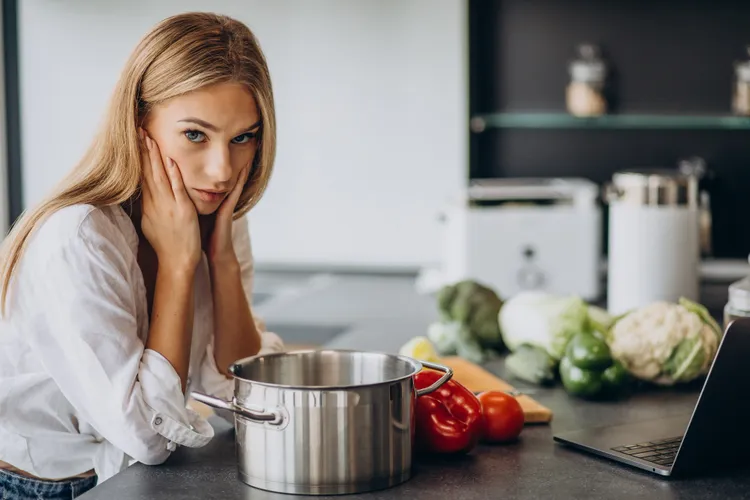
There’s a version of cooking we rarely talk about - the kind that happens when energy is low, motivation is gone, and the idea of chopping anything feels exhausting. These are the days when elaborate recipes don’t serve us. What does serve us is simplicity, familiarity, and permission to do less.
When I don’t want to cook, I start by redefining what “cooking” even means. It doesn’t have to involve heat, timing, or multiple steps. Sometimes it’s just assembling food in a way that feels comforting and filling. Nourishment doesn’t require effort - it requires intention.
One of my most reliable fallback meals is something bowl-based. A base of rice, toast, or pasta becomes the foundation, topped with whatever is already prepared or easy to add. Leftover vegetables, canned beans, eggs, cheese, or a spoonful of sauce instantly turn something plain into a meal. The magic isn’t in variety - it’s in enoughness.
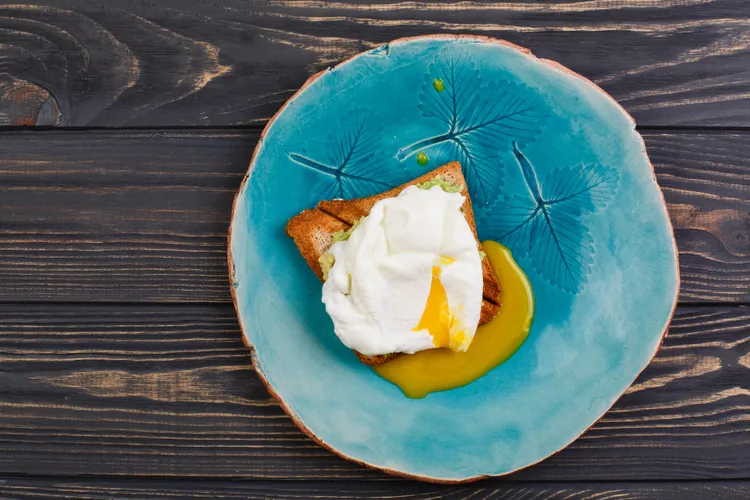
Eggs are another go-to when cooking energy is low. They cook quickly, require minimal cleanup, and adapt to nearly any flavor. Scrambled eggs with toast, a soft-boiled egg over rice, or a simple omelet with whatever is in the fridge checks all the boxes: protein, warmth, and comfort without commitment.
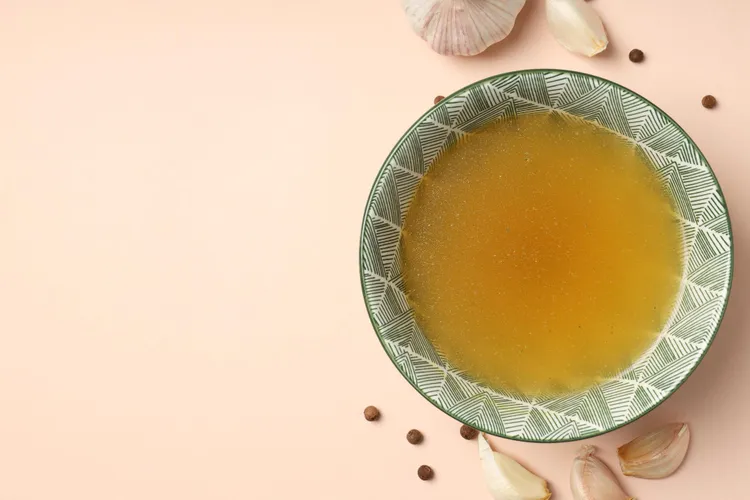
Soup is often the answer when decision fatigue sets in. This doesn’t mean making soup from scratch. It means reheating something already made, adding broth to leftovers, or opening a quality store-bought option and enhancing it with frozen vegetables, noodles, or protein. Soup feels like care even when effort is minimal.
Sandwiches are underrated comfort food. Bread plus filling equals dinner, and there’s no rule saying sandwiches are only for lunch. Grilled cheese, peanut butter and banana, hummus and vegetables, or a simple turkey sandwich can be deeply satisfying when energy is low. The familiarity itself is nourishing.
Pasta is another low-effort hero. Boiled noodles with butter and salt are enough on some days. On others, a jarred sauce, frozen vegetables, or a handful of greens stirred in at the end adds balance without complexity. Pasta doesn’t need to be impressive - it needs to be reliable.
When even stovetop cooking feels like too much, I lean into snack-style meals. A plate with crackers, cheese, fruit, yogurt, nuts, or leftovers still counts. Eating doesn’t have to look like a traditional meal to be valid. Sometimes grazing is exactly what the body wants.
Frozen foods deserve more credit than they get. Frozen vegetables, pre-cooked grains, dumplings, or simple frozen meals remove barriers when energy is depleted. Convenience isn’t laziness - it’s strategy. Feeding yourself efficiently is a form of self-respect.
One of the most important shifts I’ve made is removing guilt from these choices. Low-effort meals aren’t failures. They’re responses to real energy levels. When food is framed as support instead of performance, the pressure lifts - and eating becomes easier.
What I cook when I don’t want to cook isn’t about shortcuts; it’s about sustainability. These meals keep me fed, grounded, and functional without asking more than I can give. And on the days when cooking feels joyful again, these simple meals remind me that nourishment was never about effort - it was always about care.
Latest