What Your Brain Does Before You Take the First Bite
Eating doesn’t begin with the first bite - it begins in the brain. Long before food touches your tongue, your brain is already preparing your body to eat. Understanding what happens in those moments explains why anticipation matters just as much as taste.
The experience of eating is often thought of as physical, but it starts as a neurological event. Before food ever reaches your mouth, your brain has already made predictions about how it will taste, how satisfying it will be, and how your body should respond. These predictions shape digestion, appetite, and enjoyment in powerful ways.
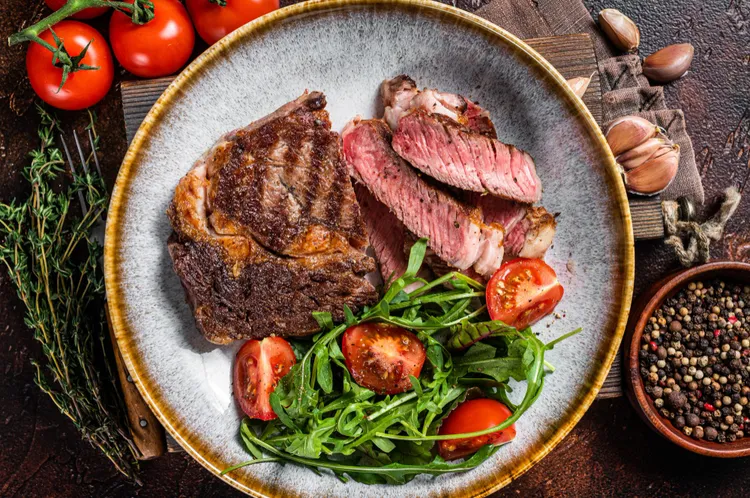
The process begins with sensory input. The sight of food activates visual centers in the brain, which immediately begin associating what you see with past experiences. If the food looks familiar or appealing, your brain recalls previous enjoyment. This memory-based anticipation sets the stage for pleasure even before eating begins.
Smell plays an especially strong role. Olfactory signals travel directly to areas of the brain linked to emotion and memory. The aroma of food triggers saliva production and digestive enzyme release, preparing the body for incoming nutrients. This is why food smells so enticing - and why flavor feels muted when smell is blocked.
Expectation is another major factor. The brain uses context - where you are, who you’re with, what you’ve been told - to predict the eating experience. A dish described as rich or comforting primes the brain to perceive it that way. These expectations can enhance or diminish perceived flavor, regardless of the food itself.
The brain also assesses safety. Before eating, it evaluates whether the environment feels calm or stressful. In relaxed settings, the parasympathetic nervous system activates, supporting digestion. Under stress, the body remains in fight-or-flight mode, reducing digestive efficiency and dampening enjoyment.
Anticipation influences hunger signals as well. Hormones like ghrelin increase as the brain anticipates food, stimulating appetite. This isn’t just about energy needs - it’s about timing. The brain coordinates hunger with expected eating to optimize digestion.
Memory deeply shapes this process. Foods associated with comfort, celebration, or care trigger positive emotional responses. These memories can heighten pleasure and satisfaction. Conversely, negative associations can suppress appetite or enjoyment, even if the food is technically appealing.
The brain also prepares the digestive tract. Saliva production increases, stomach acid levels adjust, and insulin release begins in anticipation of glucose intake. This “cephalic phase” of digestion ensures the body is ready to process food efficiently.
Attention matters too. When eating is rushed or distracted, the brain’s preparatory signals are weaker. This can reduce satisfaction and make it harder to recognize fullness. Mindful anticipation - even brief - enhances the eating experience.
Understanding what your brain does before the first bite reframes eating as a whole-body experience. Flavor isn’t just on the tongue - it’s constructed by the brain using sensory input, memory, and expectation.
By honoring this process - slowing down, noticing aromas, allowing anticipation - you support digestion and enjoyment. The first bite becomes more satisfying because your brain has been allowed to do its job.
Eating well isn’t only about what’s on the plate. It’s about what happens before the plate even reaches you. When the brain is engaged, food becomes more than fuel - it becomes an experience.
Latest