Why Crunchy Foods Feel More Satisfying
There’s something unmistakably satisfying about a good crunch. Whether it’s biting into a crisp apple or breaking through a perfectly toasted crust, crunchy foods tend to feel more rewarding. That pleasure isn’t accidental - it’s rooted in how our brains, bodies, and senses experience food.
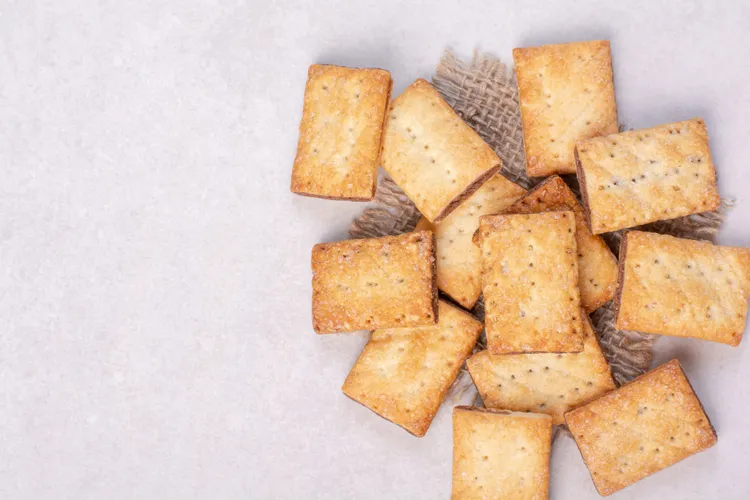
Crunchy foods engage more than just taste. They activate multiple senses at once - hearing, touch, sight, and even emotion. This multi-sensory experience is a big reason crunch feels so fulfilling.
Sound plays a surprisingly powerful role. The noise produced when you bite into something crunchy sends immediate feedback to the brain. Research shows that louder, sharper sounds are associated with freshness and quality. Your brain interprets crunch as a sign that food is safe, recently prepared, and worth eating.
Texture matters just as much. Crunch creates resistance, requiring effort from the jaw. This physical engagement slows eating slightly and increases awareness of the bite. Foods that require chewing give the brain more time to register satisfaction, which can make the eating experience feel more complete.
Crunch also signals freshness. Throughout human history, crisp textures were often linked to recently harvested plants and uncontaminated food. Soft or mushy textures, by contrast, could indicate spoilage. Even today, the brain carries this instinctive preference, associating crunch with safety and nourishment.
There’s an emotional component too. Crunchy foods often deliver a sense of release. The act of biting and breaking through texture can feel grounding, especially during moments of stress. This may explain why crunchy snacks are often chosen during anxious or overwhelming times.
Crunch enhances flavor perception as well. When food breaks apart sharply, it releases aromas more effectively. These aromas travel to the brain and intensify the perception of taste. This is why crunchy foods often seem more flavorful, even if the ingredients are simple.
Memory and association shape this experience. Many crunchy foods - toast, crackers, roasted vegetables - are linked to comfort or familiarity. When the brain recognizes these patterns, it amplifies pleasure through emotional recall.
Satiety is another factor. Crunchy foods often feel more filling because they require more chewing and attention. This increases oral sensory exposure, which helps the brain recognize fullness and satisfaction sooner.
Interestingly, crunch can also create a sense of control. The predictable sound and feel provide feedback that the brain can anticipate and enjoy. This reliability can be soothing, especially when other parts of life feel uncertain.
Not all crunch is the same. A light, airy crunch feels different from a dense, hearty one. These variations allow the brain to experience contrast, which keeps eating engaging and enjoyable.
Understanding why crunchy foods feel more satisfying encourages a gentler relationship with eating. Craving crunch isn’t about lack of discipline - it’s about sensory fulfillment. Including crunchy elements in meals can increase enjoyment without relying on excess sweetness or richness.
When food satisfies the senses, it satisfies the mind. Crunchy textures remind us that eating is not just nourishment - it’s a full sensory experience designed to be enjoyed, one bite at a time.
Latest