Why Gluten-Free Baking Feels Hard (and How to Fix It)
If gluten-free baking feels confusing, frustrating, or downright impossible, you’re not imagining it. Baking without gluten changes the rules completely, even for experienced home bakers. The good news is that once you understand why gluten-free baking feels hard, fixing it becomes far more manageable.
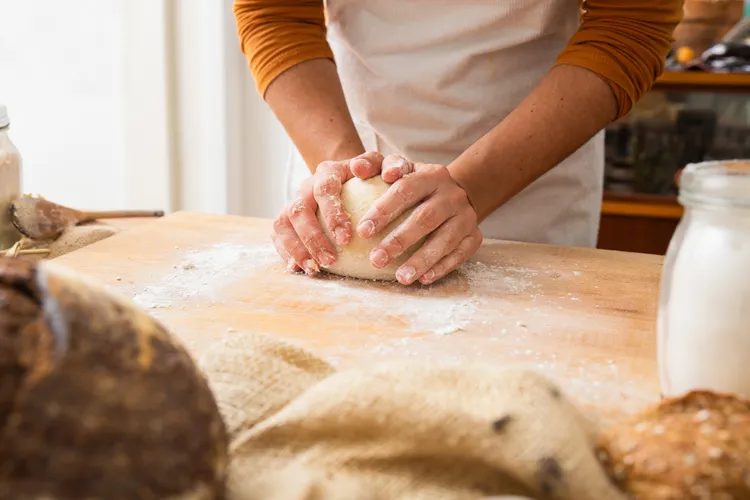
Gluten-free baking often comes with a steep learning curve, and many people give up before they ever get good results. Cakes turn out dense, bread feels gummy, cookies crumble, and recipes that promise “just like the real thing” rarely deliver. This frustration isn’t because gluten-free baking is inferior - it’s because it operates under an entirely different set of rules. Understanding those rules is the key to making gluten-free baking feel less like guesswork and more like a skill you can actually master.
The biggest reason gluten-free baking feels hard is that gluten does more work than most people realize. In traditional baking, gluten provides structure, elasticity, and strength all at once. It traps air, holds moisture, and gives baked goods their familiar chew. When gluten is removed, all of those jobs still need to be done, but now they’re handled by multiple ingredients instead of one. This shift alone explains why gluten-free baking requires more thought, more balance, and more precision.
Flour choice is another major source of confusion. Wheat flour is predictable and forgiving; gluten-free flours are not. Each gluten-free flour behaves differently, with its own absorption rate, flavor profile, and structural properties. Rice flour can be gritty, almond flour adds moisture but little structure, starches create chew but can cause gumminess, and whole-grain flours add stability but risk heaviness. Without understanding what each flour contributes, it’s easy to end up with baked goods that miss the mark.
Another reason gluten-free baking feels difficult is that many people expect one-to-one substitutions to work. Simply swapping wheat flour for a gluten-free alternative rarely succeeds, especially in breads and pastries. Gluten-free recipes must be built differently from the start, with adjustments to liquid, fat, leavening, and baking time. Once you let go of the idea that gluten-free baking should behave exactly like traditional baking, everything becomes easier.
Texture issues are one of the most common frustrations. Gluten-free baked goods are often described as crumbly, dense, dry, or gummy. These problems usually come from imbalance rather than poor technique. Too much starch creates gumminess, too little structure leads to crumbling, and insufficient hydration causes dryness. Fixing these issues starts with choosing balanced flour blends that combine structure-building flours with moderate amounts of starch and enough moisture to support them.
Hydration itself is a misunderstood concept in gluten-free baking. Gluten-free batters and doughs are typically wetter than wheat-based ones, which can feel wrong to experienced bakers. However, gluten-free flours absorb liquid more slowly and unevenly. A batter that looks thin at first may thicken as it rests, which is why resting time is so important. Skipping this step often leads to gritty textures and uneven baking.
Leavening also behaves differently without gluten. In wheat baking, gluten traps air naturally, helping baked goods rise and hold their shape. In gluten-free baking, leavening must work harder, and structure must already be in place to support that rise. This is why gluten-free recipes often rely on slightly higher amounts of baking powder or yeast and benefit from ingredients like eggs, which add stability.
Emotionally, gluten-free baking feels hard because failure is more common in the beginning. A failed loaf of bread or a batch of disappointing muffins can feel personal, especially when you’ve followed the recipe carefully. What helps is understanding that gluten-free baking is less intuitive at first but becomes far more predictable once you learn the patterns. Every “failure” usually points to a specific fix - more structure, less starch, better hydration, or longer baking time.
Another overlooked factor is unrealistic expectations. Gluten-free baking can produce incredible results, but it doesn’t always replicate traditional baked goods perfectly. Once you start aiming for “great gluten-free” instead of “indistinguishable from wheat,” satisfaction increases dramatically. Many gluten-free recipes shine in their own way, offering flavors and textures that are unique rather than imitative.
Fixing the difficulty of gluten-free baking comes down to a few core strategies. Use recipes designed specifically for gluten-free ingredients rather than adapting wheat-based ones. Learn the roles of your flours instead of treating them as interchangeable. Measure accurately, especially with flours and liquids. Allow batters to rest, and resist the urge to overbake in an attempt to fix texture problems.
With time and understanding, gluten-free baking stops feeling hard and starts feeling intentional. The frustration fades, replaced by confidence and consistency. Once you know why things behave the way they do, gluten-free baking becomes less about rules and more about rhythm - and that’s when it truly starts to feel rewarding.
Latest