Why Home Cooking Sometimes Feels Exhausting
Home cooking is often framed as wholesome, grounding, and rewarding - but sometimes it just feels draining. The exhaustion isn’t about laziness or lack of skill. It’s about invisible labor, constant decisions, and unrealistic expectations we rarely acknowledge.

Home cooking carries far more weight than the act of preparing food. It involves planning, shopping, budgeting, storing, cooking, cleaning, and doing it all again tomorrow. When these layers pile up, even people who enjoy cooking can feel burned out.
One of the biggest contributors to cooking exhaustion is decision fatigue. Deciding what to cook every day requires mental energy. The question “What’s for dinner?” seems simple, but answering it repeatedly drains cognitive resources. When you’re already managing work, family, and stress, this decision becomes overwhelming.
Time pressure intensifies this fatigue. Cooking often happens at the end of the day, when energy is lowest. Expectations remain high, even when resources are low. Trying to produce a “proper meal” under these conditions sets the stage for frustration.
Another overlooked factor is emotional labor. Cooking is tied to care, responsibility, and identity. For many people, feeding others feels loaded with expectations - to nourish, satisfy, and meet preferences. When meals don’t land perfectly, guilt can creep in, turning cooking into emotional work instead of nourishment.
Cleanup contributes significantly to exhaustion. Cooking doesn’t end when the meal is served. Dishes, counters, leftovers, and planning for the next meal extend the effort long after eating. This makes cooking feel endless rather than complete.
Perfectionism also plays a role. Social media and food culture often promote idealized home cooking - beautiful meals, endless variety, and constant creativity. Comparing real life to curated images makes everyday cooking feel inadequate, increasing burnout.
Lack of support magnifies the burden. When one person carries most of the responsibility, cooking becomes isolating. Without shared effort or appreciation, the task can feel thankless.
Another reason cooking feels exhausting is that it’s often expected to solve multiple problems at once. Meals are supposed to be nutritious, affordable, enjoyable, and culturally meaningful - all within limited time and energy. That’s a heavy load for any daily task.
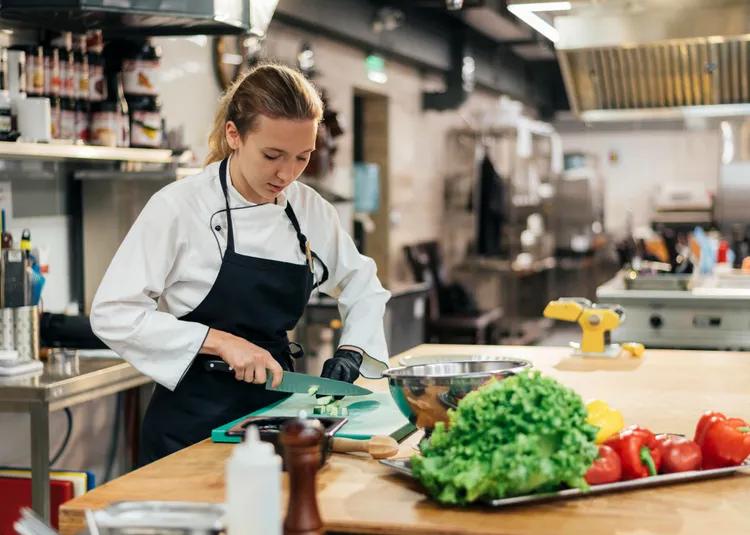
Physical fatigue matters too. Standing, chopping, lifting, and cleaning require energy. On days when the body is tired, cooking feels harder - not because of motivation, but because of capacity.
The key to easing cooking exhaustion isn’t doing more - it’s doing less with intention. Simplifying meals, repeating favorites, using convenience foods, and lowering expectations reduce cognitive and physical strain.
Redefining what counts as “cooking” also helps. Assembling food, reheating leftovers, or eating simple meals still counts as nourishment. Removing judgment restores sustainability.
Understanding why home cooking sometimes feels exhausting allows compassion to replace guilt. Cooking isn’t a moral obligation - it’s a practical task shaped by context, energy, and support.
When expectations align with reality, home cooking becomes lighter. Not effortless, but manageable. And in that space, feeding yourself can once again feel like care instead of a chore.
Latest