Why Some Recipes Always Fail (It’s Not You)
You follow the recipe exactly, yet something still goes wrong. The dish is flat, dry, gummy, or nothing like the photo promised. If this sounds familiar, here’s the truth: some recipes are flawed from the start, and it’s not you.

Recipe failure is often framed as a personal shortcoming. We blame our skills, our kitchen, or our attention span. But many recipes fail because they were never designed to succeed consistently in real home kitchens. Understanding this can be incredibly freeing - and empowering.
One of the most common issues is poorly tested recipes. Not all recipes are tested multiple times, across different kitchens, or with standard equipment. Some are tested once, under ideal conditions, and published anyway. Small inconsistencies - oven calibration, pan material, humidity - can dramatically affect outcomes when instructions aren’t flexible enough.
Assumed knowledge is another major problem. Many recipes skip critical details because the writer assumes the reader knows them. Instructions like “cook until done” or “mix gently” sound helpful but are vague. Without sensory cues - what it should look, smell, or feel like - home cooks are left guessing.
Ingredient variability is also a huge factor. Flour brands differ in protein content, absorption, and fineness. Butter has different water percentages. Eggs vary in size. When recipes rely on precise chemistry, especially in baking, these variations can derail results - even when you measure carefully.
Timing issues cause frequent failures. Cooking times are often presented as absolutes instead of ranges. A recipe that says “bake for 20 minutes” ignores oven differences and pan depth. Experienced cooks know to look for doneness cues, but many recipes fail to explain what those cues are.
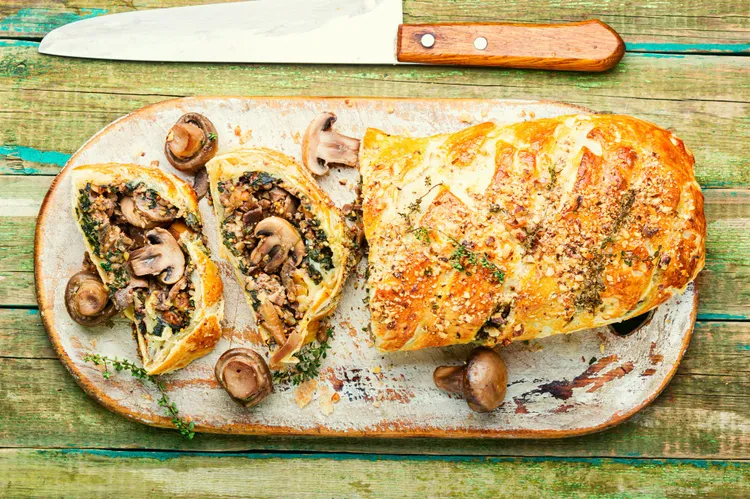
Photos can be misleading too. Food styling often involves techniques that aren’t practical for real cooking - undercooking, inedible coatings, or substitutions made purely for appearance. When the finished dish doesn’t match the image, frustration follows, even if the food is actually fine.
Another reason recipes fail is scaling problems. Recipes written for one environment don’t always translate when doubled, halved, or adapted. Changes in volume affect heat transfer, moisture evaporation, and texture. Without guidance, adjustments can unintentionally ruin balance.
Baking recipes are especially vulnerable because they depend on chemical reactions. A slight imbalance in fat, liquid, or leavening can lead to dense, gummy, or collapsed results. When recipes don’t account for gluten-free flours, humidity, or altitude, failure feels inevitable.
Equipment differences also matter more than most recipes acknowledge. A heavy pan behaves differently than a thin one. Stand mixers and hand mixers produce different results. Even bowl shape affects mixing efficiency. Recipes that don’t specify or adapt to these differences leave room for error.
Language itself can be a barrier. Words like “fold,” “cream,” or “room temperature” have specific meanings in cooking, but they’re often not explained. Without clarity, steps can be misinterpreted, leading to outcomes the recipe never intended.
Perhaps the most frustrating reason recipes fail is that many prioritize speed or simplicity over accuracy. Promises like “foolproof,” “one-bowl,” or “ready in 10 minutes” often mean shortcuts that compromise reliability. Convenience sells, but it doesn’t always cook well.
The most important thing to understand is this: a failed recipe is data, not a judgment. It reveals gaps in instruction, testing, or assumptions - not your ability. Skilled cooks fail recipes too; they just recognize when the problem isn’t them.
Learning to read recipes critically is a skill. Look for sensory cues, flexible timing, and clear explanations. Trust your instincts. Taste as you go. Adjust when needed. And most importantly, release the guilt.
When you stop blaming yourself, cooking becomes less stressful and more intuitive. You gain confidence not by succeeding every time, but by understanding why things sometimes don’t work. Because when a recipe fails, it’s often not a reflection of your skill - it’s a reminder that not all recipes deserve your trust.
Latest