Why Your Food Never Tastes Like the Restaurant’s
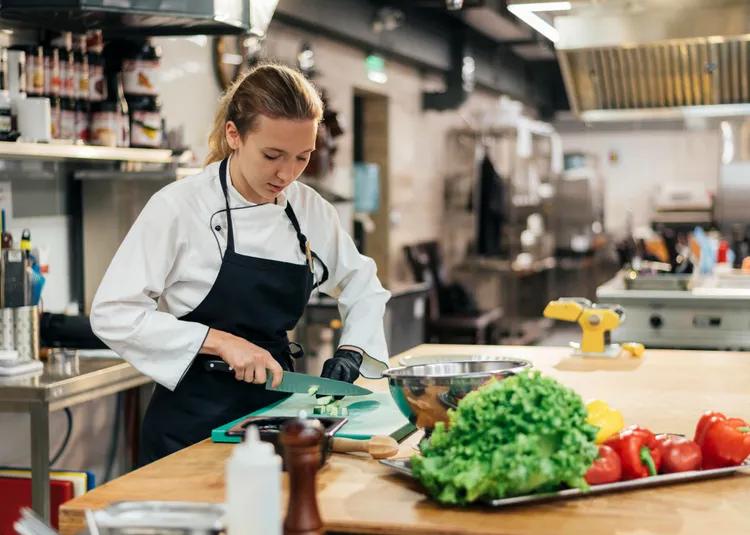
You follow the recipe, use good ingredients, and still… it doesn’t taste like the restaurant version. This isn’t your imagination or a lack of skill - it’s about how professional kitchens build flavor. Once you understand why restaurant food tastes different, home cooking suddenly makes a lot more sense.

Restaurant food has a reputation for being richer, more flavorful, and more satisfying than what we make at home. Even simple dishes - pasta, roasted vegetables, soup - somehow taste deeper and more complete when they come from a professional kitchen. The secret isn’t mystery ingredients or chef magic. It’s a combination of technique, timing, seasoning, and an unapologetic approach to flavor.
One of the biggest differences is salt. Restaurants use more of it, and they use it earlier. Salt doesn’t just make food salty - it enhances flavor, draws out moisture, and helps ingredients taste more like themselves. Chefs season in layers, adding salt at multiple stages of cooking instead of just at the end. This builds depth rather than surface-level flavor.
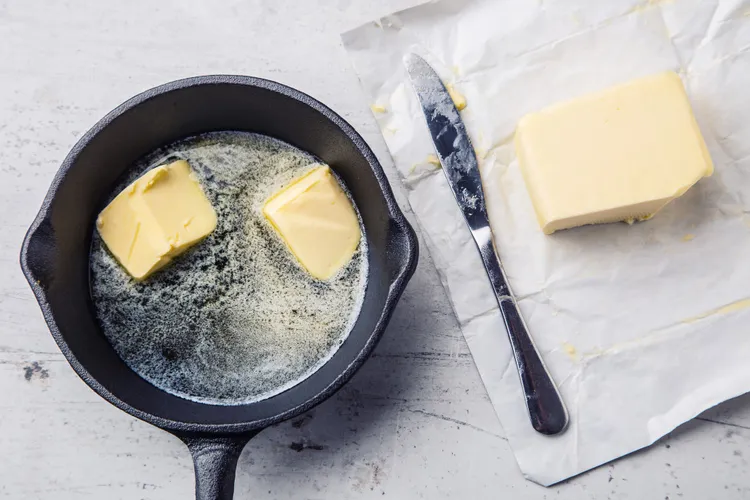
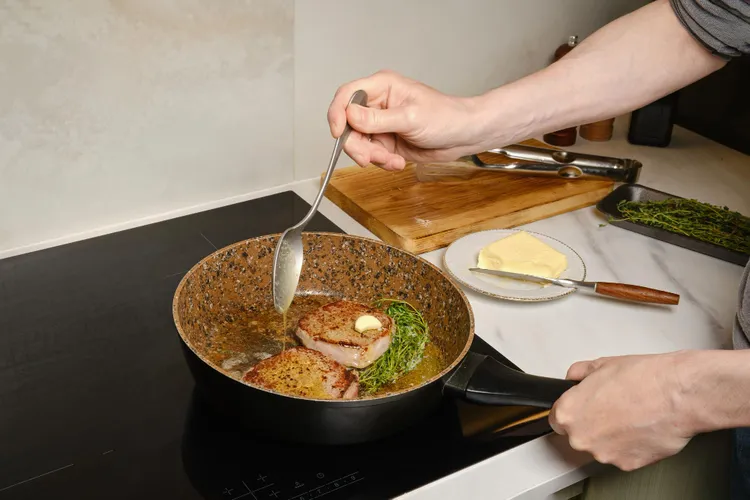
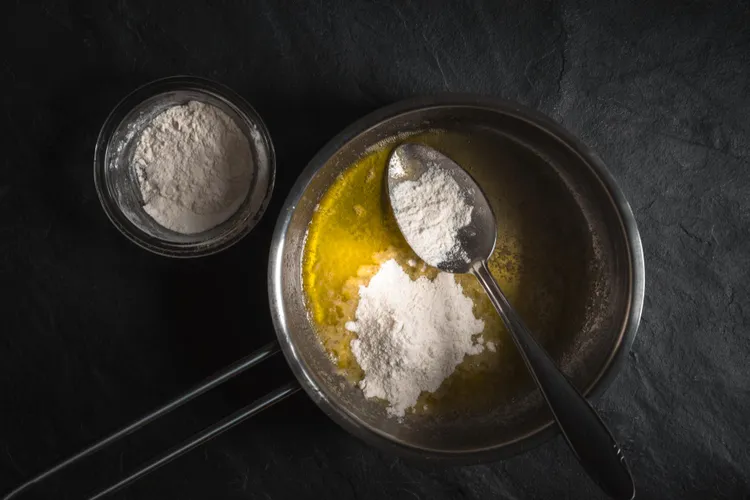
Fat is another major factor. Restaurants aren’t shy about butter, oil, cream, or rendered fats. Fat carries flavor, creates richness, and improves mouthfeel. A sauce finished with butter tastes smoother and more rounded because fat coats the palate, allowing flavors to linger. At home, we often cut back, which isn’t wrong - but it does change the final result.
Heat control also plays a huge role. Professional kitchens use high-powered burners and ovens that reach temperatures most home appliances can’t. High heat creates browning, caramelization, and the Maillard reaction - the chemical process responsible for savory, complex flavors. Without enough heat, food steams instead of sears, leading to flatter taste.
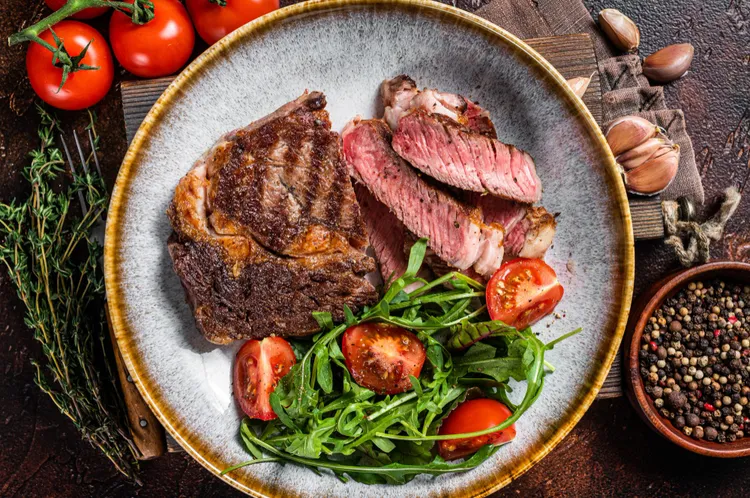
Timing is another overlooked difference. Restaurants cook food to order or prep components at their peak. Vegetables are blanched and shocked to preserve color and texture. Proteins rest properly after cooking. Sauces are finished just before serving. At home, multitasking and delays can dull flavors and textures before the food ever hits the plate.
Acidity is one of the most powerful tools chefs use - and one home cooks often forget. A squeeze of lemon, a splash of vinegar, or a spoonful of wine can completely transform a dish. Acid balances fat, brightens flavors, and wakes up the palate. Restaurant dishes often taste “complete” because acid has been added intentionally at the end.
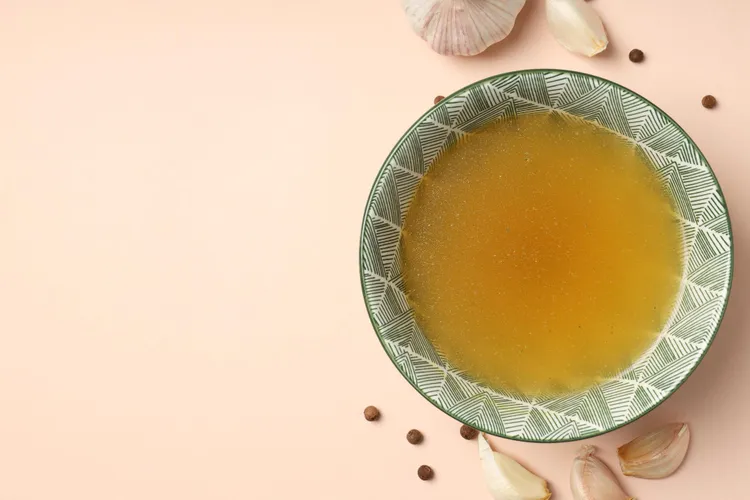
Restaurants also build flavor through stocks, reductions, and bases. Instead of water, chefs use broth. Sauces are simmered until concentrated. Even simple dishes rely on layers created earlier in the day. At home, shortcuts are common - and sometimes necessary - but they reduce complexity.
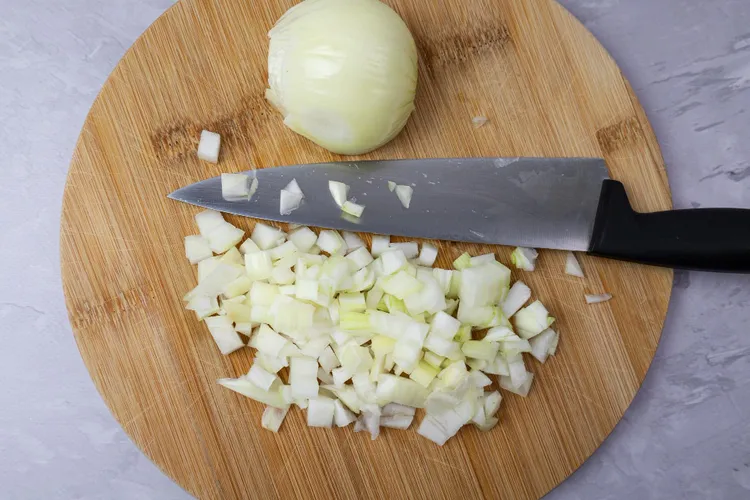
Another key difference is seasoning beyond salt. Restaurants use fresh herbs, spices, garlic, shallots, and aromatics generously. They toast spices, infuse oils, and layer herbs at different stages to preserve both depth and freshness. Home cooking often uses dried or minimal seasonings, which can limit impact.
Texture matters more than we realize. Chefs think about contrast - crispy with creamy, soft with crunchy. A garnish isn’t just decorative; it adds texture and freshness. When texture is flat, flavor feels flat too, even if the seasoning is correct.
Portion psychology also plays a role. Restaurant dishes are designed to be indulgent experiences. You’re usually eating them hot, plated intentionally, and without distraction. At home, eating while distracted or rushed can make food seem less satisfying, even if it’s technically well made.
Finally, confidence matters. Chefs trust fat, salt, heat, and time. Home cooks often hesitate, worried about doing something wrong. That hesitation shows up in the food. Cooking with intention - tasting, adjusting, finishing boldly - makes a noticeable difference.
Understanding why your food never tastes like the restaurant’s isn’t about copying unhealthy habits or turning your kitchen into a commercial operation. It’s about recognizing what creates flavor and choosing which elements matter most to you. When you season with confidence, use enough heat, and finish thoughtfully, your food may not taste exactly like a restaurant’s - but it will taste intentionally yours, and that’s where great home cooking truly begins.
Latest