Why Your Food Tastes Flat (And How to Fix It)
You followed the recipe, used good ingredients, and still… something’s missing. When food tastes flat, it’s rarely about one mistake - it’s usually about balance. Once you understand what creates flavor, fixing flat food becomes surprisingly simple.

Flat-tasting food is one of the most common frustrations in home cooking. The dish isn’t terrible, but it isn’t satisfying either. It lacks depth, brightness, or that “something” that makes you want another bite. The good news is that flat flavor is almost always fixable - and often with what you already have.
The most common reason food tastes flat is under-seasoning, especially with salt. Salt doesn’t just make food salty - it amplifies natural flavors. Without enough salt, ingredients taste muted and dull. Many home cooks add salt only at the end, which seasons the surface but not the dish as a whole. Flavor builds best when salt is added gradually throughout cooking.
Another major cause of flat flavor is missing acid. Acid is what makes food taste lively. Lemon juice, vinegar, tomatoes, yogurt, or wine balance richness and wake up the palate. Without acid, dishes can taste heavy or one-dimensional. A small splash at the end often transforms a meal instantly.
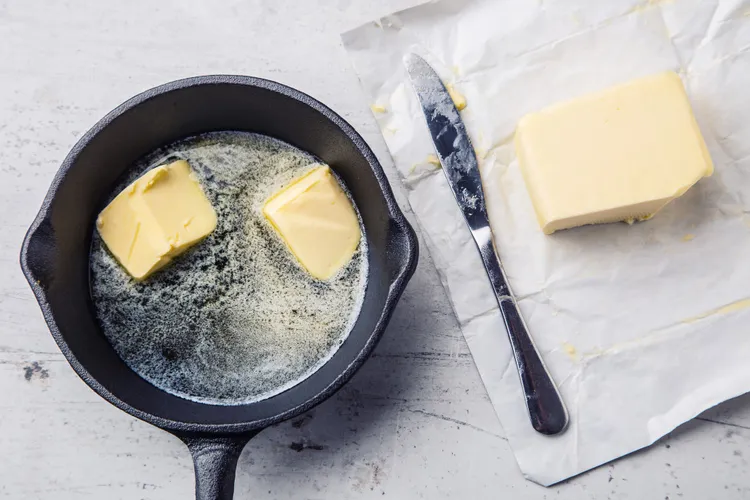
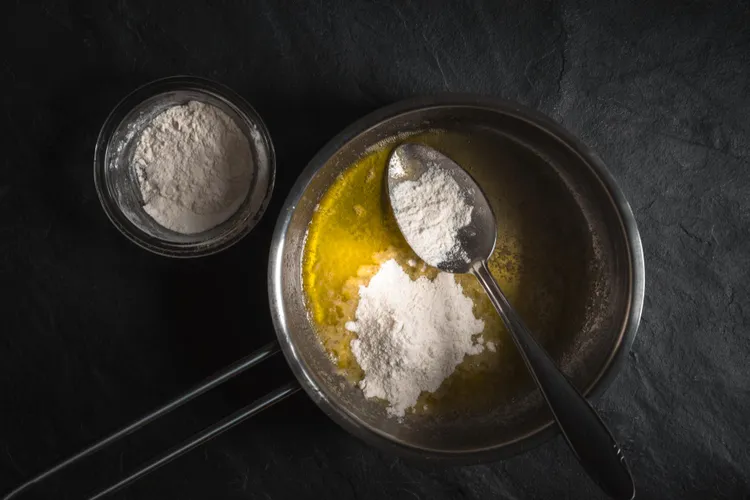
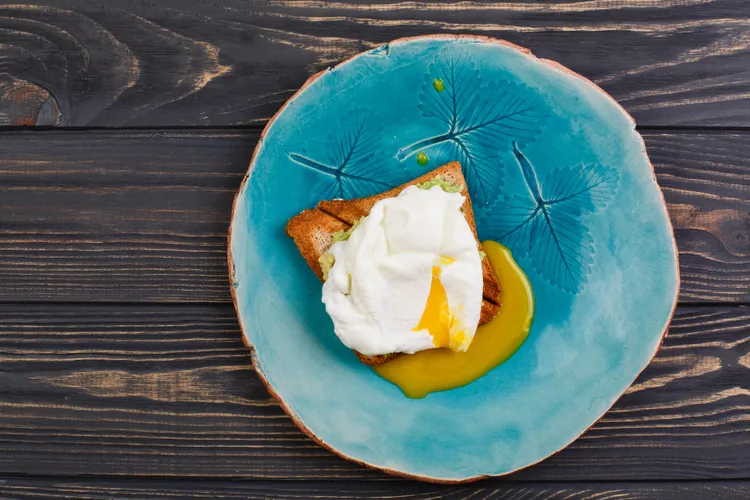
Fat plays a key role too. Fat carries flavor and gives food a satisfying mouthfeel. When dishes are too lean, flavors don’t linger. Butter, olive oil, cream, cheese, nuts, or avocado help flavors bloom. Even a drizzle at the end can make a noticeable difference.
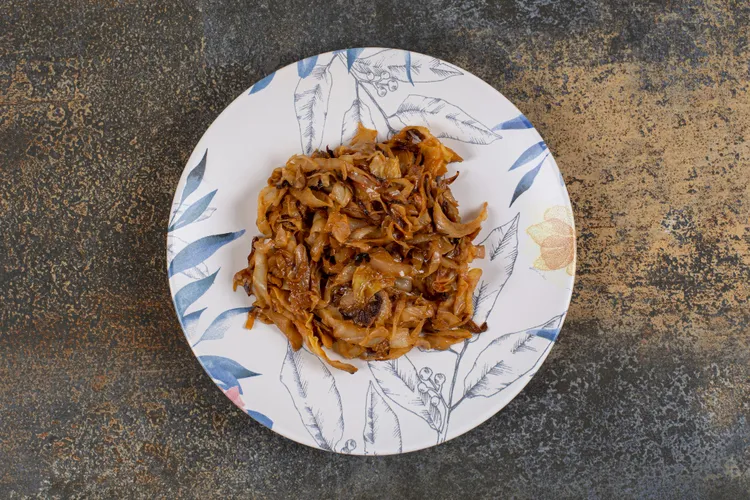
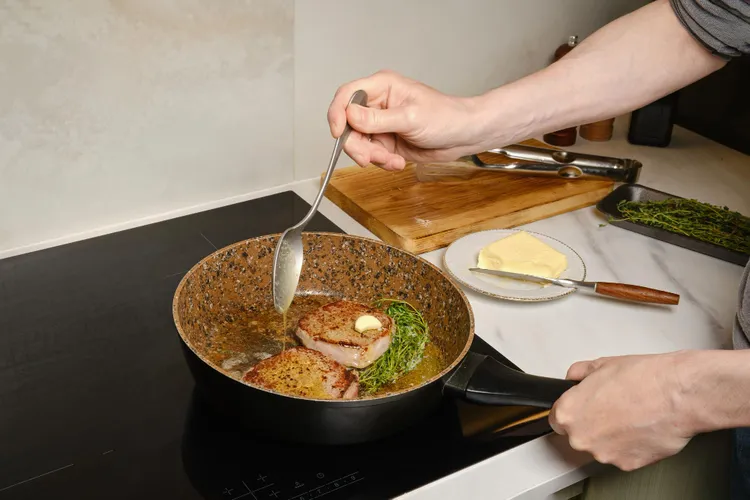
Heat and browning are often overlooked. If food isn’t cooked hot enough, it steams instead of browns. Browning creates complex, savory flavors through caramelization and the Maillard reaction. Crowded pans, low heat, or constant stirring prevent this process, resulting in bland food no amount of seasoning can fix.
Timing also matters. Adding all ingredients at once flattens flavor. Aromatics like garlic and onions need time to develop sweetness. Spices often benefit from being bloomed in fat. Herbs added too early lose their brightness. Understanding when to add ingredients creates layers instead of muddle.
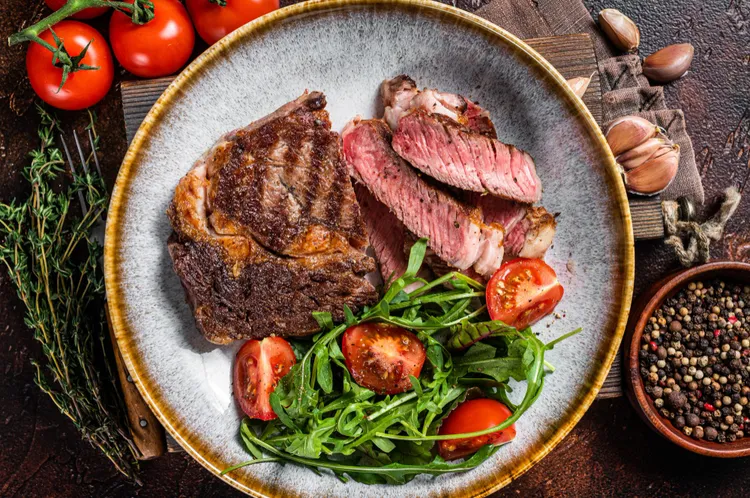
Texture contributes more to flavor perception than we realize. A dish with only soft textures often feels bland. Crunch, creaminess, or contrast keeps the palate engaged. Garnishes aren’t just decorative - they add freshness and balance.
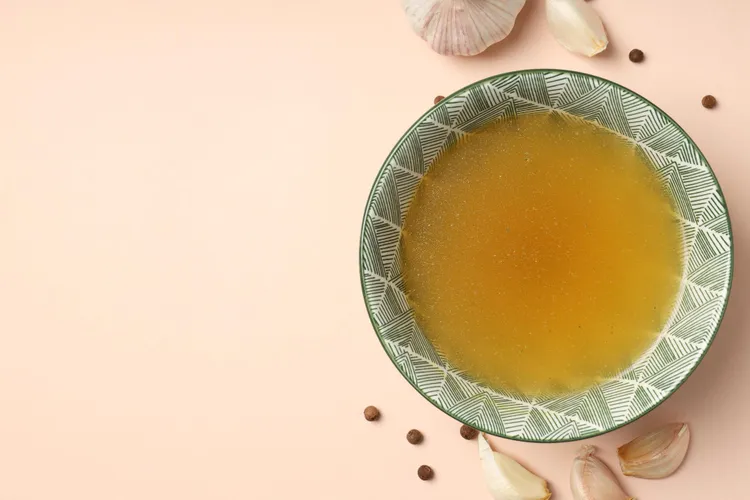
Another reason food tastes flat is dilution. Too much liquid, under-reduced sauces, or watery vegetables can weaken flavor. Allowing sauces to reduce concentrates taste. Draining excess moisture or roasting instead of boiling can dramatically improve depth.
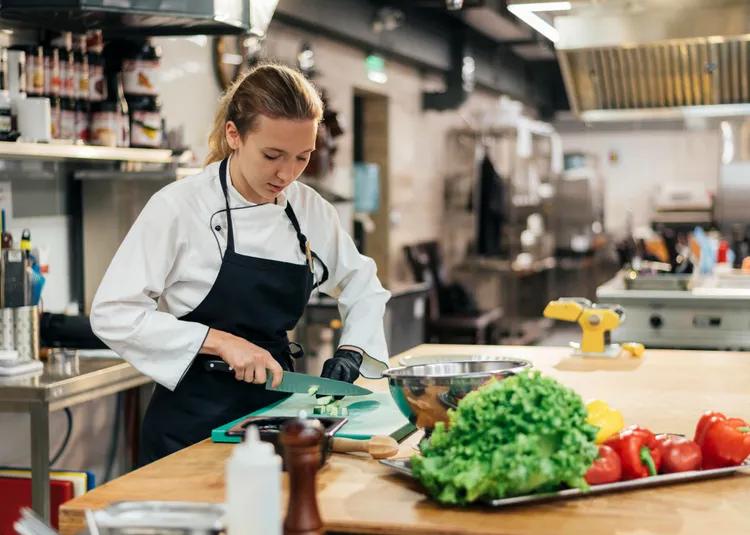
Seasoning blindly is another pitfall. Tasting as you cook is essential. Palates vary, ingredients differ, and recipes can’t account for everything. Tasting allows you to adjust salt, acid, or fat in real time instead of hoping it works out.
Even temperature affects flavor. Food served too cold tastes muted. Allowing dishes to reach the right serving temperature helps flavors open up fully.
Fixing flat food isn’t about adding more ingredients - it’s about balance. Salt, fat, acid, heat, and timing work together. When one is missing, the dish feels incomplete.
Once you start thinking in terms of balance instead of recipes, cooking becomes intuitive. You stop wondering why food tastes flat and start knowing how to fix it. Flavor isn’t magic - it’s understanding. And with a few small adjustments, even simple meals can taste deeply satisfying.
Latest