How to Perfectly Sear Anything - Meat, Fish, Veggies, Even Tofu
A perfect sear is one of the most transformative techniques in cooking. It creates deep flavor, irresistible aroma, beautiful color, and restaurant-quality texture - all without complicated ingredients or fancy equipment. Whether you’re cooking steaks, chicken, pork, fish, scallops, vegetables, or tofu, mastering the sear instantly elevates your meals. This in-depth guide will teach you exactly how to get that golden-brown crust every time, what pans to use, the science behind searing, and step-by-step methods for every ingredient.

What Is Searing and Why Does It Matter?
Searing is the process of browning the surface of food at high heat, creating a flavorful crust through the Maillard reaction - a chemical process between amino acids and natural sugars.
A good sear does four important things:
-
Builds deep, complex flavor
-
Adds visual appeal (golden-brown crust = delicious)
-
Creates a contrast between crispy outside and tender inside
-
Works with almost any ingredient
Contrary to myth, searing does not “seal in juices,” but it does improve texture and flavor so dramatically that it’s non-negotiable for great cooking.
The 7 Universal Rules for Perfect Searing
No matter what you’re cooking, these rules always apply.
1. Use the Right Pan
The pan matters - a lot.
Best pans for searing:
-
Cast iron (top choice): retains heat, creates the best crust
-
Stainless steel: reliable for high heat and browning
-
Carbon steel: similar to cast iron but lighter
Avoid:
-
Nonstick pans (they can’t handle high heat and won’t brown as well)
2. Pat the Food Completely Dry
Moisture is the enemy of browning.
Before searing:
-
Use paper towels to dry the surface
-
For meat or fish, let rest uncovered in the fridge for 30-60 minutes to air-dry
-
Press tofu gently with towels to remove water
Dry food = better crust.
3. Preheat the Pan Properly (This Is Essential!)
A hot pan is the foundation of a perfect sear.
Test for readiness:
-
Add a drop of water - it should skitter and dance on the surface
-
Or hover your hand over the pan and feel strong heat waves
Proper preheating prevents sticking and instantly starts the browning reaction.
4. Use the Right Fat - and Enough of It
Choose oils with high smoke points:
-
Avocado oil
-
Grapeseed oil
-
Peanut oil
-
Canola oil
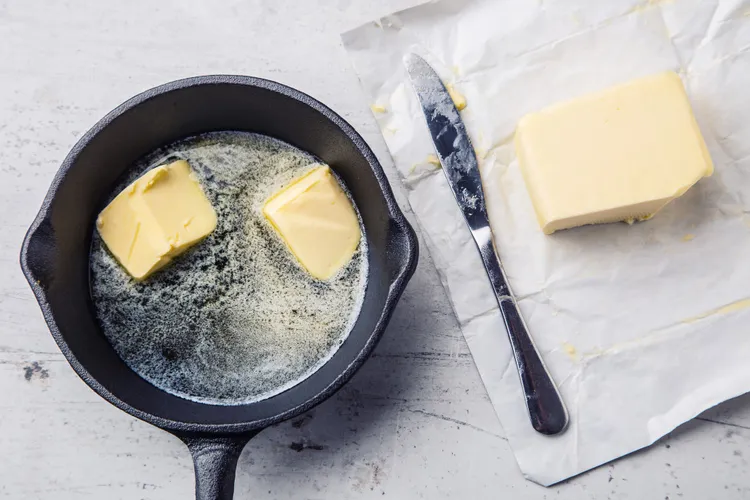
Avoid butter for the initial sear (it burns!), but feel free to add it in the last 30-60 seconds for flavor.
Use enough oil to lightly coat the bottom of the pan - no puddles, no dry spots.
5. Don’t Overcrowd the Pan
Crowding traps steam, which prevents browning.
Sear in batches if necessary - it’s worth the extra few minutes.
6. Resist the Urge to Move the Food
Once the food hits the pan, leave it alone.
It will:
-
Develop a crust
-
Naturally release from the pan when ready to flip
-
Brown evenly
If it’s sticking, it’s not ready. Give it another minute.
7. Finish at the Right Temperature
Some foods cook through during searing. Others need additional cooking.
General guideline:
-
Thin cuts (shrimp, scallops, thin steaks): sear = fully cooked
-
Thick cuts (chicken breast, pork chops, thick steak): sear then finish in oven or lower heat
-
Veggies/tofu: usually finish in the pan
How to Perfectly Sear Different Foods
Below you’ll find detailed, step-by-step instructions for every major category:
How to Sear Steak Perfectly
1. Prep
-
Remove steak from fridge → rest 20-30 minutes
-
Pat very dry
-
Season generously with salt and pepper
2. Sear
-
Preheat cast iron pan until smoking hot
-
Add a thin film of oil
-
Lay the steak away from you
-
Sear 3-5 minutes per side, depending on thickness
3. Finish
-
For thicker cuts: transfer pan to a 400°F (204°C) oven until desired doneness
-
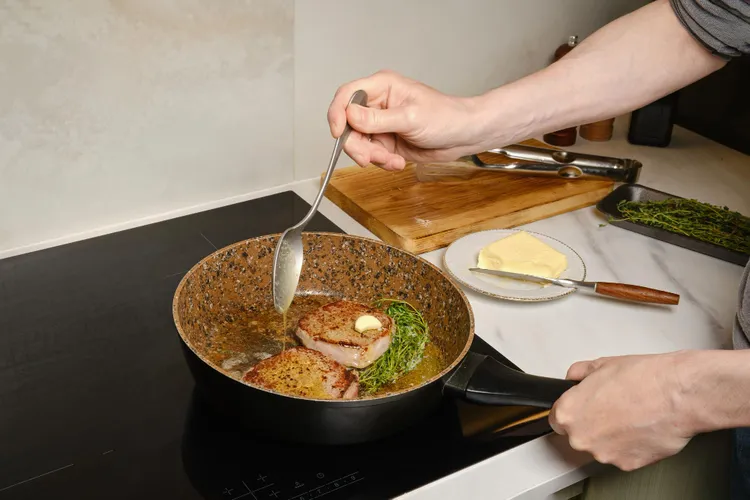
Add butter, garlic, and herbs at the end for flavor
4. Rest
Let the steak rest 5-10 minutes before slicing.
How to Sear Chicken
For Chicken Breasts:
-
Pound to even thickness
-
Pat dry
-
Sear 5-6 minutes per side
-
Finish in oven until internal temp reaches 165°F (74°C)
For Chicken Thighs:
-
Sear skin side down 7-10 minutes (until skin is crisp)
-
Flip and cook 3-5 minutes more
-
Finish in oven if needed
How to Sear Pork Chops
Steps:
-
Dry thoroughly
-
Season
-
Sear 3-4 minutes per side
-
Add butter and herbs
-
Finish in oven to 145°F (63°C) internal temperature
Rest 5 minutes before serving.
How to Sear Fish (Salmon, Cod, Seabass, Etc.)
Fish needs gentle but high heat and a bit more care.
1. Prep
-
Dry the fillets carefully
-
Keep skin ON if possible (protects the delicate flesh)
-
Season simply
2. Sear
-
Heat oil until shimmering
-
Lay fish in pan skin side down
-
Press lightly for the first 20-30 seconds to prevent curling
-
Cook 4-6 minutes
-
Flip for 30-90 seconds
Key Tip: Don’t flip early - the skin must crisp before releasing.
How to Sear Scallops
Scallops are one of the easiest foods to sear beautifully.
Steps:
-
Remove the tough side muscle
-
Dry thoroughly (super important!)
-
Heat pan until very hot
-
Add oil
-
Sear 1.5-2 minutes per side
-
Don’t move them until a crust forms
You’ll get that iconic golden-brown restaurant-style surface.
How to Sear Vegetables
Almost any vegetable becomes amazing with a good sear.
Best veggies to sear:
-
Mushrooms
-
Zucchini
-
Eggplant
-
Bell peppers
-
Asparagus
-
Brussels sprouts (halved)
-
Cauliflower steaks
Steps:
-
Cut into evenly sized pieces
-
Dry surface
-
Heat oil
-
Sear without moving 2–5 minutes per side
Veggies caramelize quickly - don’t overcook.
How to Sear Tofu
Tofu becomes crispy and golden when seared properly.
Steps:
-
Press tofu 15-30 minutes to remove water
-
Cut into slabs or cubes
-
Dry extremely well
-
Heat oil in pan
-
Add tofu and do not touch for 3-5 minutes
-
Flip and repeat
For best results: use extra-firm tofu and cast iron.
Pro Tips for Next-Level Searing
✔ Salt early or right before cooking
Salting 30-60 minutes in advance helps dry the surface.
If you can’t wait that long, salt immediately before cooking - but not in between.
✔ Don’t flip repeatedly
One flip = best crust.
✔ Use aromatics at the end
Garlic, butter, and herbs burn at high heat - add them once the crust is formed.
✔ Know your heat
Searing = high heat
Finishing = medium to low heat or oven
✔ Don’t fear smoke
A little smoke is normal - turn on the fan, open a window, and let the pan work.
Common Searing Mistakes to Avoid
- Putting wet food in the pan
- Using cold meat/fish directly from fridge
- Flipping too early
- Using the wrong oil
- Overcrowding the pan
- Not preheating the pan
- Using nonstick when you need high heat
Fix these, and your searing will instantly improve.
With a hot pan, dry food, the right oil, and patience, you can sear meat, fish, veggies, and tofu like a seasoned chef. Searing is simple but transformative - and once you master it, every dish tastes better.
FAQs
Does searing seal in juices?
No - that’s a myth. But it does add flavor and texture.
Can you sear with butter alone?
No. Butter burns too fast. Use oil first, add butter later.
Do I need cast iron?
It’s ideal, but stainless steel also works great.
Is searing healthy?
Yes - it uses minimal oil and maximizes flavor.