Stop Throwing Away the Parmesan Rind
Every time you finish a wedge of Parmesan and throw away the rind, you're discarding one of the most potent, zero-effort flavour boosters in your kitchen. Italian cooks have known this for centuries. Here's exactly what it does, why it works, and every dish that becomes noticeably better with one in the pot.
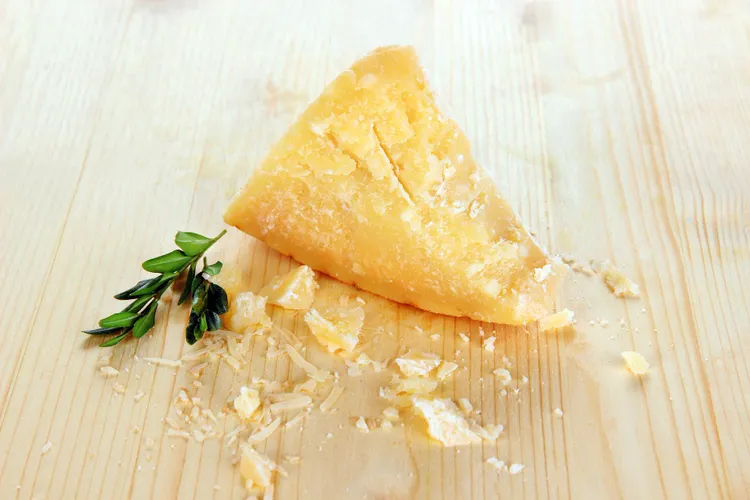
There's a moment in many Italian home kitchens - and plenty of professional ones - where the cook finishes grating a wedge of Parmigiano-Reggiano and, instead of dropping the hard rind in the bin, drops it into whatever is simmering on the stove. No fanfare. No measuring. Just a piece of something that cost nothing added to something that becomes better because of it.
If you've never done this, you've been leaving free flavour on the table for years. The rind isn't a weaker version of the cheese - it's a slow-release flavour concentrate that does something in a pot of soup that grated Parmesan sprinkled on top can never replicate. Understanding why is the first step to making it a permanent habit.
A Parmesan rind simmered in soup, stew, or sauce slowly releases glutamates - the amino acids responsible for umami - into the liquid, building deep, savoury depth that can't be achieved by surface-sprinkling the cheese. The rind's dense, dehydrated proteins break down gradually under heat, infusing the dish with a rounded, savoury richness that makes everything taste more complete.
It works in any dish where liquid is simmered for 20 minutes or more. It adds no discernible "cheese" flavour - only depth. And it costs absolutely nothing if you buy Parmesan regularly.
Why This Works:
The rind of a Parmigiano-Reggiano wheel forms during ageing - typically 12 to 36 months - as the outer layer of the cheese dries, hardens, and concentrates. It is essentially the same cheese as the interior, but with far lower moisture content and a much higher concentration of proteins and fats per unit of volume.
As the cheese ages, proteins break down into free amino acids through a process called proteolysis. The most flavourfully significant of these is glutamate - the amino acid that triggers umami receptors and produces the characteristic sensation of depth, roundness, and lingering savouriness. Aged Parmigiano-Reggiano contains among the highest concentrations of free glutamate of any naturally occurring food - over 1,200mg per 100g.
The rind holds all of this. When you simmer a rind for 30-40 minutes, you're extracting decades' worth of flavour development into whatever is in the pot.
Why This Is Different from Grating on Top
Grating Parmesan over a finished dish adds flavour at the surface - you taste it immediately as the cheese hits your tongue. Simmering a rind adds flavour throughout the liquid - every ingredient in the dish absorbs it, every mouthful carries it. One is a garnish. The other is a foundation. They serve different purposes and neither replaces the other.
"The rind doesn't make the soup taste of cheese. It makes the soup taste more completely of itself - richer, rounder, more finished."
What Most People Get Wrong
| Myth | Fact |
|---|---|
| The rind is just inedible wax coating with no flavour value. | Authentic Parmigiano-Reggiano rinds are not wax - they are the same cheese as the interior, dried at the surface. Fully edible and packed with the same glutamates that make the cheese flavourful. (Cheaper Parmesan-style cheeses may use wax coating - these should not be used.) |
| Adding a rind will make the dish taste cheesy or overwhelmingly of Parmesan. | A simmered rind adds no identifiable "cheese" flavour. The volatile aromatic compounds are driven off by heat. What remains is pure savoury depth - umami without identity. |
| You need a lot of rind to make a difference. | One rind - even a small one - is enough for a standard pot serving four to six. The concentration of glutamates is high enough that a single piece simmered for 30 minutes makes a perceptible difference. |
| You have to scrape or clean the rind before using it. | No preparation needed. Drop it straight into the pot. If you prefer, a quick brush under warm water is sufficient, but it makes no practical difference to the outcome. |
Where to Use It: Every Dish That Benefits
Any dish with liquid that simmers for 20 minutes or more can benefit from a Parmesan rind.
Classic Uses
- Minestrone & Vegetable Soup - The original use. Drop one rind in with the first liquid and simmer the whole time. Transforms a pleasant vegetable soup into something with real body and depth.
- Tomato Sauce - Add alongside your soffritto when you add the tomatoes. The result: a tomato sauce with rounded, savoury depth that even a good passata alone can't deliver.
- Bean Soups & Stews - Borlotti, cannellini, lentil, chickpea - all benefit enormously. Bean dishes are particularly good receptors because they simmer long enough for maximum extraction.
Less Obvious Uses
- Risotto Stock - Add a rind to the stock you use for risotto, not to the risotto itself. Simmer for 30 minutes before you begin. The ladle-by-ladle addition of this enriched stock builds depth that no amount of grated cheese at the end can replicate.
- Braised Meat & Ragù - A rind added to a slow-cooked ragù, short rib braise, or osso buco enriches the braising liquid. Particularly powerful in pork-based braises.
- Polenta & Grains - Add a rind to the water used to cook polenta, farro, or barley. The grain absorbs the flavoured liquid during cooking, seasoning it from the inside out.
Surprising Uses
- Pasta Cooking Water - Drop a rind into the pasta water before it boils. The water picks up umami compounds, and when you use that starchy water to finish your pasta sauce, it carries more flavour than plain pasta water would.
- Served as a Chewy Treat - After simmering for 45 minutes or more, the rind becomes completely soft, chewy, and deeply savoury. Some Italian cooks leave it in the bowl as a treat. It has a texture similar to very firm mochi and an intensely savoury, almost meaty flavour.
How to Store Parmesan Rinds
The freezer bag method - the habit that costs nothing
Keep a zip-lock bag or small container in the freezer. Every time you finish a wedge of Parmesan and reach the rind, add it to the bag. Rinds freeze perfectly - the already-low moisture content means there's almost no quality change. After a month of regular Parmesan use, you'll have a supply that lasts indefinitely.
Frozen rinds can go straight into a pot from the freezer - no thawing needed. A frozen rind takes slightly longer to soften completely, but releases its flavour just as effectively.
How long do they last?
- In the fridge: 2-3 weeks, wrapped in parchment or beeswax paper.
- In the freezer: 6-12 months without any meaningful quality loss.
Not All Rinds Are the Same This technique works specifically with aged hard cheeses whose rinds are formed from the cheese itself - not applied wax or plastic coatings.
- Parmigiano-Reggiano - gold standard
- Grana Padano - works nearly as well, often less expensive
- Pecorino Romano - works but adds a more distinctive sheep's milk flavour; better for lamb dishes and Roman pasta sauces than neutral soups
- Aged Manchego - has a coated exterior that should be scraped before use
When in doubt: taste a small piece raw. If it tastes of cheese, it will add flavour. If it tastes of nothing or plastic, discard it.
Practical Cooking Tips: Getting the Most From the Rind
Add it early, remove it before serving
Add the rind at the same time as the cooking liquid - not halfway through. The longer it simmers, the more it releases. 30 minutes is the minimum for a meaningful contribution; 60 minutes is ideal for soups and stews. Always remove before serving, unless you want to offer the softened rind as an edible garnish.
Score or cut it to increase surface area
If you have a thick rind, score it in a crosshatch pattern or cut it into two or three pieces before dropping it in. More surface area means faster, more complete extraction - particularly useful for shorter cooking times.
Pair it with other umami sources for synergy
Combining different glutamate sources doesn't just add their effects - it multiplies them. A rind plus a handful of dried mushrooms plus a splash of soy sauce or fish sauce creates synergistic depth dramatically greater than any ingredient alone. In a minestrone or bean soup, this combination produces a result that will genuinely surprise anyone who tastes it.
Why Italian Kitchens Never Waste the Rind
In the farmhouse cooking tradition of Emilia-Romagna - the region where Parmigiano-Reggiano is produced - throwing away the rind would be considered almost incomprehensible. Every part of an expensive, carefully produced ingredient is used. The rind goes in the soup. The leftover pasta water seasons the next dish. Nothing with flavour is discarded.
This isn't nostalgia or frugality for its own sake - it's the practical recognition that flavour costs money, and that a rind that took two years of ageing to develop its character is worth more than a few seconds of inconvenience to save and use.
The broader lesson: almost every expensive, intensively produced ingredient has a secondary component with concentrated flavour that home cooks routinely discard. Prawn shells. Chicken carcasses. Corn cobs. Herb stems. The part you almost throw away is often the most flavourful thing in the package.
A single wheel of authentic Parmigiano-Reggiano weighs approximately 40kg and takes 550 litres of milk to produce. It ages for a minimum of 12 months - and up to 36 months or more for the finest examples. Each wheel is individually inspected and stamped by the Consorzio del Formaggio Parmigiano-Reggiano before sale. The rind of this wheel - the part most home cooks throw away - contains more free glutamate per gram than the interior. Kilo for kilo, it may be the most flavourful thing you're currently putting in your kitchen bin.
The Parmesan rind is one of those rare kitchen discoveries that genuinely changes how you cook - not because it requires learning a new technique, but because it requires unlearning a throwaway habit. Drop it in the pot. Simmer with everything else. Remove before serving. That's it.
The flavour it adds is not dramatic or identifiable. You won't taste cheese in your minestrone. You'll taste a minestrone that seems better than usual in a way you can't quite explain - until now.
Start a freezer bag today. Future you will use every single piece.
Key Takeaways
- Parmesan rind is not wax - it's the same cheese as the interior, concentrated by ageing. Authentic Parmigiano-Reggiano and Grana Padano rinds are fully edible and flavourful.
- Simmering a rind slowly releases glutamates into the surrounding liquid, building deep umami depth throughout the entire dish - not just at the surface like grated cheese does.
- A simmered rind adds no identifiable "cheese" flavour - only savoury depth. The aromatic compounds are driven off by heat; the glutamates remain.
- One rind is enough for a standard pot. Add it at the start with the cooking liquid; simmer for 30-60 minutes; remove before serving.
- Works in: soups, bean stews, tomato sauce, ragù, braises, risotto stock, polenta water, and pasta cooking water.
- Store rinds in a freezer bag as you accumulate them. They freeze perfectly and go straight into the pot from frozen with no thawing needed.
- After long simmering (45+ minutes) the rind becomes soft and chewy - completely edible, with an intensely savoury flavour that some cooks serve as a treat in the bowl.
- Combine with other glutamate-rich ingredients (dried mushrooms, soy sauce, miso) for synergistic depth that multiplies rather than merely adds.