Why Every Great Cook Keeps Anchovies in the Kitchen
Most people who say they hate anchovies have eaten them dissolved invisibly into dishes they love. Anchovies are not a pizza topping - they are a flavour amplifier, a background presence that makes everything around them taste more deeply of itself. Understanding this one ingredient will change how you approach almost every savoury dish you cook.
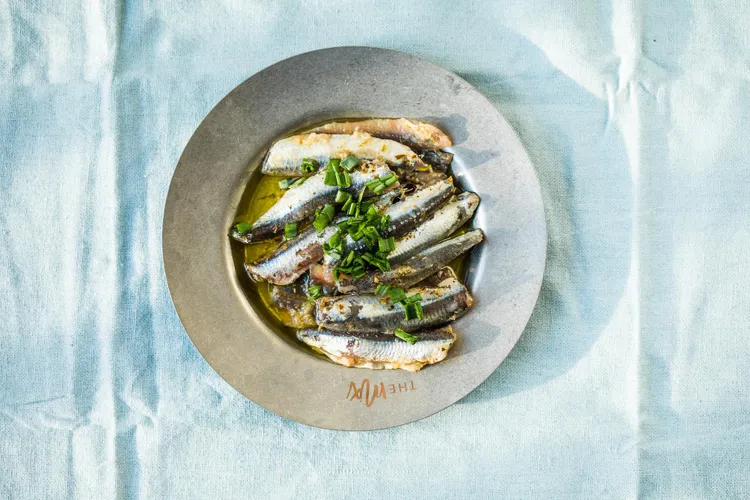
Here's a test worth trying. Make a simple tomato sauce or a lamb stew twice - once as you normally would, and once with two or three anchovy fillets melted into the oil at the very beginning, before any other ingredient touches the pan. Ask someone to taste both without telling them what you've done. Almost nobody identifies the anchovy. Almost everybody prefers the version that has it.
This is what makes anchovies one of the most misunderstood and most underused ingredients in the home kitchen. The moment the fillet hits hot fat, it begins dissolving - within 60 to 90 seconds it has disappeared completely, leaving no trace of fish, no trace of salt, no trace of anything identifiable. What it leaves is a depth and roundness to everything cooked in that oil that you absolutely cannot fake with any other single ingredient.
Anchovies are one of the richest natural sources of glutamate - the amino acid that triggers umami, the fifth basic taste. When dissolved into hot fat or simmered in a sauce, they release these glutamates invisibly into the dish, amplifying every other flavour around them. The anchovy itself disappears. The effect stays.
The rule for cooking with anchovies: if you can taste anchovy in the finished dish, you used too many, added them too late, or didn't give them enough heat to fully dissolve. Used correctly, they leave no taste of fish - only a profound, inexplicable depth that makes people ask what you did differently.
The Chemistry of Dissolution
Anchovies are preserved by a combination of salt and fermentation. The salting and curing process is not just preservation - it is flavour transformation. Over weeks to months of curing, fish proteins break down through enzymatic activity into free amino acids, the most significant of which is glutamate.
Glutamate is the primary trigger for umami - the fifth taste that produces depth, savouriness, and lingering satisfaction. Cured anchovies contain approximately 630mg of free glutamate per 100g, placing them alongside Parmesan, soy sauce, and miso as one of the most glutamate-dense foods available to a cook.
What Happens When They Hit Hot Oil
When anchovy fillets meet hot fat in a pan, the proteins denature and break apart, fat-soluble flavour compounds disperse into the oil, water evaporates with a characteristic sizzle, and the glutamates dissolve instantly into the surrounding fat. Within 60 to 90 seconds of gentle pressing and stirring, the fillets have ceased to exist as identifiable pieces of fish. They have become part of the cooking medium itself.
Why the Fishiness Disappears
The briny, intensely fishy smell of an anchovy straight from the tin is caused by volatile compounds - trimethylamine, various aldehydes - that are highly sensitive to heat. These compounds evaporate almost entirely within the first minute of cooking. What remains are the stable, non-volatile glutamates that don't smell of anything in particular but taste profoundly of everything savoury.
"You're not adding fish to a dish. You're adding a flavour catalyst that makes every other ingredient perform at its best."
What Most People Get Wrong
| Myth | Fact |
|---|---|
| Anchovies will make everything taste fishy. | The volatile compounds that create fishiness are driven off by heat within 60-90 seconds. Properly dissolved, anchovies leave zero identifiable fish flavour - only umami depth. |
| Anchovies are only for Mediterranean or Italian cooking. | Anchovies work in any cuisine that benefits from savoury depth: British stews, French braises, Thai curries, Mexican mole, American barbecue sauces. The flavour they provide is universal. |
| You need a lot of anchovies to make a difference. | Two to four fillets is sufficient for most dishes serving four to six people. More than six risks detectable fishiness even with full dissolution. |
| Anchovy paste is the same as fillets and can be used interchangeably. | Anchovy paste is more intensely salty and less complex than good quality fillets. For dishes where the anchovy is doing serious work, whole fillets - particularly oil-packed or salt-packed - produce significantly better results. |
Anchovy Types: What to Buy and When
Oil-Packed Fillets - Everyday Use The most accessible and versatile form. Ready to use straight from the tin. Good quality oil-packed anchovies in olive oil dissolve quickly in heat and work across all cooked applications. Quality varies enormously - look for amber-coloured fillets with visible texture.
Salt-Packed Whole - Best Quality Sold in glass jars, preserved in coarse salt. Superior flavour depth - firmer texture, more complex curing. Require rinsing and filleting before use (split along the spine, lift the two fillets, rinse under cold water). Worth the effort for dishes where anchovy is doing significant flavour work.
Anchovy Paste - Convenience Only Pre-mashed, in a tube. More intensely salty, less complex flavour. Good for quick seasoning adjustments and dressings. Not recommended when anchovy is the primary flavour builder in a dish.
Where to Use Them: The Complete Playbook
As a Foundation
- Soffritto Base - The most powerful application. Add 2-3 fillets to the oil before the onion. Let them dissolve completely over medium heat, stirring, until no visible pieces remain. Everything cooked in that oil carries their depth. Works in any ragù, bolognese, tomato sauce, bean stew, or braise.
- Braised & Slow-Cooked Meat - Add fillets to the fat before browning any meat. Lamb shoulder, short ribs, chicken thighs, pork belly - all benefit enormously. The anchovy's glutamates amplify the meat's own savoury compounds, producing a braise that tastes like it's been cooking twice as long.
- Roasted Vegetables - Mash 2-3 fillets into olive oil before tossing with vegetables. Broccoli, cauliflower, Brussels sprouts, aubergine, and courgette all take on savoury, almost meaty depth. Particularly effective with bitter vegetables.
In Sauces
- Pan Sauces & Gravies - After searing meat, add a fillet or two to the sauce as it reduces. They dissolve almost instantly, rounding out flavour and adding body.
- Caesar Dressing - The original Caesar dressing uses anchovies as the structural umami base. Mash 2-4 fillets to a paste with garlic and incorporate into the emulsion. Without them, a Caesar tastes pleasant; with them, it tastes right.
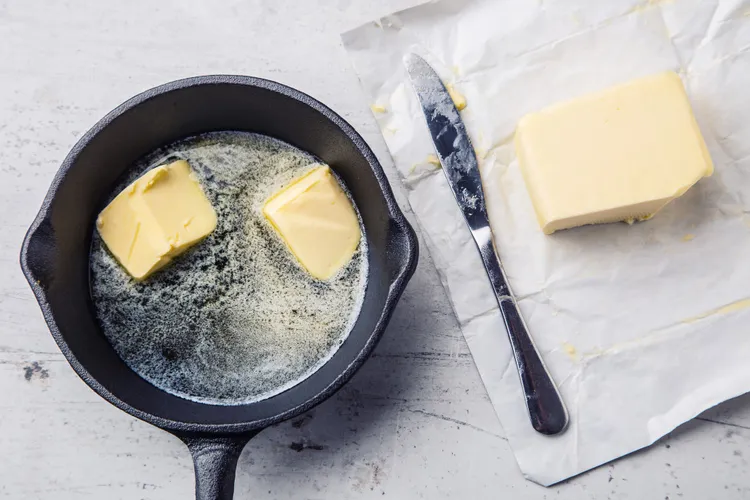
- Butter Compounds - Mash 4-6 fillets into softened butter with herbs, garlic, and lemon. Roll in clingfilm and freeze. Slice a disc over grilled steak, roasted fish, or steamed vegetables as a finishing element.
Uncooked
- Salad Dressings & Vinaigrettes - Mash to a paste and whisk into any vinaigrette. Adds body and rounds the sharp edges of acid. Works particularly well in dressings for bitter greens.
- Pizza & Flatbreads - The most visible use - and the one that gives anchovies their unfair reputation. On pizza, anchovy is used as a topping at full intensity. For the same depth without confrontation, cook them into the sauce instead.
Unexpected
- Marinades for Meat - Mash 2-3 fillets into a marinade for lamb, beef, or pork. The glutamates penetrate the meat during marinating, seasoning from the inside out. The fish flavour cooks off completely. The result is a piece of meat that tastes more intensely of meat - not fish.
The Anchovy Substitution for Vegetarian & Vegan Cooking
For dishes where anchovy's umami role is critical but fish is off the table:
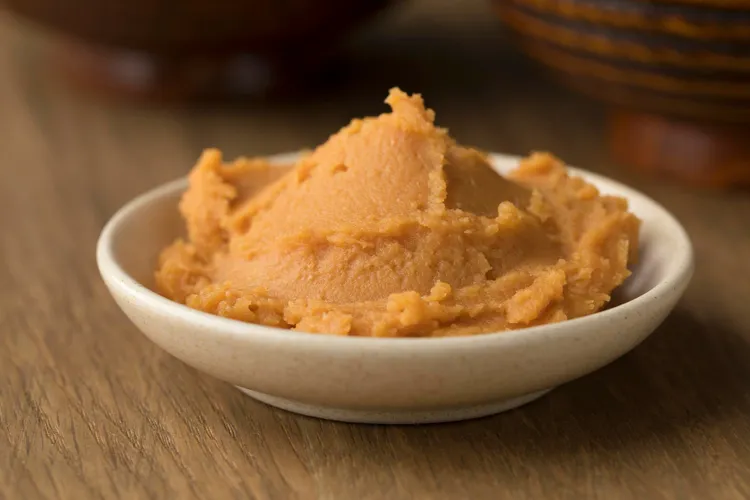
- A tablespoon of white miso - similar glutamate concentration, adds depth without fishiness
- A teaspoon of soy sauce or tamari - slightly thinner flavour profile but immediate and effective
- Sun-dried tomatoes - exceptionally high in glutamate for a plant-based ingredient; dissolve into sauces almost as effectively
Note: Worcestershire sauce actually contains anchovies - check labels if strictly avoiding.
How to Use Them Correctly
Always melt them - never add cold to a finished dish
The transformation that makes anchovies useful as a secret ingredient only happens with heat. A fillet added cold to a salad dressing or pasta at the last moment remains identifiably fishy. The same fillet dissolved into hot oil five minutes earlier has disappeared entirely. Application determines whether you're adding anchovy flavour or anchovy depth.
Mash them before they fully dissolve for faster results
Use the back of a wooden spoon to press and smear fillets against the pan as they heat. This dramatically increases surface area and accelerates dissolution. A whole fillet takes 90 seconds to dissolve; a mashed fillet takes 30.
Pair them with fat for maximum effect
Anchovy's glutamates are water-soluble, but its flavour compounds are also fat-soluble - they distribute through oil and butter more effectively than through water. Dissolving in fat first, then adding water-based ingredients, gives maximum distribution throughout the dish.
Balance salt accordingly
Both oil-packed and salt-packed anchovies carry significant sodium. When using anchovies as a cooking ingredient, reduce or eliminate any additional salt until after tasting. Two fillets in a dish serving four typically contribute enough salt to season lightly.
The Ingredient Professional Cooks Never Announce
In professional kitchens, anchovies occupy the same quiet category as Parmesan rind and fish sauce: ingredients that are never mentioned on the menu but are present in many of the dishes that get the most compliments.
The professional understanding: certain ingredients don't contribute their own flavour to a dish so much as they elevate the flavour of everything else. Anchovies are among the most powerful of these. They're used not to make food taste of anchovy but to make food taste more completely of what it already is.
A specific technique worth stealing: anchovy butter under chicken skin. Mash 4-6 fillets into softened butter with garlic and thyme. Push under the skin of a whole chicken or chicken thighs before roasting. As the chicken cooks, the butter melts and bastes the flesh from within. No one will taste fish. Everyone will ask why your roast chicken tastes better than anyone else's.
The Romans were so devoted to anchovy-based fermented fish sauce - called garum - that they built an entire trade empire around it. Garum factories operated across the Mediterranean from Spain to Turkey, and the sauce was shipped in amphorae to every corner of the Roman world. It was used the way soy sauce is used in East Asian cooking: as a universal savoury seasoning in everything from stews to bread. When Rome fell, garum fell with it - and European cooking spent the next thousand years trying to recover that savoury depth through other means. The closest modern equivalent is fish sauce, which is essentially garum by a different name. The anchovy's history in European kitchens is at least two thousand years old.
Anchovies are not a divisive topping or a bold flavour statement. Used correctly - dissolved into heat at the beginning of cooking - they are invisible flavour infrastructure that makes everything in the pot taste more savoury, more complete, and more satisfying. They don't add a new flavour. They amplify every flavour that's already there.
The cook who learns to reach for two anchovy fillets at the start of a bolognese, a braise, or a roasted vegetable dish will spend the rest of their cooking life wondering how something so small made such a consistent difference. And almost no one they cook for will ever be able to tell them why the food tastes so good.
That's exactly the point.
In Short
- Anchovies are one of the richest natural sources of glutamate - approximately 630mg per 100g - placing them alongside Parmesan and miso as one of the most umami-dense foods available.
- When dissolved in hot fat, the volatile compounds that cause fishiness evaporate within 60-90 seconds. What remains are stable glutamates that add invisible savoury depth.
- Used correctly, anchovies leave zero identifiable fish flavour. If you can taste anchovy in a finished cooked dish, you used too many or didn't give them enough heat.
- Two to four fillets is enough for a dish serving four to six people - more risks detectable fishiness even with proper cooking.
- The most powerful application: dissolve fillets in the oil before any other ingredient touches the pan. Everything cooked in that oil absorbs the depth.
- Salt-packed whole anchovies have superior flavour; oil-packed fillets are more convenient for everyday use; anchovy paste is a reasonable backup for cooked applications only.
- Works far beyond Italian cooking: lamb braises, roast chicken, marinades, salad dressings, compound butters, and any slow-cooked meat benefit from anchovy depth.
- The Roman fish sauce garum was essentially the same ingredient used as a universal seasoning across the entire ancient world. The anchovy's role in European cooking is at least two thousand years old.