Your Soup Is Too Salty. Here's How to Actually Fix It.
You taste the soup, and your heart sinks. Too salty - and dinner is 20 minutes away. Before you pour it down the drain or add water and ruin everything else about it, there are real options. Some fixes work remarkably well. Some are internet myths that change nothing. Here's what the food science says, ranked honestly.
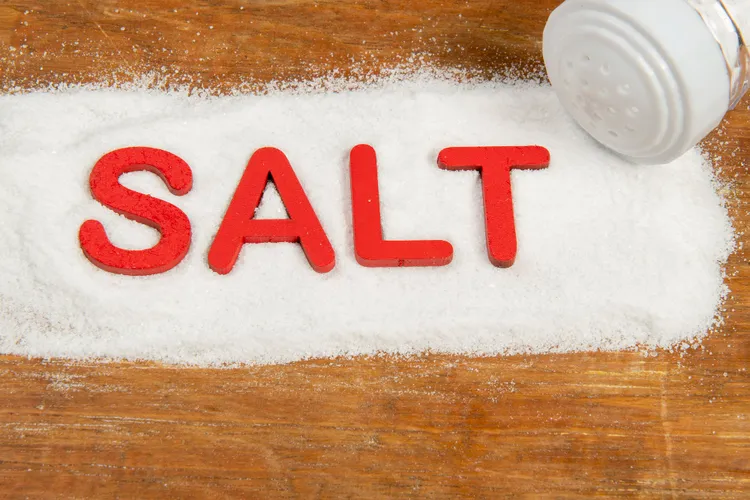
Oversalting is one of the most common cooking mistakes - and one of the most anxiety-inducing, because it feels irreversible. Salt doesn't cook off. It doesn't evaporate. Once it's dissolved into a liquid, it's in every molecule of that liquid, and no amount of simmering will reduce it.
That's the bad news. The good news: there are several approaches that genuinely work, and understanding why they work helps you choose the right one for how salty your soup actually is. The key distinction is between fixes that remove salt (very few things do this) versus fixes that dilute it, mask it, or rebalance the overall flavour. Most effective remedies fall into the latter two categories - and that's fine, because the goal is a soup that tastes good, not a soup with a lower sodium reading.
The most effective fixes for oversalted soup are: diluting with unsalted liquid or more ingredients, adding starchy elements that absorb and mellow saltiness, or rebalancing flavour with acid or fat so the salt becomes less prominent. Salt cannot be chemically removed from a liquid without removing the liquid itself.
The raw potato trick - one of the most widely cited fixes - does not work as described. A potato absorbs liquid (including salt solution), but the concentration of salt in what remains is unchanged. It takes away some soup; it doesn't fix the soup that stays.
Why This Happens: Understanding Salt in Liquid
When salt dissolves in water, it dissociates into sodium and chloride ions distributed evenly throughout the liquid. There's no way to fish it out, skim it off, or neutralise it chemically.
The only ways to make a soup less salty are:
- Reduce the concentration - add more unsalted liquid or ingredients to dilute the ratio of salt to everything else.
- Mask the perception - add acid, fat, or sweetness to make the saltiness less prominent to your palate.
- Remove some of the liquid - and replace it with unsalted liquid. (This is the only technically correct version of the "potato trick.")
"Salt doesn't evaporate, neutralise, or disappear. But perception of saltiness can be shifted. That's where the real fixes live."
What Most People Get Wrong
| Myth | Fact |
|---|---|
| A raw potato dropped in the soup will absorb the excess salt. | A potato absorbs salty liquid - but the salt concentration in the remaining soup is unchanged. It removes soup, not salt. Replace the absorbed liquid with unsalted stock for this to actually help. |
| Adding sugar directly counteracts salt and fixes overseasoning. | Sugar doesn't neutralise salt chemically. A small amount can reduce the perception of saltiness, but enough to make a real difference requires enough sugar to make the soup taste sweet. |
| Just keep simmering and the salt will mellow out. | Simmering without adding liquid concentrates salt further as water evaporates. A soup reduced to half its volume is twice as salty - the opposite of a fix. |
| Bread soaked in soup will absorb the salt. | Bread absorbs salty liquid - just like the potato. The salt concentration in the remaining liquid stays the same. |
9 Ways to Fix Oversalted Soup - Ranked by Effectiveness
1. Add More Unsalted Liquid ✅ Most Effective
The only fix that genuinely reduces salt concentration: adding unsalted stock, water, or milk dilutes the ratio of dissolved salt to liquid. The soup will taste less seasoned overall, so you may need to rebuild other flavours - extra oil, more aromatics, herbs - but the saltiness will be measurably lower. Start with 20-25% more liquid and taste before adding more.
2. Add More Unsalted Ingredients ✅ Most Effective
Adding more vegetables, beans, grains, noodles, or meat achieves the same dilution as adding liquid - and has the bonus of building more flavour and body simultaneously. Extra potato, courgette, lentils, tinned white beans, or rice all absorb salt into their mass as they cook, effectively reducing the concentration in the liquid. This is the most practical fix for a soup already full of solids.
3. Add Acid ✅ Works Well
A squeeze of lemon juice, a splash of white wine vinegar, or a spoonful of tomato paste can noticeably reduce the perception of saltiness without reducing actual salt content. Acid competes with salt on your palate - sourness occupies some of the same sensory attention that saltiness would otherwise dominate. Start with half a teaspoon at a time. Works best when the soup is moderately over-salted, not severely.
4. Add Fat or Cream ✅ Works Well
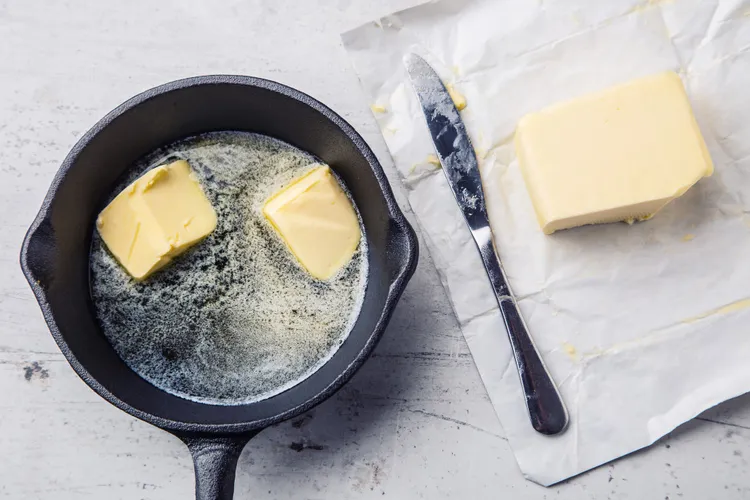
A swirl of cream, coconut milk, crème fraîche, or a knob of butter coats the palate and softens the immediate impact of saltiness. Fat physically reduces how quickly salt ions reach your taste receptors, making the same concentration feel less harsh. Works well for creamy-style soups; does little for a clear broth that's become brine.
5. Add a Starchy Element ✅ Works Well
Potatoes, pasta, rice, or barley added to the soup absorb salt-laden liquid into their mass as they cook - and when you eat them, the starch delivers mellow, starchy flavour alongside the salty broth, buffering the overall perception. The liquid remains as salty as before, but the overall eating experience is more balanced. Particularly effective in thick or chunky soups.
6. Ladle Out Some Soup and Replace with Unsalted Liquid ✅ Works Well
This is the technically correct version of the "potato trick." Remove a ladleful or two of the oversalted soup and replace with the same volume of unsalted stock or water. You're physically removing dissolved salt and replacing the volume with unsalted liquid - a genuine reduction in concentration. The more you remove and replace, the greater the effect, but the soup also loses some existing flavour depth.
7. Add a Touch of Sweetness ⚠️ Use Carefully
A small amount of sugar, honey, or grated carrot can reduce the perception of saltiness by engaging sweet receptors alongside salt receptors. The goal is not to make the soup noticeably sweet, but to add just enough background sweetness to round the edges. A quarter teaspoon of sugar in a large pot is often enough. More than that and you've traded one problem for another.
8. Turn It Into a Different Dish ⚠️ Emergency Option
If the soup is too salty to serve as soup but you don't have enough stock to dilute adequately, consider pivoting. Use it as a cooking liquid for grains - rice, farro, polenta - which will absorb the salt and produce a well-seasoned side dish. Or reduce it intentionally into a concentrated sauce or glaze for meat. The salt that ruins a soup can season an entire pot of rice perfectly.
9. Serve with Unsalted Accompaniments ⚠️ Last Resort
Serve alongside something starchy and unsalted - plain bread, unsalted crackers, plain boiled rice. The accompaniments don't fix the soup, but they dilute the salt in each mouthful and make the overall meal more balanced. Not elegant, but effective when dinner guests are already at the table.
How Salty Is Too Salty? Know Your Severity First
The right fix depends on how far over the line you've gone:
- Slightly over-salted (you notice it but it's borderline): acid, fat, or a touch of sweetness may be enough.
- Moderately over-salted (clearly too salty but edible): add more unsalted ingredients or dilute with stock.
- Severely over-salted (basically unpleasant): you need to dilute aggressively - double the recipe if you have ingredients, or ladle out and replace repeatedly. No flavour masking trick will rescue something seriously over-seasoned.
Practical Cooking Tips: Prevention Is the Real Fix
Season at the end, not the beginning
Hold back most of your seasoning until the soup is nearly finished. Salt added at the start of a long simmer gets concentrated as liquid reduces - a soup that tasted right at 30 minutes can taste aggressively salty at 60 minutes if it's reduced by a third. Add a little early for building flavour, then taste and adjust at the very end.
Account for salty ingredients before you add salt
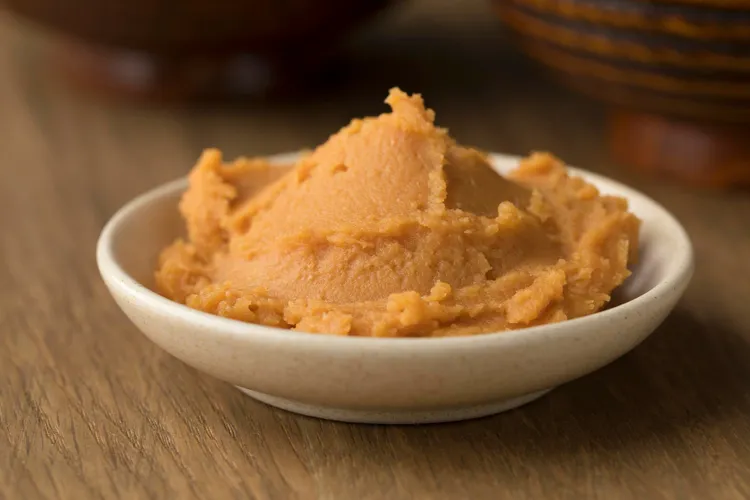
Stock - especially shop-bought - is already significantly salted. Pancetta, bacon, miso, soy sauce, Worcestershire sauce, Parmesan rind, and canned ingredients all carry sodium. Before reaching for the salt, consider everything salty already in the pot. Many soups need no added salt at all once a good stock and savoury ingredients are combined.
Use unsalted stock as your base
Unsalted or low-sodium stock gives you complete control. You can always add salt - you can't take it out. A soup built on unsalted stock and seasoned entirely to your own taste will always be more controllable than one built on salted stock.
Taste as you go with a clean palate
The palate adapts to repeated salt exposure - if you taste too frequently, you become temporarily desensitised and underestimate how salty the soup has become. Taste meaningfully, with a clean palate, rather than constantly sipping.
Why Professional Kitchens Rarely Oversalt
In a professional kitchen, oversalting is treated as a serious and avoidable error. Restaurant kitchens use unsalted or lightly salted base stocks, season in layers as the dish develops, and taste constantly with a trained palate that anticipates how concentration during reduction will amplify every earlier seasoning decision.
The professional mindset: salt is added progressively and deliberately, not dumped in at a single moment. Each ladle of stock, each salty ingredient, each reduction that concentrates what's already there - all of these are seasoning decisions, even when they don't feel like ones.
The most useful habit a home cook can adopt: taste your stock before you use it. Know how salty your starting liquid is. Everything else is built on that foundation.
The human tongue can detect saltiness at concentrations as low as 0.1% - roughly one gram of salt per litre of water. Seawater is about 3.5% salt, which is why it's overwhelmingly salty and undrinkable. Well-seasoned soup typically sits around 0.5-0.8% salt by weight. The difference between "perfectly seasoned" and "too salty" is often less than half a gram per bowl - which is why seasoning in small increments and tasting between each addition is the only reliable approach.
Oversalted soup is rescuable in most cases - but only if you understand what your fix is actually doing. Dilution works because it lowers the concentration of dissolved salt. Acid, fat, and sweetness work because they shift how your palate perceives the same concentration. Most myths (raw potato, bread, prolonged simmering) fail because they either remove soup without improving it, or do nothing to the salt at all.
The best fix for oversalted soup is still the one you make before dinner: season lightly, taste often, and build on unsalted stock. But when it does go wrong - and it will, eventually, for every cook - at least now you know exactly what to reach for, and why.
Key Takeaways
- Salt dissolved in liquid cannot be neutralised or removed - the only real fixes are dilution (lower the concentration) or perception management (make the saltiness less noticeable).
- The raw potato trick does not reduce salt concentration - it removes salty liquid, leaving the remaining soup just as salty.
- Simmering without adding liquid makes oversalted soup worse - water evaporates and concentrates the salt further.
- The most effective fixes: add more unsalted liquid or ingredients, or ladle out salty soup and replace with unsalted stock.
- Acid (lemon juice, vinegar) and fat (cream, butter) reduce perceived saltiness on the palate - effective for mild to moderate oversalting.
- Starchy elements (potatoes, rice, pasta) absorb salt into their mass and buffer each mouthful, making the eating experience less salty.
- Severely oversalted soup is best repurposed - as a cooking liquid for grains, a concentrated sauce, or a seasoning component.
- Prevention is the real fix: use unsalted stock, season progressively in small amounts, and account for every salty ingredient already in the pot.