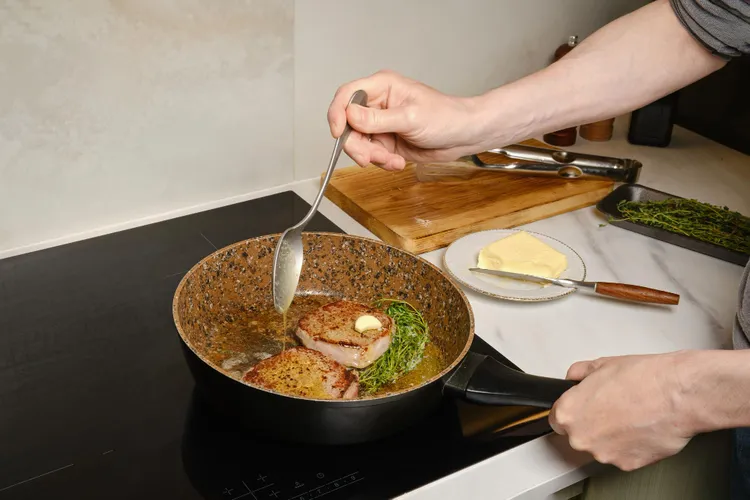
How to Use One Ingredient Three Different Ways
Cooking is full of tiny revelations, and one of the most magical is realizing that a single ingredient can behave like three entirely different foods depending on how you treat it. The art of transforming one thing into many is at the heart of creativity in the kitchen - it saves money, reduces waste, and opens up a world of flavor possibilities you might never have expected. When you learn to look at ingredients not as fixed objects, but as raw potential, your everyday cooking becomes more flexible, more intuitive, and infinitely more interesting.
Imagine choosing one ingredient - say, a humble cauliflower, a bunch of fresh herbs, or a simple lemon - and allowing it to reveal its full personality. Each ingredient has textures, aromas, and quirks waiting to be unlocked through heat, pressure, slicing, seasoning, or pairing. The same cauliflower that roasts into caramelized florets can also become a silky purée or a grain-like base for salads. That lemon you squeeze into tea can be zested into perfume-like brightness or preserved into something boldly salty and complex. Suddenly, the kitchen feels less like a place of routine and more like a place of possibility.
At the heart of using one ingredient three different ways is the idea of technique. Technique is what stretches an ingredient into new forms - heat softens, slicing changes structure, blending reimagines texture, and seasoning alters personality. Take tomatoes, for example. Raw tomatoes have a juicy brightness perfect for salads or bruschetta. Roast them slowly, and their water evaporates while their sugars concentrate, turning them into something deeply sweet and almost jammy. Blend those roasted tomatoes with herbs and oil, and you get a rich sauce that behaves nothing like the original fruit. It’s the same tomato, but each treatment lets it shine in a different emotional register.
Herbs are another great example of how an ingredient can take on multiple lives. A handful of fresh basil can be torn raw into a salad, where it tastes bright, floral, and peppery. The same basil becomes velvety and rich when blended into a traditional pesto, especially when combined with the fat of olive oil and the nutty weight of cheese. But let basil steep in hot water or simmer in broth, and it turns gentle and aromatic, lending warmth rather than punch. One ingredient, three expressions - each unlocking a different mood on the plate.
Sometimes the transformations are dramatic. A chicken, for instance, can be roasted for crisp golden skin and succulent meat. That same chicken, shredded, becomes something completely new in tacos or sandwiches. Then, use the bones to create a broth, and you’ve stepped into a third variation that tastes comforting, restorative, and entirely different from the first two. Learning to see ingredients as multi-use assets means nothing is wasted and everything is appreciated.
But using one ingredient in three ways isn’t only about technique - it’s also about mindset. It’s about slowing down and asking, “What else can this become?” Instead of buying a new ingredient for every dish, you learn to stretch one into a culinary theme. This approach is excellent for meal prep, budget-friendly cooking, and those times when you want variety without buying half the store. Think of potatoes: pan-fried into crispy bites, mashed into something creamy and nostalgic, or boiled and smashed for a rustic, earthy side. Same ingredient, different characters, each with its own charm.
Even fruit can play this game. Apples are crisp and refreshing when eaten raw, especially sliced thin into salads. Cook them slowly with a bit of butter and cinnamon, and they collapse into soft, fragrant compotes. Roast them, however, and they caramelize on the edges, creating a deeper sweetness perfect for both savory dishes and desserts. One apple, three textures, three moods. When you start treating ingredients as versatile building blocks instead of one-use items, cooking becomes a craft rather than a checklist.
The real joy is how accessible this idea is. You don’t need fancy tools or complicated recipes. All you need is curiosity. Take an ingredient you love or even one you’ve grown bored with, and ask yourself how it behaves when raw, roasted, blended, seared, or simmered. Try slicing it thicker or thinner. Add acid. Add fat. Add nothing. Notice how each decision creates a different dish. What begins as a simple exercise becomes a skill that improves every meal you cook.
In the end, learning to use one ingredient in three different ways isn’t just a kitchen trick - it’s a philosophy. It teaches resourcefulness, encourages experimentation, and helps you understand food on a deeper level. The more you explore, the more you realize the kitchen is full of little miracles hiding in plain sight. And with every transformation, you become a more confident, flexible, and creative cook, able to coax endless possibilities out of the simplest ingredients.