Smart Substitutions: What to Use When You’re Out of an Ingredient
With a little creativity and understanding of how ingredients actually work, smart substitutions can save you time, money, and even spark a little culinary brilliance in the process.

Every cook - whether seasoned or just starting out - has experienced that familiar moment of frustration: you’re halfway through preparing a dish, everything smells incredible, the momentum is perfect… and suddenly you realize you’re missing a key ingredient. Maybe it’s a spice you thought you had, the last egg you were sure was in the fridge, or the buttermilk you never buy but somehow every recipe seems to require. The good news is that running out of an ingredient doesn’t have to halt your cooking or send you rushing to the store.
The real secret behind substitution is knowing why an ingredient is in a recipe. Some ingredients provide structure, like flour or eggs. Others add moisture, richness, acidity, sweetness, or thickness. Some contribute flavor alone, while others balance or enhance the flavors around them. When you understand what your dish is missing, it becomes easy - even intuitive - to choose something else that plays the same role. For example, if milk is missing, what you really need is moisture and mild creaminess; if you’re out of brown sugar, you’re missing both sweetness and a hint of molasses depth. Once you start thinking in terms of function, entire kitchen shelves open up to you as potential substitutes.
Consider something as simple as buttermilk. It adds tang, tenderness, and acidity. If you’re out, you don’t need buttermilk specifically - you just need acid plus milk. A spoonful of vinegar or lemon juice stirred into regular milk will mimic the effect beautifully. Similarly, if you’re baking and run out of eggs, what you actually need is binding and moisture. Depending on the dish, mashed banana, applesauce, yogurt, or even a flaxseed mixture can step into the spotlight. Each one brings its own personality, but all serve the same function of keeping your batter together and your final product tender.
Herbs and spices often scare people when they’re missing because their flavors feel “essential,” but in truth, there’s almost always a workaround. If you’re missing fresh basil, other soft herbs like parsley or cilantro can offer brightness with a slightly different character. Thyme can stand in for rosemary, paprika can add warmth where chili powder is missing, and dried herbs can substitute for fresh ones with a simple adjustment in quantity. Even garlic, the backbone of countless recipes, can be replaced with garlic powder, shallots, or green onions in a pinch. It may taste a bit different, but the spirit of the dish remains beautifully intact.
One of the most common substitution dilemmas involves sweeteners. If you're out of honey, maple syrup or even simple syrup can fill the gap. White sugar can almost always replace brown sugar if you add a tiny splash of molasses - or even a little extra butter to round out the flavor. Missing vanilla extract? A pinch of cinnamon, a drizzle of maple, or even another aromatic extract like almond can bring warmth and aroma to desserts. Cooking becomes less about following rules and more about understanding flavor: sweetness, aroma, depth, and balance.
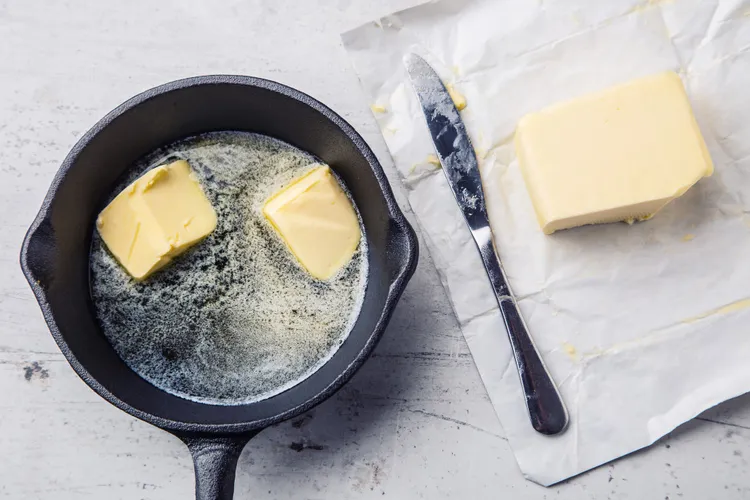
Then you have pantry staples like flour, oil, and broth. Flour can often be swapped with cornstarch for thickening, oat flour for baking, or even crushed crackers in savory recipes. If you run out of oil, melted butter works wonders, and vice versa. Broth is one of the easiest ingredients to replace - water with a bit of salt, soy sauce, or even a splash of wine can keep soups and sauces flavorful and full-bodied. Once you learn how to make these decisions instinctively, your kitchen becomes a place of flexibility rather than stress.
Of course, these substitutions aren’t just for emergencies. They’re powerful tools for everyday cooking, helping you tailor recipes to what you already have. They reduce waste, save money, and free you from the rigid feeling that cooking requires perfect ingredients every time. The best cooks in the world know that adaptability is the heart of good food. They look at a missing ingredient not as a problem, but as an invitation.
So the next time you’re mid-recipe and discover something crucial is missing, don’t panic. Take a breath, think about what role that ingredient plays, and look around your kitchen with curious eyes. Chances are, the solution is already within reach. And who knows - your substitute might even make the dish better than the original. This is the beauty of cooking: it rewards creativity as much as precision. With smart substitutions at your fingertips, you can cook confidently, resourcefully, and deliciously - even when your pantry isn’t perfect.