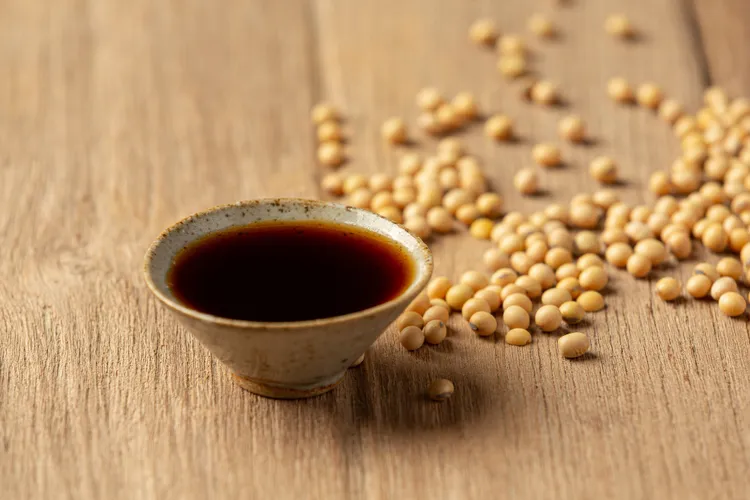
Open almost any refrigerator and you’ll likely find a bottle of soy sauce sitting near the back door shelf - used occasionally, often forgotten.
That’s a missed opportunity.
Soy sauce isn’t simply a seasoning tied to one cuisine. In modern cooking, chefs treat it as a universal flavor enhancer because it delivers something difficult to create quickly at home: deep savory complexity.
Used correctly, soy sauce can improve soups, sauces, roasted vegetables, meat dishes, and even comfort food classics without making them taste distinctly “Asian.”
The key is understanding why it works.
What Soy Sauce Actually Does to Food (And Why It Works)
Soy sauce provides three important elements at once:
Salt
It seasons food evenly.
Umami
Naturally fermented soybeans create glutamates - compounds responsible for savory depth.
Complexity
Fermentation adds subtle sweetness and aroma.
Unlike plain salt, soy sauce layers flavor instead of simply making food salty.
That’s why professional kitchens often add small amounts quietly in unexpected dishes.
Different Types of Soy Sauce - Which One Should You Use?
Not all soy sauces behave the same way.
Understanding the differences helps avoid overpowering dishes.
Light Soy Sauce (All-Purpose Cooking)
Best for:
-
soups
-
marinades
-
sauces
-
vegetables.
Saltier and thinner, it blends easily into recipes.
Dark Soy Sauce
Best for:
-
braises
-
roasted meats
-
gravies.
Slightly sweeter and thicker with deeper color.
Low-Sodium Soy Sauce
Ideal for:
-
everyday seasoning control.
Helpful when layering flavors gradually.
For most home kitchens, one reliable everyday soy sauce is enough.
Why Western Dishes Benefit From Soy Sauce Too
Many classic European and American recipes already chase umami flavor using ingredients like:
-
mushrooms
-
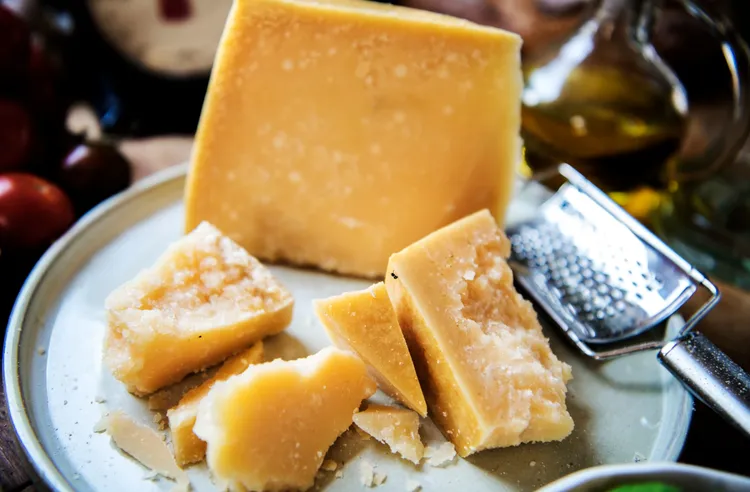
aged cheese
-
tomatoes
-
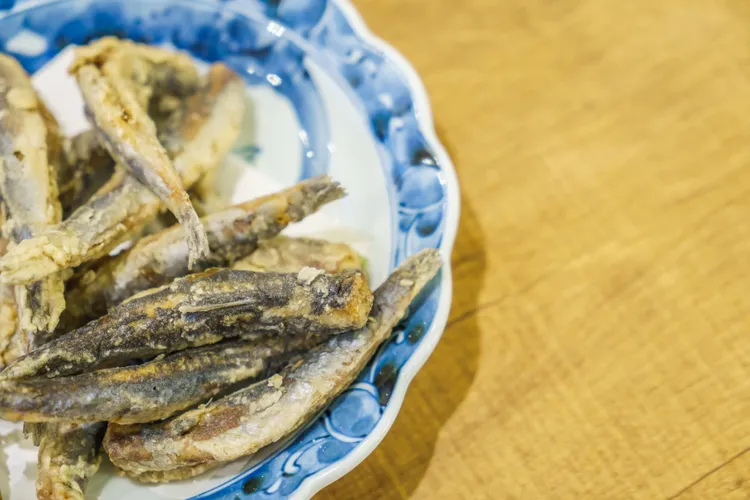
anchovies
-
Worcestershire sauce.
Soy sauce simply delivers similar depth faster.
Used in small amounts, it disappears into the background while improving overall taste.
1. The Soup Upgrade Trick Chefs Use
If soup tastes flat despite seasoning, the issue often isn’t salt - it’s missing depth.
A small splash of soy sauce can fix this instantly.
Why It Works
Soy sauce strengthens broth flavor without overpowering vegetables or herbs.
Works especially well in:
-
vegetable soup
-
lentil soup
-
chicken soup
-
beef stew.
Start with half a teaspoon and adjust slowly.
Most people never notice soy sauce specifically - only that the soup tastes richer.
2. Marinades That Actually Penetrate Flavor
Soy sauce is one of the best marinade bases available.
Why It Works
Salt helps proteins retain moisture while fermentation compounds enhance browning during cooking.
Simple marinade formula:
-
soy sauce
-
oil
-
garlic
-
acid (lemon or vinegar)
-
herbs or spices.
Works beautifully for:
-
chicken
-
pork
-
mushrooms
-
roasted vegetables.
Even a 15-minute marinade can noticeably improve flavor.
3. The Secret Ingredient in Meat Cooking
Many chefs add soy sauce to burgers, meatballs, or meatloaf.
Not enough to taste - just enough to enhance savoriness.
Example Uses
Mix a teaspoon into:
-
ground beef mixtures,
-
steak pan sauces,
-
braised meats.
Why This Works
Soy sauce amplifies natural meat flavor while encouraging better browning.
Result:
deeper taste without extra effort.
4. Roasted Vegetables Become Dramatically Better
Vegetables often taste bland because they lack natural fat or protein richness.
Soy sauce solves this.
Quick Roasting Trick
Toss vegetables with:
-
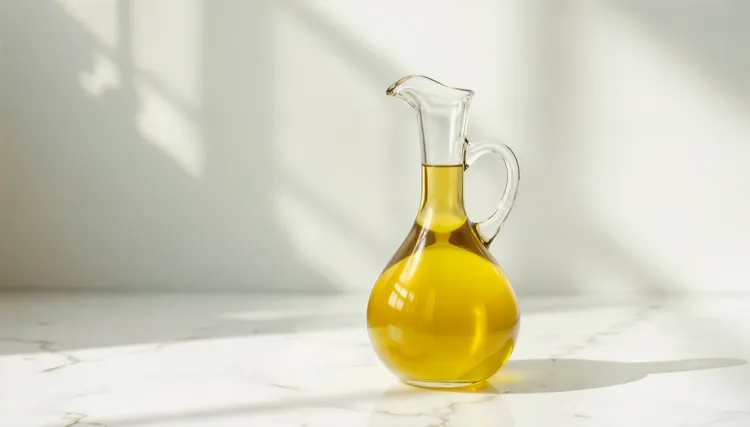
olive oil
-
small splash soy sauce
-
pepper.
Perfect for:
-
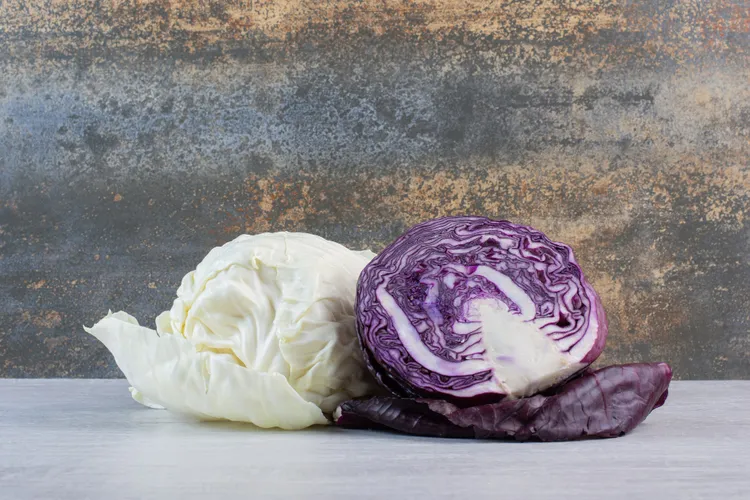
cabbage
-
carrots
-
potatoes
-
broccoli
-
mushrooms.
During roasting, sugars caramelize while soy sauce intensifies flavor.
Vegetables taste fuller and more satisfying.
5. Pasta Sauce and Tomato Dishes - Unexpected but Effective
Tomatoes already contain natural glutamates.
Soy sauce reinforces them.
Add a small amount to:
-
tomato sauce,
-
bolognese,
-
chili,
-
slow-cooked ragù.
You won’t taste soy sauce.
You’ll taste a sauce that feels slower cooked than it actually was.
6. Salad Dressings That Taste Restaurant-Level
Soy sauce replaces part of the salt in vinaigrettes.
Simple dressing idea:
-
olive oil
-
lemon juice
-
soy sauce
-
honey
-
mustard.
Why It Works
Salt distributes evenly while fermentation adds depth.
Excellent for grain bowls or cabbage salads.
7. Butter + Soy Sauce: The Fast Sauce Combination
One of the simplest chef tricks.
Melt butter and add a few drops of soy sauce.
Use it on:
-
roasted potatoes,
-
pasta,
-
sautéed greens,
-
mushrooms.
Butter adds richness; soy sauce sharpens flavor balance.
The result tastes surprisingly complex.
Common Mistakes Home Cooks Make With Soy Sauce
Adding Too Much
Soy sauce should enhance, not dominate.
Start small.
Using It Late Only
Adding some during cooking allows flavors to integrate better.
Forgetting Salt Balance
If using soy sauce, reduce additional salt slightly.
When Soy Sauce Should NOT Be Used
It doesn’t suit every dish.
Avoid when cooking:
-
delicate cream desserts,
-
very light herbal sauces,
-
dishes where pure ingredient flavor matters most.
Like any seasoning, context matters.
A Simple Rule Professionals Follow
Think of soy sauce as:
liquid seasoning - not cuisine-specific flavor.
If a dish needs:
-
depth,
-
savoriness,
-
balance,
a few drops may help.
The Bottle You Should Reach for More Often
Soy sauce has quietly moved beyond traditional boundaries because it solves one of the biggest challenges in home cooking - building flavor quickly.
It strengthens soups, improves marinades, deepens sauces, and transforms vegetables without complicated techniques.
For home cooks looking to cook smarter rather than harder, soy sauce isn’t just for stir-fries anymore.
It’s one of the most versatile flavor tools in the modern kitchen.