Lemon zest vs juice - different jobs
Lemon is one of the most powerful flavor tools in the kitchen, yet many home cooks use only the juice and overlook the zest. Although they come from the same fruit, lemon zest and lemon juice perform completely different roles in cooking. Understanding when to use each can instantly elevate everyday meals.
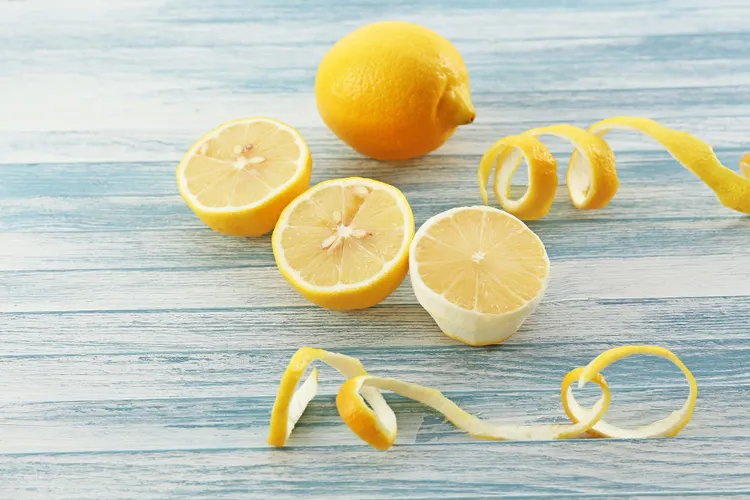
The small citrus detail that makes a big difference in flavor
A squeeze of lemon can wake up a dish instantly.
But here’s something professional cooks know well: the most interesting lemon flavor often doesn’t come from the juice at all.
It comes from the peel.
Lemon zest and lemon juice may seem interchangeable, but they behave very differently in recipes. One adds brightness and aroma, while the other adds acidity and balance.
Knowing how to use both correctly can transform soups, sauces, vegetables, meats, and even simple weeknight dinners.
Let’s break down what each actually does - and why chefs often use both together.
What Is Lemon Zest?
Lemon zest is the thin yellow outer layer of the lemon peel.
It contains:
-
essential oils
-
aromatic compounds
-
concentrated citrus fragrance.
Important detail:
The white layer underneath (called pith) tastes bitter and should usually be avoided.
Zest delivers lemon flavor without sourness.
What Is Lemon Juice?
Lemon juice comes from the interior pulp.
Its main characteristics are:
-
acidity
-
freshness
-
sharp brightness.
Juice changes how flavors taste on the palate by balancing richness and saltiness.
In simple terms:
Zest smells like lemon.
Juice tastes sour and bright.
Both matter - but for different reasons.
The Biggest Difference: Aroma vs Acidity
This distinction explains everything.
Lemon Zest = Aroma and Flavor Depth
Adds citrus fragrance and complexity.
Lemon Juice = Acid Balance
Adjusts seasoning and brightness.
When food tastes flat, juice often helps.
When food tastes dull but balanced, zest adds interest.
Professional kitchens separate these roles carefully.
When Lemon Zest Works Best
Zest shines when you want citrus flavor without extra liquid or sourness.
Best uses include:
-
roasted vegetables
-
pasta dishes
-
salads
-
grilled meats
-
baked goods
-
creamy sauces.
Because zest contains oils, it spreads flavor evenly.
Even a small amount can perfume an entire dish.
When Lemon Juice Is the Better Choice
Juice works best when food needs balance.
Ideal for:
-
soups
-
sauces
-
seafood
-
dressings
-
heavy or fatty dishes.
Acid cuts richness.
That’s why lemon juice often appears at the end of cooking.
A few drops can completely change perception of flavor.
Why Chefs Often Use Both Together
Many restaurant dishes layer citrus intentionally.
Example:
Roasted chicken finished with:
-
lemon zest for aroma
-
lemon juice for brightness.
Result?
Flavor feels fresh but not sour.
This layering technique creates complexity without overpowering ingredients.
Zest vs Juice in Common Cooking Situations
Roasted Vegetables
Juice added early can soften vegetables too much.
Zest added at the end keeps texture crisp while adding freshness.
Best approach:
Roast → finish with zest and small squeeze of juice.
Pasta Dishes
Creamy pasta benefits enormously from zest.
Juice alone may thin sauces.
Zest adds citrus flavor without disrupting texture.
Classic example:
Lemon butter pasta finished with zest.
Fish and Seafood
Juice balances natural richness.
Zest enhances aroma.
Using both makes seafood taste lighter and fresher.
Salads and Dressings
Juice builds vinaigrettes.
Zest deepens citrus flavor without extra acidity.
Many simple dressings improve instantly with zest.
Cooking Timing Matters
Timing changes results significantly.
Add Zest Late
Heat destroys aromatic oils quickly.
Add near serving time for maximum fragrance.
Juice Can Go Earlier or Later
Depending on recipe:
Earlier → marinades or braises.
Later → flavor adjustment.
Small timing changes create noticeable differences.
Lemon Zest vs Bottled Lemon Juice
Fresh lemons perform far better.
Bottled juice lacks aromatic oils.
You also lose zest entirely.
Fresh citrus gives:
-
brighter flavor
-
stronger aroma
-
better balance.
One lemon often improves multiple meals.
How Much Should You Use?
General guideline:
-
1 teaspoon zest = noticeable aroma boost.
-
1–2 teaspoons juice = flavor adjustment.
Always taste as you go.
Too much juice overwhelms quickly.
Easy Zesting Tips for Home Cooks
Use:
-
microplane
-
fine grater
-
citrus zester.
Rotate the lemon gently and avoid digging into white pith.
Chef tip:
Zest lemons before cutting or juicing.
Much easier.
Common Mistakes With Lemon Flavor
Using Only Juice
Food becomes sour instead of fresh.
Cooking Zest Too Long
Aroma disappears.
Adding Juice Too Early in Delicates
Can toughen proteins or dull vegetables.
Ignoring Balance
Acid works best alongside salt and fat.
The Flavor Upgrade Trick Most Home Cooks Miss
Try this experiment.
Cook vegetables normally.
Divide into two bowls.
Add juice to one.
Add zest plus small juice squeeze to the other.
The second almost always tastes brighter and more complex.
That’s flavor layering in action.
Why Citrus Is So Powerful in Cooking
Lemon works because it influences multiple senses:
-
smell
-
taste
-
freshness perception.
Aromatic oils signal brightness even before the first bite.
That’s why citrus appears across cuisines worldwide.
Same Fruit, Completely Different Tools
Lemon zest and lemon juice may come from the same ingredient, but they solve different cooking problems.
Juice balances flavor.
Zest builds aroma.
Learning when to use each - or better yet, both together - is one of the simplest ways to make everyday cooking taste more vibrant and intentional.
Sometimes better cooking isn’t about adding more ingredients.
It’s about using the ones you already have in smarter ways.
Latest