Walk through any supermarket or local market and you’ll notice something surprising - while many vegetables fluctuate in price, cabbage almost always stays affordable.
But price alone isn’t what makes cabbage remarkable.
It stores for weeks, feeds families easily, absorbs flavor beautifully, and works in everything from quick weeknight dinners to slow comfort food. Across cuisines worldwide, cabbage appears again and again because it solves a practical cooking problem: how to cook satisfying meals without spending much.
For home cooks, cabbage isn’t just a side vegetable. It’s a strategy.
Let’s look at why.
Why Cabbage Is a True Budget Super Ingredient
Cabbage delivers three major advantages in everyday cooking:
1. Extremely Low Cost Per Meal
One medium cabbage can produce:
-
multiple side dishes
-
soups
-
stir-fries
-
salads
-
fillings for wraps or bowls.
Few vegetables stretch as far.
2. Long Refrigerator Life
Unlike delicate greens, cabbage can last weeks when stored properly. That means less food waste - one of the biggest hidden grocery expenses.
3. Nutrient Density
Cabbage provides fiber, vitamin C, and antioxidants while remaining light and filling, making it ideal for everyday meals.
In short: affordable, durable, and adaptable.
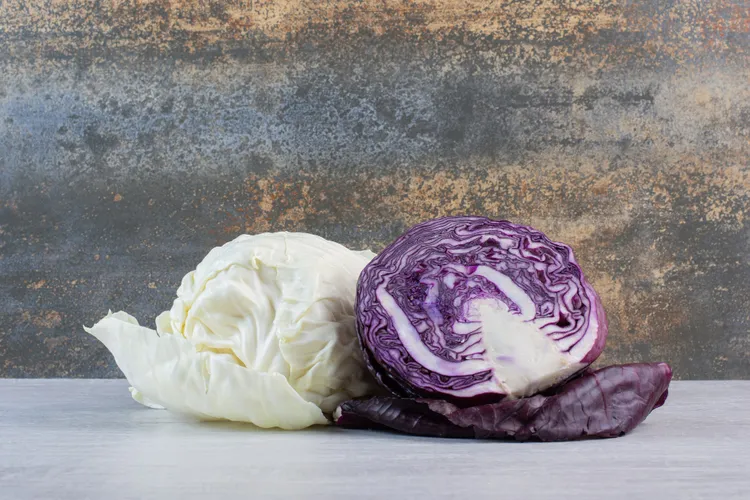
Green vs Red vs Napa: Which Cabbage Should You Choose?
Different cabbages behave differently in cooking.
Green Cabbage - The Everyday Workhorse
Best for:
-
soups
-
sautéing
-
roasting
-
stuffed dishes.
It softens slowly and absorbs seasoning well.
Red Cabbage - Crunch and Color
Ideal for:
-
slaws
-
quick pickles
-
grain bowls.
It stays firmer and adds visual appeal.
Napa Cabbage - Fast Cooking Favorite
Perfect for:
-
stir-fries
-
noodle dishes
-
light soups.
Choosing the right type improves texture and cooking speed.
1. The Fastest Way to Cook Cabbage: High-Heat Sautéing
Many people think cabbage requires long cooking times.
It doesn’t.
Why This Method Works
High heat evaporates moisture quickly while caramelizing natural sugars.
Result:
sweet, slightly crispy edges.
Simple 10-Minute Skillet Cabbage
Slice cabbage thinly and cook with:
-
olive oil or butter
-
garlic
-
salt
-
pepper.
Optional additions:
-
smoked paprika
-
soy sauce
-
chili flakes.
CookThisMuch recipes frequently pair sautéed cabbage with proteins like sausage or chicken for quick balanced meals that stretch ingredients further.
2. Cabbage Soups: Maximum Meals From Minimal Ingredients
If there’s one category where cabbage shines, it’s soup.
Large batches become multiple meals.
Why Cabbage Works in Soup
It:
-
absorbs broth flavor,
-
thickens naturally,
-
adds texture without starch.
Example Meal Idea
Cabbage + ground beef + tomatoes + onions creates a hearty soup that improves the next day.
Perfect for meal prep cooking.
3. Roasted Cabbage: The Flavor Upgrade Most People Miss
Roasting completely changes cabbage.
Instead of soft boiled leaves, you get caramelized edges and nutty flavor.
Why Roasting Works
Oven heat concentrates sugars inside the cabbage layers.
Easy Roasted Cabbage Wedges
Cut cabbage into wedges and roast with:
-
olive oil
-
salt
-
garlic powder.
Cook at high temperature until browned.
Serve with yogurt sauce or lemon dressing.
4. Slaws That Are Not Just BBQ Sides
Traditional coleslaw is only the beginning.
Modern cabbage slaws act as toppings and meal builders.
Quick Everyday Slaw Formula
Mix:
-
shredded cabbage
-
vinegar or lemon juice
-
oil
-
salt
-
herbs.
Optional additions:
-
carrots
-
apples
-
yogurt dressing.
Why it works: acid softens cabbage slightly while keeping texture.
5. Stir-Fries: The Ultimate Leftover Solution
Cabbage performs exceptionally well in stir-fries.
It cooks quickly and absorbs sauces easily.
CookThisMuch meal examples often combine cabbage with noodles, rice dishes, or chicken stir-fries - ideal for using leftover vegetables.
Fast Weeknight Stir-Fry
Cook:
-
cabbage
-
onion
-
garlic
-
leftover meat or tofu.
Add soy sauce and sesame oil.
Dinner in under 15 minutes.
6. Stuffed Cabbage: Maximum Comfort Food Value
Many traditional cuisines rely on cabbage rolls because they extend small amounts of meat into large meals.
Why This Works
Cabbage leaves:
-
hold fillings naturally,
-
stay tender during baking,
-
absorb sauce flavor.
One cabbage can feed several people.
7. Quick Pickled Cabbage (The Meal Booster Hack)
Pickled cabbage instantly upgrades simple food.
Add it to:
-
sandwiches
-
rice bowls
-
eggs
-
grilled meat.
5-Minute Pickle Method
Toss shredded cabbage with:
-
vinegar
-
salt
-
sugar or honey.
Let sit briefly.
How to Make One Cabbage Last All Week
Smart home cooks divide cabbage into uses.
Example strategy:
Day 1 - Fresh slaw
Day 2 - Stir-fry
Day 3 - Soup
Day 4 - Roasted wedges.
One purchase becomes multiple meals.
Storage Tips That Prevent Waste
Keep cabbage fresh longer by:
-
storing whole heads unwashed,
-
wrapping loosely in plastic or paper,
-
keeping in refrigerator crisper drawer.
Cut cabbage should be tightly wrapped.
Proper storage can extend usability for weeks.
Why Professional Kitchens Love Cabbage Too
Restaurants often rely on cabbage because it provides:
-
volume,
-
texture,
-
cost control,
-
flexibility across menus.
The same advantages apply at home - especially when cooking regularly.
The Ingredient That Makes Cooking Easier (and Cheaper)
Cabbage may not look glamorous, but it quietly solves many everyday cooking challenges.
It stretches meals, reduces waste, works across cuisines, and adapts to nearly any cooking method - sautéed, roasted, pickled, or simmered.
For home cooks trying to balance flavor, nutrition, and budget, cabbage isn’t just another vegetable.
It’s one of the smartest ingredients you can bring into your kitchen.