Asian Cuisine Pairings Beyond Beer: A Complete Food & Drink Guide
Asian cuisine is incredibly diverse, layered, and complex - yet it’s often paired with beer by default. While beer can work, it barely scratches the surface of what’s possible. This in-depth guide explores thoughtful drink pairings for Asian food beyond beer, including wine, tea, cocktails, and non-alcoholic options that complement spice, umami, sweetness, and acidity without overpowering the dish.
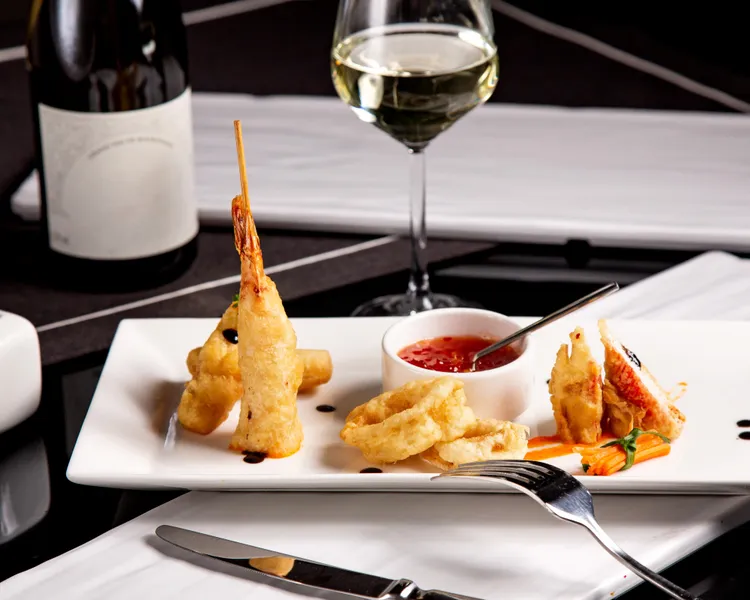
This post contains alcohol pairing suggestions and is intended for readers of legal drinking age (18+/21+). Please drink responsibly.
Understanding Asian Flavor Profiles Before Pairing
To pair drinks successfully with Asian cuisine, it’s essential to understand its dominant flavor structures. Many Asian dishes combine multiple taste elements in a single bite, making balance more important than tradition.
Common Flavor Elements in Asian Cooking
-
Umami: Soy sauce, miso, fish sauce, fermented pastes
-
Heat & spice: Chili, peppercorns, curry pastes
-
Sweetness: Palm sugar, hoisin, mirin
-
Acidity: Rice vinegar, tamarind, citrus
-
Aromatics: Ginger, lemongrass, garlic, galangal
The best drink pairings either cool the heat, echo aromatics, or cut through richness, rather than competing for attention.
Why Beer Isn’t Always the Best Choice
Beer works well with fried and salty foods, but many Asian dishes present challenges:
-
High spice can amplify bitterness
-
Sweet sauces can make beer taste flat
-
Delicate dishes can be overwhelmed by carbonation
This is why wine, tea, cocktails, and non-alcoholic drinks often offer more precise and satisfying matches.
Wine Pairings for Asian Cuisine (Beyond the Basics)
Riesling (Dry to Off-Dry)
One of the most versatile wines for Asian food.
Best with: Thai curries, Vietnamese dishes, Korean barbecue, spicy Chinese food
Why it works: High acidity and gentle sweetness cool spice and complement umami without masking flavors.
Gewürztraminer
Aromatic and expressive.
Best with: Indian curries, Sichuan dishes, Malaysian cuisine
Why it works: Lychee, rose, and spice notes mirror bold aromatics.
Grüner Veltliner
Crisp and peppery.
Best with: Japanese tempura, vegetable stir-fries, sushi
Why it works: Cleanses the palate while echoing herbal notes.
Pinot Noir
Light-bodied and food-friendly.
Best with: Teriyaki dishes, Korean barbecue, mushroom-based recipes
Why it works: Low tannins prevent clashes with soy-based sauces.
Sparkling Wine
Often overlooked but highly effective.
Best with: Fried foods, dumplings, spring rolls
Why it works: Acidity and bubbles cut through oil and richness.
Tea Pairings: A Natural Fit for Asian Food
Tea is deeply rooted in Asian culture and pairs effortlessly with food due to its low bitterness and aromatic complexity.
Green Tea
Best with: Sushi, steamed fish, light noodle dishes
Why it works: Clean, grassy notes enhance freshness.
Oolong Tea
Best with: Roasted meats, dumplings, savory pastries
Why it works: Semi-oxidized character bridges light and rich dishes.
Jasmine Tea
Best with: Cantonese cuisine, mild stir-fries
Why it works: Floral aroma lifts delicate flavors.
Pu-erh Tea
Best with: Fatty meats, braised dishes
Why it works: Earthy depth helps digest rich foods.
Chilled or Sparkling Tea
A modern approach that works exceptionally well with spicy dishes.
Cocktail Pairings for Asian Cuisine
Cocktails, when kept balanced and not overly sweet, can enhance Asian food beautifully.
Ginger-Based Cocktails
Best with: Thai, Korean, and Chinese dishes
Why it works: Ginger complements spice and aids digestion.
Citrus-Forward Cocktails
Best with: Vietnamese, Japanese, and seafood-based dishes
Why it works: Bright acidity mirrors lime, yuzu, and vinegar.
Sesame or Umami-Inspired Cocktails
Best with: Ramen, grilled meats, miso-based dishes
Why it works: Savory notes align with umami-heavy foods.
Low-ABV Cocktails
Ideal for long meals with multiple dishes, keeping the palate fresh.
Non-Alcoholic Drink Pairings (NA & Alcohol-Free)
Non-alcoholic pairings are especially effective with Asian cuisine due to their flexibility and clarity.
Coconut Water
Best with: Spicy curries, grilled meats
Why it works: Natural sweetness cools heat and refreshes.
Citrus Spritzers
Best with: Fried foods, noodles, street food
Why it works: Acidity cuts grease and balances salt.
Fermented Drinks (Kombucha, Tepache)
Best with: Korean, Japanese, and fusion dishes
Why it works: Light funk complements fermentation-based flavors.
Herbal & Spice Infusions
Lemongrass, pandan, ginger, or star anise teas work exceptionally well.
Milk-Based Drinks
Lassi-style or oat-based drinks help tame spice and richness.
Regional Asian Cuisine Pairing Guide
Chinese Cuisine
Key flavors: Umami, soy, garlic, chili
Best pairings: Riesling, jasmine tea, citrus spritzers
Japanese Cuisine
Key flavors: Clean, subtle, umami-rich
Best pairings: Green tea, Grüner Veltliner, sparkling water with yuzu
Thai Cuisine
Key flavors: Sweet, sour, spicy, herbal
Best pairings: Off-dry Riesling, coconut water, ginger cocktails
Korean Cuisine
Key flavors: Fermented, spicy, savory
Best pairings: Pinot Noir, barley tea, kombucha
Indian Cuisine
Key flavors: Spices, richness, heat
Best pairings: Gewürztraminer, mango lassi, chai-inspired NA drinks
Vietnamese Cuisine
Key flavors: Fresh herbs, acidity
Best pairings: Sauvignon Blanc, iced green tea, lime spritzers
Practical Pairing Tips for Asian Food
-
Avoid high-tannin red wines with spicy or soy-heavy dishes
-
Slight sweetness helps manage heat
-
Acidity refreshes the palate
-
Lower alcohol or alcohol-free options allow flavors to shine
-
When in doubt, tea or sparkling water with citrus is a safe choice
Expanding Asian Food Pairings Beyond Beer
Asian cuisine deserves drink pairings as nuanced as its flavors. Moving beyond beer opens the door to wines with balance, teas with depth, cocktails with intention, and non-alcoholic options that feel just as considered. By focusing on harmony rather than tradition, you can create pairings that elevate every bite and make the entire dining experience more engaging, inclusive, and memorable.
This content is intended for informational and entertainment purposes only for responsible adults of legal drinking age (18+ or 21+, depending on your location). We do not advocate for the overconsumption or abuse of alcohol. Please drink responsibly and never drink and drive. Any recipes or pairing suggestions followed are at the reader’s own risk, and www.cookthismuch.com is not liable for any adverse effects or consequences resulting from the use of information on this site.
Latest