Blanching & Shocking: The Secret to Vibrant, Crisp Vegetables
Ever wondered how chefs manage to serve vegetables that are bright, crisp, and full of fresh flavor? The secret isn’t expensive equipment or fancy tricks - it’s the simple, two-step technique of blanching and shocking. Once you understand how it works, you can transform everyday veggies into vibrant, restaurant-worthy sides with almost no effort.
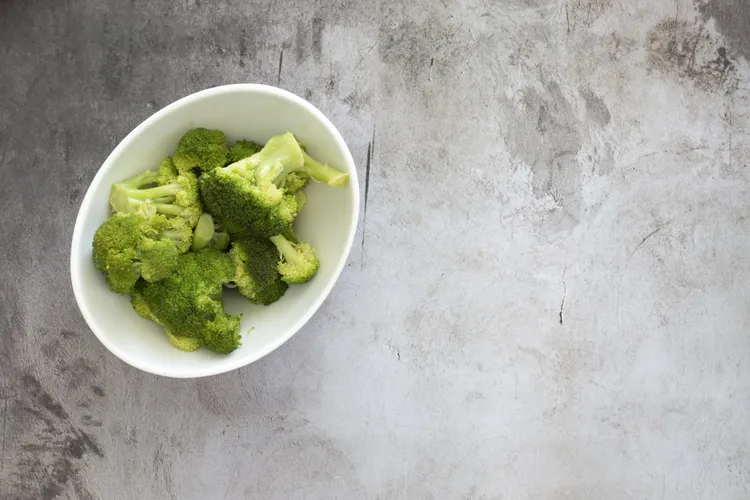
Blanching and shocking might sound like dramatic techniques, but in the culinary world, they’re among the simplest - and most transformative - methods any cook can master. Whether you’re prepping vegetables for salads, stir-fries, meal prepping, or freezing, this two-step process helps you achieve something hard to get any other way: vegetables that stay crisp, bright, vibrant, and full of fresh flavor. Understanding how to blanch and shock properly is one of those small kitchen skills that instantly elevates your cooking, making your meals look more professional, taste more balanced, and retain the natural beauty of every ingredient.
At its core, blanching is the brief cooking of vegetables in boiling, salted water, while shocking is quickly cooling them in an ice bath to stop the cooking process. It sounds almost too simple, but the science behind it explains why the results are so impressive. When vegetables hit boiling water, their cell walls react quickly - chlorophyll lights up, giving greens that deep, emerald color; carotenoids brighten; natural sugars surface. The vegetables soften slightly on the outside, become more tender to bite, and develop a cleaner, sweeter flavor. But if you boil them too long, they lose their snap and color, turning dull, mushy, and flavorless. That’s where shocking comes in. Immersing freshly blanched vegetables into ice water instantly halts the cooking, locking in that perfect texture and preserving the nutrients that prolonged heat would otherwise destroy.
One of the most important details in blanching basics is the pot of water itself. You need a large pot with plenty of rapidly boiling water, generously salted - think “salty like the sea.” Salt doesn’t just season the vegetables; it helps them retain their color and firms their texture during cooking. A small pot of lightly salted water simply won’t deliver the same pop. Once the water is boiling hard, you drop in the vegetables and let them cook for just long enough to brighten and slightly soften - usually anywhere from 30 seconds to 5 minutes depending on the vegetable. Thin or delicate veggies like peas, spinach, snow peas, or asparagus need only seconds. Heftier ones like carrots, green beans, cauliflower, and broccoli take a little longer, but never long enough to become limp.
As soon as the vegetables reach that perfect blanched state, they move straight to the ice bath - a bowl filled with ice and cold water. This shocking step is non-negotiable. Without it, the vegetables continue to cook from residual heat, leading to soft textures and faded colors. The shocking process sets the color, stops enzyme activity, helps the vegetables hold their shape, and keeps them crisp. Letting them rest in the ice bath until fully chilled ensures they’re ready for whatever recipe you’re preparing - sauté, salad, stir-fry, roasting, or freezing.
This blanching and shocking technique is particularly valuable when prepping vegetables for freezing, since it stops the enzymes that cause flavor and texture degradation over time. If you’ve ever frozen raw vegetables and then thawed them only to find them mushy and dull, blanching is the step you were missing. It keeps your frozen produce far closer to fresh, making it perfect for efficient meal prep. Likewise, the method is essential for recipes like Niçoise salad, vegetable platters, grain bowls, or dishes that require multiple vegetables to be cooked to the same tenderness.
Blanching also enhances vegetables for stir-fries, helping them cook faster and more evenly once they hit the high heat of the pan. Chefs rely on blanching to ensure that vegetables like broccoli and green beans stay crisp rather than burning or steaming unevenly in the wok. When vegetables are blanched first, you can stir-fry everything quickly, which preserves the bright color and keeps the dish fresh and light.
Texture control is one of blanching’s most powerful benefits. You can fine-tune the exact level of softness you want - just tender-crisp, slightly softened, or perfectly pliable. For example, if you love broccoli that has snap but no raw edge, blanching is your best friend. If you prefer carrots that aren’t crunchy but still hold their shape, blanching gives you precision. And when you're cooking for kids or picky eaters, blanching reduces bitterness and brings out natural sweetness.
Blanching isn’t limited to vegetables, either. It can be used to peel tomatoes easily (a quick blanch loosens the skin), soften onions for pickling, or remove bitterness from certain greens. It’s also a powerful technique for par-cooking items you plan to grill or roast later, ensuring even cooking and preventing burned exteriors with raw middles. For restaurant chefs, blanching is a cornerstone of mise en place - prepping everything so dishes come together seamlessly and beautifully.
Of course, timing is everything. Over-blanching leads to soggy textures and loss of nutrients; under-blanching leaves a raw bite that can interfere with the dish. The key is knowing each vegetable’s ideal cooking time and staying attentive. A kitchen timer becomes your best ally here. Once you master the rhythm of blanching and shocking, you’ll appreciate how it forms the backbone of crisp-tender vegetables that look as beautiful as they taste.
In the end, blanching and shocking is one of the kitchen’s simplest secrets, yet its impact is enormous. It’s a technique that gives vegetables a vibrant color, crisp texture, and clean flavor - qualities that instantly elevate your cooking. Whether you’re preparing everyday meals or creating dishes that look restaurant-level, understanding how to blanch and shock properly will transform your kitchen confidence. It’s proof that mastering just one foundational technique can make your food fresher, brighter, and undeniably better.
Latest