Braising Basics: Transforming Tough Cuts into Tender Meals
There’s nothing quite like the magic of braising - where tough, inexpensive cuts of meat slowly transform into tender, flavorful masterpieces. It’s the kind of cooking that fills your kitchen with warmth and your plate with comfort. Once you understand the basics, you’ll unlock one of the most rewarding techniques any home cook can master.
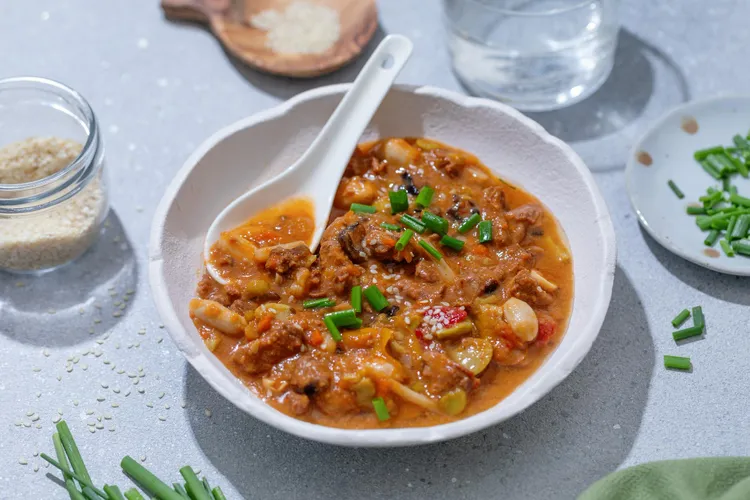
Braising is one of those cooking methods that feels both ancient and magical - an old-world technique that continues to deliver stunning, soul-warming meals in modern kitchens. At its heart, braising is all about patience, low heat, and the transformation of tough, inexpensive cuts of meat into meltingly tender, deeply flavorful dishes. It’s the kind of method that rewards slow cooking, makes your home smell like culinary heaven, and reminds you that good food doesn’t have to be complicated. Understanding braising basics not only makes you a better cook, but it also gives you the confidence to tackle ingredients you might otherwise overlook. And when you know how to braise properly, you can elevate everything from beef and pork to chicken, lamb, and even vegetables.
To understand why braising works so beautifully, you have to look at what makes certain cuts “tough” in the first place. Cuts like chuck roast, short ribs, shanks, brisket, pork shoulder, and lamb neck come from muscles that do a lot of work. They’re full of connective tissue - particularly collagen - which makes them chewy when cooked quickly but incredibly luscious when cooked low and slow. The secret to braising is that gentle heat plus time breaks down this collagen into gelatin, giving the finished dish that velvety, luxurious texture we all love in dishes like pot roast, beef bourguignon, coq au vin, and braised short ribs. When you master braising, you unlock the ability to turn low-cost cuts into restaurant-quality comfort meals.
A great braise starts long before the pot hits the oven. The first step - searing - is essential. Browning your meat on all sides creates the Maillard reaction, which adds layers of savory depth you simply cannot get any other way. This browning becomes the foundation of your flavor. Once the meat is removed from the pot, the same pan is used to sauté aromatics like onions, carrots, celery, garlic, and herbs. These aromatics soak up the fond - the browned bits stuck to the bottom of the pot - and begin building the braising liquid’s complexity. This step alone transforms an ordinary braise into a dish with richness and character.
The braising liquid is equally important. You don’t need much; braising is not boiling. Just one-third to halfway up the meat is enough. This balance keeps the meat partially submerged so the steam and liquid work together. The choice of liquid also shapes the dish’s identity. Broth creates a classic, comforting flavor. Wine adds depth and acidity. Beer offers malty richness. Tomatoes add brightness and body. Even coconut milk can create a velvety, aromatic braise infused with tropical warmth. The key is choosing a liquid that complements the ingredients and the style of dish you’re after.
Temperature is at the heart of braising success. Braises should be cooked low and slow - typically at 275°F to 325°F (135°C to 165°C). At these temperatures, collagen melts gently without drying out the meat. Oven braising is preferred because the heat is surrounding and consistent, but stovetop braising works too with a little more monitoring. The golden rule: never rush a braise. If the meat is still tough, it simply needs more time. When the meat is truly done, it will relax, loosen, and easily pull apart with a fork. That moment is worth the wait.
Another essential part of braising basics is seasoning at the right times. Early on, salt helps draw moisture and deepen flavor, but the braising liquid can reduce significantly, concentrating the saltiness. The best approach is to season lightly at the beginning and adjust the final taste after reducing the sauce. Speaking of sauce: reducing the braising liquid after removing the meat is a game-changer. This step thickens the liquid into a glossy, flavorful sauce that clings beautifully to the meat. A splash of vinegar, mustard, or lemon juice at the end brightens everything and keeps the dish from tasting too heavy.
Braising isn’t just about meat, either. Vegetables like cabbage, leeks, fennel, carrots, mushrooms, and even hearty greens take wonderfully to slow cooking. The same principles apply: brown them for flavor, add a small amount of liquid, cover, and let gentle heat do its work. Braised vegetables can become elegant side dishes or even the star of the meal, perfect for plant-forward cooking.
One of the best parts of braising is its flexibility. Once you understand the basic method - sear, sauté, deglaze, simmer, cover, and slow-cook - you can adapt it to nearly any cuisine. French-style braises may use wine, thyme, and shallots. Mexican-inspired braises often incorporate chilies, cumin, and citrus. Asian-style braises might include soy sauce, ginger, star anise, and rice wine. The technique stays the same, but the flavors can transport you anywhere.
And let’s not forget the practical perks: braised dishes are nearly impossible to overcook, they reheat beautifully, and many taste even better the next day as the flavors meld. They’re ideal for meal prep, dinner parties, cozy weekends, or days when you want a low-effort, high-reward meal simmering away while you focus on other things.
At its core, braising is the marriage of simplicity and transformation. It’s a reminder that great cooking isn’t always about fancy equipment or expensive cuts - it’s about technique, patience, and using time to your advantage. When you master braising basics, you gain access to a world of tender roasts, rich stews, fall-apart meats, and deeply satisfying meals that feel like a culinary hug. Tough cuts don’t stand a chance once they meet low heat, good aromatics, and a slow simmer - and your kitchen will never be the same.
Latest