Candy-Making 101: Simple Treats for Beginners
Candy-making may seem intimidating at first, but it’s actually one of the most rewarding skills you can learn in the kitchen. With a basic understanding of sugar and heat, even beginners can create smooth fudge, rich caramels, and irresistible chocolate treats. Start simple, stay patient, and you’ll be surprised how quickly confidence - and candy - builds.
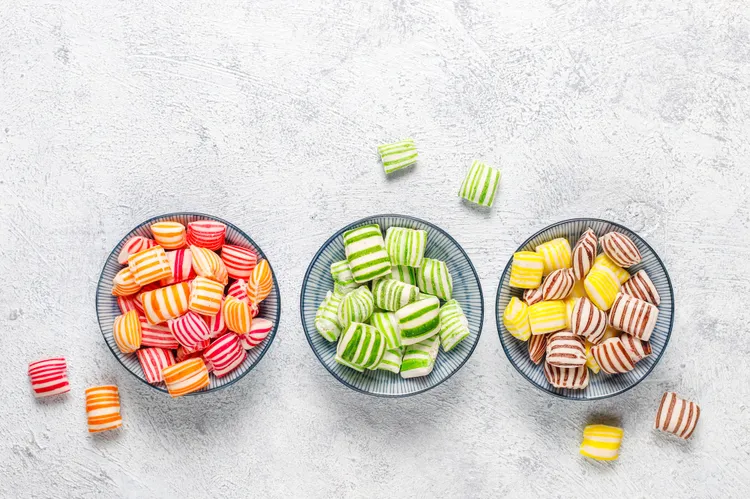
Candy-making has a reputation for being intimidating, full of thermometers, sugar stages, and split-second timing. In reality, it’s one of the most satisfying kitchen skills you can learn - especially when you start with the right expectations and beginner-friendly techniques. At its core, candy-making is simply the controlled heating and cooling of sugar. Once you understand how sugar behaves and which recipes are forgiving, creating homemade candy becomes approachable, fun, and surprisingly creative.
The foundation of beginner candy-making is sugar and heat. As sugar dissolves and cooks, water evaporates and the mixture thickens, changing texture and structure. You don’t need to memorize every technical stage to get started, but it helps to know that different temperatures produce different results. Lower temperatures create soft candies like fudge and caramels, while higher temperatures lead to brittle or hard candy. For beginners, the goal is consistency, not perfection, which is why starting with recipes that allow a margin for error is key.
One of the simplest candies to master is fudge. Fudge relies on sugar, dairy, and gentle heat, making it ideal for learning control without stress. The trick lies in dissolving the sugar fully before boiling and allowing the mixture to cool slightly before beating. This cooling phase encourages small sugar crystals, which give fudge its smooth, creamy texture. Rushing this step or stirring too early leads to grainy results, but with patience, even first-time candy-makers can achieve professional-quality fudge.
Caramels are another excellent beginner candy, especially for those learning to trust visual cues and aroma. Watching sugar transform from clear to golden teaches you how flavor develops through caramelization. The key is controlling the heat and adding cream or butter slowly to prevent splattering. Soft caramels don’t require extreme temperatures, and minor variations still produce delicious results, making them forgiving and rewarding.
Chocolate-based candies are often overlooked in candy-making discussions, yet they’re some of the easiest to start with. Treats like chocolate bark, truffles, and clusters require minimal cooking and introduce important concepts like melting gently and avoiding moisture. Learning to melt chocolate slowly and evenly builds confidence and creates a gateway into more advanced techniques later on.
Equipment plays a role in successful candy-making, but it doesn’t need to be elaborate. A heavy-bottomed saucepan, a heat-resistant spatula, and a reliable thermometer cover most beginner needs. Thermometers remove guesswork, especially for new candy-makers, but many simple recipes rely on texture and timing instead. Clean tools are critical - any stray sugar crystals can cause crystallization and ruin a batch.
Temperature control extends beyond cooking. Cooling is just as important as heating. Candies should cool undisturbed on heat-safe surfaces or lined pans. Humidity also affects results; sugar absorbs moisture from the air, which can make candy sticky or soft. Beginners often find better success on dry days or in climate-controlled kitchens.
Flavoring candy is where creativity shines. Vanilla, citrus zest, spices, nuts, and extracts allow endless customization without altering the basic technique. Adding flavor at the right moment - usually after cooking but before setting - ensures a clean, balanced taste. Coloring, if used, should be added sparingly to avoid overpowering the final product.
Perhaps the most important lesson in candy-making is patience. Sugar doesn’t respond well to rushing. Letting it dissolve fully, cook steadily, and cool properly makes the difference between success and frustration. Mistakes happen, but they’re often fixable. Overcooked caramel can become sauce, grainy fudge can be repurposed, and practice always improves results.
Candy-making for beginners isn’t about mastering every sugar stage - it’s about learning how sugar behaves and gaining confidence through simple, reliable recipes. With each batch, your instincts sharpen, your timing improves, and what once felt intimidating becomes second nature. Before long, you’ll not only be making candy - you’ll be understanding it, which is where the real magic begins.
Latest