Cheese & Wine Pairing Beyond the Classics
Most cheese and wine pairing advice stops at the same tired classics. While those pairings exist for a reason, they barely scratch the surface of what’s possible. This guide explores cheese and wine pairing beyond the classics, using simple flavor logic and unexpected combinations that are easy, affordable, and seriously delicious.
This post contains alcohol pairing suggestions and is intended for readers of legal drinking age (18+/21+). Please drink responsibly.
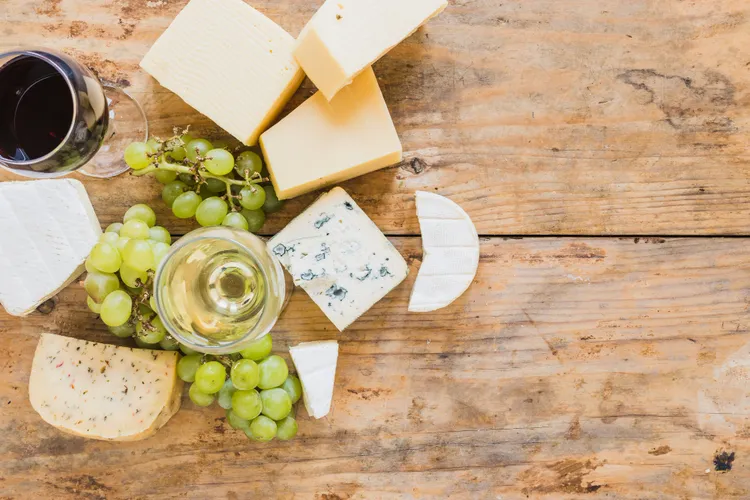
Cheese and wine might be one of the most iconic food pairings in the world - but it’s also one of the most misunderstood. Somewhere along the way, cheese boards became stiff, rule-heavy, and intimidating, even though cheese and wine were meant to be casual, social, and joyful.
The truth? You don’t need rare cheeses, expensive bottles, or memorized rules. Once you understand why cheese and wine work together, you can create amazing pairings using everyday options - and even surprise yourself with combinations you’d never expect.
Let’s break it down in a way that actually makes sense.
Why Classic Cheese & Wine Pairings Aren’t the Whole Story
Pairings like:
-
Cheddar and Cabernet
-
Brie and Chardonnay
-
Blue cheese and sweet wine
are popular because they’re reliable, not because they’re the only “correct” options.
Many classic pairings:
-
Can overwhelm one side of the pairing
-
Rely on outdated assumptions (like “red wine with everything”)
-
Ignore texture, salt, and acidity
Modern cheese and wine pairing is more flexible - and far more fun.
The Real Rules of Cheese & Wine Pairing
Forget rigid rules. Focus on three core principles instead.
1. Match Intensity, Not Color
Strong cheese needs a wine with presence. Delicate cheese needs a lighter wine. Color matters far less than intensity.
2. Use Acidity as a Secret Weapon
Acidic wines cut through fat, cleanse the palate, and make rich cheese feel lighter.
3. Salt Loves Contrast
Salty cheeses shine with wines that bring:
-
Fruitiness
-
Acidity
-
A touch of sweetness
Once you understand these basics, the pairing possibilities explode.
Unexpected Cheese & Wine Pairings That Work Beautifully
Now let’s go beyond the usual suspects.
Fresh Cheeses (Goat Cheese, Ricotta, Burrata)
Why They’re Tricky
Fresh cheeses are tangy, creamy, and delicate. Heavy wines overpower them instantly.
Unexpected Wine Matches
Instead of defaulting to Sauvignon Blanc every time, try:
-
Dry sparkling wine
-
Light-bodied white wines
-
Dry rosé
Why it works:
These wines mirror freshness, add acidity, and keep the pairing lively without stealing attention.
Bloomy Cheeses (Brie, Camembert)
The Common Mistake
Pairing them with heavily oaked white wines that make everything feel heavy.
Better, Less Obvious Choices
-
Sparkling wine
-
Light red wines with low tannins
-
Dry rosé
Why it works:
Bubbles and acidity cut through creaminess, while lighter reds complement the mushroomy notes without bitterness.
Washed-Rind Cheeses (Taleggio, Époisses)
Why They Scare People
They smell intense - but taste surprisingly sweet and savory.
Unexpected Wine Pairings
-
Aromatic white wines
-
Light, fruity red wines
-
Sparkling wines
Why it works:
These wines balance the cheese’s funk with brightness and fruit, instead of fighting it.
Semi-Hard Cheeses (Gruyère, Comté, Manchego)
The Classic Route
Often paired with big reds that dominate the cheese.
More Interesting Alternatives
-
Medium-bodied white wines
-
Dry sherry-style wines
-
Light to medium-bodied reds
Why it works:
Nutty, savory cheeses need wines with structure - not brute force.
Hard, Aged Cheeses (Parmesan, Pecorino, Aged Gouda)
Why These Are Gold for Pairing
Salt crystals, umami, and concentrated flavor make them incredibly versatile.
Unexpected Wine Matches
-
Sparkling wine
-
Medium-bodied reds
-
Oxidative or nutty wine styles
Why it works:
Salt amplifies fruit in wine, making even simple bottles taste richer and more complex.
Blue Cheese (Beyond Dessert Wine)
The Overused Pairing
Blue cheese + sweet wine (which is delicious, but not the only option).
Surprising Savory Pairings
-
Crisp, acidic white wines
-
Sparkling wines
-
Fruit-forward red wines
Why it works:
Salt and funk meet acidity and freshness, creating balance without sugar overload.
Vegan & Plant-Based Cheeses
What Makes Them Different
Many are:
-
Nut-based
-
Tangy
-
High in salt
Wine Pairing Tips
-
Choose wines with bright acidity
-
Avoid heavy tannins
-
Sparkling wine works extremely well
Why it works:
Acidity enhances texture and keeps plant-based cheeses from feeling flat.
How to Build a Modern Cheese & Wine Board
Instead of matching one wine to one cheese, think themes.
A Balanced Board Includes:
-
One fresh or tangy cheese
-
One creamy cheese
-
One firm or aged cheese
-
One wild-card (washed rind, blue, or vegan)
Pair with:
-
One sparkling or high-acid wine
-
One light to medium-bodied wine
This approach gives guests options without overcomplicating things.
Common Cheese & Wine Pairing Myths (Busted)
Myth: Red wine goes with all cheese
Truth: Tannins and cheese fat often clash.
Myth: Expensive cheese needs expensive wine
Truth: Balance matters more than price.
Myth: There’s only one correct pairing
Truth: Personal taste always wins.
A Simple Pairing Formula You’ll Actually Remember
When in doubt, remember this:
Creamy cheese → Acidic wine
Salty cheese → Fruity or fresh wine
Strong cheese → Wine with equal intensity
That’s it.
The Real Joy of Cheese & Wine Pairing
Cheese and wine aren’t about perfection - they’re about exploration. The best pairings often happen when you stop trying to impress and start paying attention to how flavors interact.
If it tastes good to you, it is good.
Because the best cheese and wine pairing isn’t the “correct” one.
It’s the one you want to pour again.
Disclaimer: This content is intended for informational and entertainment purposes only for responsible adults of legal drinking age (18+ or 21+, depending on your location). We do not advocate for the overconsumption or abuse of alcohol. Please drink responsibly and never drink and drive. Any recipes or pairing suggestions followed are at the reader’s own risk, and www.cookthismuch.com is not liable for any adverse effects or consequences resulting from the use of information on this site.
Latest