Cocktails That Pair Well with Dinner (Not Just Before)
Cocktails don’t have to disappear once dinner hits the table. When chosen thoughtfully, the right cocktail can enhance a meal just as beautifully as wine or beer. This guide explores cocktails that pair well with dinner, breaking down flavor, balance, and food-friendly styles that actually work beyond the appetizer course.
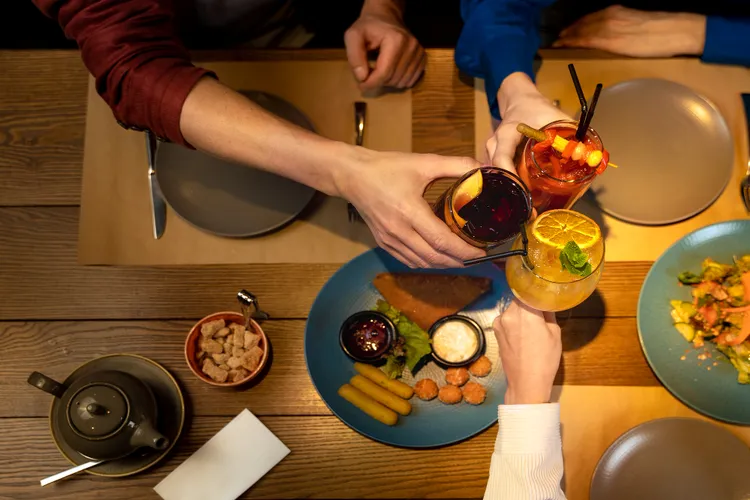
This post contains alcohol pairing suggestions and is intended for readers of legal drinking age (18+/21+). Please drink responsibly.
For decades, cocktails have been boxed into a single role: something you drink before eating. Once the food arrives, cocktails are often replaced with wine, beer, or water - because they’re assumed to be too strong, too sweet, or too distracting.
But that assumption is outdated.
Modern cocktails, when built with balance in mind, can be incredibly food-friendly. In fact, many classic cocktails were originally designed to stimulate the appetite, complement savory flavors, and refresh the palate - exactly what a good dinner drink should do.
The key isn’t avoiding cocktails at the table. It’s choosing the right ones.
Why Most Cocktails Fail at the Dinner Table
Let’s be honest: some cocktails really don’t belong with food.
Common problems include:
-
Too much sugar
-
Too much alcohol
-
Heavy textures
-
Overpowering flavors
These drinks dominate your palate instead of supporting the meal. Dinner-friendly cocktails do the opposite.
What Makes a Cocktail Dinner-Friendly?
A good cocktail pairing follows the same principles as wine or beer pairing.
1. Balance Comes First
Food-friendly cocktails are:
-
Lower in sugar
-
Moderate in alcohol
-
Well-balanced between sweet, sour, bitter, and spirit
2. Acidity Is Essential
Acid (from citrus, vinegar, or fortified wine) helps:
-
Cut fat
-
Refresh the palate
-
Make rich dishes feel lighter
3. Intensity Should Match the Food
Delicate food needs gentle cocktails. Bold food can handle stronger flavors.
Once you understand these basics, cocktails become a powerful pairing tool - not a distraction.
Aperitif-Style Cocktails That Shine with Dinner
Aperitif cocktails are naturally designed to pair with food.
What Defines an Aperitif Cocktail?
-
Lower alcohol
-
Bitter or herbal notes
-
Crisp, refreshing finish
These are perfect companions for a full meal.
The Negroni (And Lighter Variations)
Why It Works
The bitterness cuts richness, while herbal notes enhance savory dishes.
Best Food Pairings
-
Grilled meats
-
Pasta with tomato sauce
-
Roasted vegetables
-
Cheese boards
Make It More Dinner-Friendly
Try a lighter version with more vermouth and less base spirit.
The Americano
Why It Works
Lower alcohol, bubbly, and bitter - this is one of the most underrated dinner cocktails.
Best Food Pairings
-
Pizza
-
Charcuterie
-
Italian dishes
-
Fried food
This cocktail behaves more like a sparkling wine than a strong mixed drink.
Spritz-Style Cocktails for the Dinner Table
Spritzes are some of the most food-friendly cocktails in existence.
Why Spritz Cocktails Pair Well
-
Light body
-
High carbonation
-
Lower alcohol
Best Food Pairings
-
Seafood
-
Salads
-
Light pasta
-
Summer meals
A spritz refreshes without overwhelming, making it ideal for multi-course meals.
Martini-Style Cocktails (Done the Right Way)
Martinis get a bad reputation because they’re often served too strong.
How to Make Them Dinner-Appropriate
-
Use more vermouth
-
Stir gently
-
Keep them dry and balanced
Best Food Pairings
-
Seafood
-
Oysters
-
Roast chicken
-
Salty appetizers
A well-balanced martini acts like a crisp white wine with a little extra edge.
Sour Cocktails That Actually Work with Food
Not all sour cocktails are sugar bombs.
What to Look For
-
Fresh citrus
-
Controlled sweetness
-
Moderate proof
Best Food Pairings
-
Fried food
-
Spicy dishes
-
Rich comfort food
Acidity makes these cocktails excellent palate cleansers between bites.
Whiskey Cocktails That Pair with Dinner
Yes, whiskey can work - when handled gently.
The Key
-
Lower alcohol
-
More dilution
-
Minimal sweetness
Best Food Pairings
-
Grilled meats
-
Mushrooms
-
Roasted vegetables
Think savory, not boozy.
Gin Cocktails and Herbal Pairings
Gin’s botanical nature makes it surprisingly food-friendly.
Why Gin Works with Food
-
Herbal notes mirror herbs and spices
-
Citrus keeps things fresh
Best Food Pairings
-
Mediterranean dishes
-
Seafood
-
Herb-forward meals
Gin cocktails often behave like aromatic white wines at the table.
Rum Cocktails Beyond Sweet & Tropical
Rum isn’t just for dessert.
Dinner-Friendly Rum Traits
-
Dry or lightly aged rum
-
Minimal added sugar
Best Food Pairings
-
Grilled pork
-
Spiced dishes
-
Caribbean or Latin flavors
When balanced, rum adds warmth without overpowering food.
Cocktail Pairings by Meal Type
Seafood Dinners
Choose:
-
Citrus-forward cocktails
-
Herbal or saline notes
-
Light carbonation
Meat-Heavy Meals
Choose:
-
Bitter or spirit-forward cocktails
-
Malt-like or oak-aged notes
Vegetarian & Vegan Meals
Choose:
-
Herbaceous cocktails
-
Acid-driven drinks
-
Light, refreshing styles
Spicy Food
Choose:
-
Lower alcohol
-
Gentle sweetness
-
Bright acidity
Common Dinner Cocktail Myths (Busted)
Myth: Cocktails are too strong for food
Truth: Only poorly balanced ones are.
Myth: Wine is always the better choice
Truth: Cocktails offer bitterness and herbal complexity wine can’t.
Myth: One cocktail fits every dish
Truth: Just like wine, cocktails need intention.
How to Serve Cocktails with Dinner Successfully
A few simple tips:
-
Serve smaller portions
-
Lower the alcohol slightly
-
Use plenty of ice and dilution
-
Keep flavors clean and focused
Dinner cocktails should support the meal - not steal the spotlight.
A Simple Cocktail & Dinner Pairing Formula
If you remember nothing else, remember this:
Rich food → Bitter or acidic cocktails
Light food → Herbal or citrus cocktails
Spicy food → Low-alcohol, refreshing cocktails
That alone will get you most of the way there.
The Future of Cocktails at the Dinner Table
As more people cook at home and entertain casually, cocktails are stepping out of the bar and onto the table. When built with balance and restraint, they’re not just acceptable - they’re exceptional.
Cocktails don’t belong only at the beginning of the night. They belong wherever flavor matters. And when they’re paired thoughtfully, they can turn dinner into something unforgettable.
All of this sounds great in theory - but what does a dinner-friendly cocktail actually look like on a busy weeknight?
Instead of complicated recipes or specialty ingredients, there’s a practical guide with Weeknight Dinner Cocktail Recipes that are simple, balanced, and designed to pair well with everyday food.
Disclaimer: This content is intended for informational and entertainment purposes only for responsible adults of legal drinking age (18+ or 21+, depending on your location). We do not advocate for the overconsumption or abuse of alcohol. Please drink responsibly and never drink and drive. Any recipes or pairing suggestions followed are at the reader’s own risk, and www.cookthismuch.com is not liable for any adverse effects or consequences resulting from the use of information on this site.
Latest