Inside Japan's Matcha Belt: Uji, Nishio & Kagoshima
What makes each of Japan's top tea regions distinct - and which one belongs in your cup
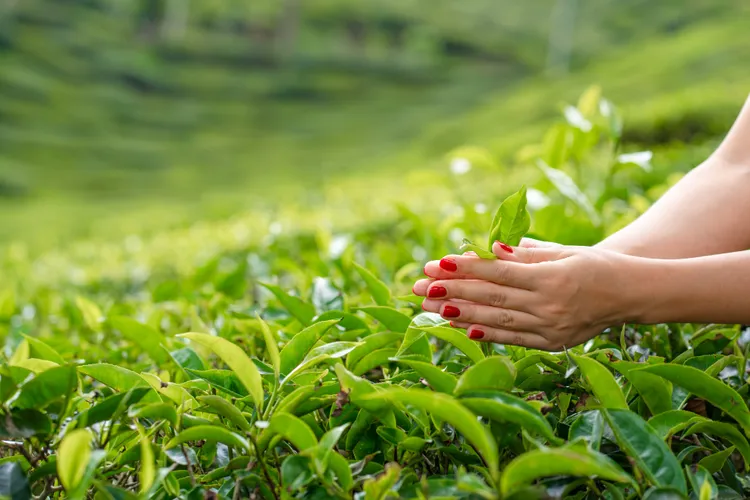
Every great ingredient has a geography. Champagne comes from Champagne. Parmigiano-Reggiano comes from Emilia-Romagna. And the world's finest matcha comes from three very specific regions of Japan, each shaped by centuries of tradition, specific microclimates, and deeply held local pride.
If you've ever bought a tin of matcha and noticed "Uji" or "Nishio" printed on the label, now you'll know exactly what that means - and why it matters. And if your matcha doesn't list an origin at all, that's worth knowing too.
First time here? Read Matcha 101: Why Not All Green Powders Are Created Equal for the full breakdown of grades and quality before diving into origins.
Why Origin Matters in Matcha
Origin isn't just prestige or marketing. In the world of matcha, geography directly influences quality in several concrete ways:
- Soil composition affects the mineral content and flavor complexity of the leaves
- Climate and temperature variation between seasons determines flavor development
- Local farming traditions - passed down through generations - determine how plants are cultivated, shaded, and harvested
- Regional infrastructure for processing and stone-grinding affects the final powder quality
Think of it like wine terroir. Two cups of matcha made from the same cultivar can taste remarkably different depending on where they were grown. Understanding how matcha is made helps explain why these regional differences are so pronounced.
Uji, Kyoto: The Birthplace of Matcha Culture
If there's a single place most associated with matcha in the Japanese imagination, it's Uji - a small city situated between Kyoto and Nara, along the Uji River.
Matcha has been cultivated in Uji since the 13th century, when Zen Buddhist monk Myoan Eisai brought tea seeds from China and established the first tea gardens in the region. By the 15th century, Uji had become the epicentre of Japanese tea culture, supplying the Imperial Court and developing the tea ceremony traditions that continue to this day.
What makes Uji special:
The Uji region benefits from a specific microclimate created by the convergence of three rivers - the Uji, Kizu, and Katsura - which generates morning mists that naturally moderate temperature and humidity. This mist creates ideal conditions for shade-grown tea, reducing the need for aggressive artificial shading and producing leaves of extraordinary delicacy.
Uji soil is rich in clay and minerals, contributing to the distinctive umami depth and sweetness that Uji matcha is famous for. The best Uji ceremonial grades have a complexity that's genuinely hard to find elsewhere.
Best for: Premium ceremonial grade matcha. Expect to pay more - but for a whisked cup or a special matcha latte, the quality difference is unmistakable.
What to look for on labels: "Uji matcha," "Kyoto matcha," or brands like Ippodo, Marukyu Koyamaen, or Tsujiri - all Uji-based producers with long histories.
Nishio, Aichi: The Workhorse of Japanese Matcha
While Uji gets the most prestige, Nishio in Aichi Prefecture is actually Japan's largest single matcha-producing region - accounting for roughly 40% of the country's total matcha output.
Nishio's rise as a matcha powerhouse began in the Meiji era (late 19th century), when the fertile Yahagi River basin and the region's consistent warm climate proved ideal for large-scale tea cultivation. Today, Nishio is home to some of Japan's most technically advanced tea processing facilities.
What makes Nishio special:
The Yahagi River deposits mineral-rich silt that creates highly fertile growing conditions. Nishio's climate - warm summers, mild winters, and adequate rainfall - supports consistent, high-yield production without sacrificing quality. The region is particularly known for producing excellent mid-range ceremonial and high-end culinary grades.
Nishio matcha tends to have a clean, slightly sweeter profile compared to the deeper umami of Uji - some people actually prefer it for lattes and baking because it integrates more harmoniously with milk and other flavors.
Best for: Everyday ceremonial drinking, lattes, and culinary applications. Nishio offers excellent value - you often get remarkable quality at a more accessible price point than equivalent Uji grades.
What to look for on labels: "Nishio matcha" or "Aichi matcha." Brands like Aiya (one of the world's largest matcha producers) are Nishio-based.
Kagoshima: The Rising Star
Kagoshima, at the southern tip of Kyushu island, is Japan's newest major matcha region - and it's growing fast.
The region's volcanic soil (from the still-active Sakurajima volcano) is extraordinarily mineral-rich, and the warm, subtropical climate allows for multiple harvests per year. Kagoshima has invested heavily in modern tea cultivation and processing infrastructure over the past two decades.
What makes Kagoshima special:
Kagoshima matcha tends to have a bolder, more robust flavor profile - less refined than Uji but with a distinctive earthy depth that makes it excellent for culinary applications. The mineral richness of volcanic soil comes through in the cup in a way that tea lovers find genuinely interesting.
It's also worth noting that Kagoshima's warmer climate means less reliance on the temperature variation that contributes to Uji and Nishio's signature sweetness. The result is a slightly more straightforward flavor - which in culinary contexts is often exactly what you want.
Best for: Culinary grade applications, everyday drinking, and people who prefer a more assertive, earthy matcha flavor. Also a great option if you want good quality at a lower price point.
Beyond the Big Three
Japan produces matcha in several other regions worth knowing:
- Shizuoka - Japan's largest overall tea-producing prefecture, known primarily for sencha but producing some matcha
- Mie Prefecture - Particularly the Wazuka area, producing high-quality teas with less international recognition but excellent flavor
- Fukuoka - Growing in reputation, particularly for Yame matcha
How to Choose Based on Origin
Here's a practical guide:
| Your Priority | Best Origin |
|---|---|
| Best ceremonial cup | Uji (Kyoto) |
| Everyday drinking, great value | Nishio (Aichi) |
| Culinary cooking and baking | Kagoshima or Nishio |
| Exploring something different | Mie or Fukuoka |
| Unknown origin on label | Approach with caution |
For specific brand recommendations by origin, see our Best Matcha Powders of 2025, Ranked - we've tested products from each region and given honest assessments.
The Red Flag: No Origin Listed
If a matcha product doesn't list its region of origin - only "Japan" or worse, no country at all - treat it as a yellow flag at minimum. Reputable producers are proud of where their matcha comes from. Vague labeling often means blended sources, inconsistent quality, or origin from outside Japan's premium regions.
This doesn't mean every unlisted-origin matcha is bad, but it does mean you're buying blind. For anything you plan to drink ceremonially, origin transparency is non-negotiable. See How to Read a Matcha Label for the full rundown of what to look for.
🔗 Continue Exploring
Latest