Common Bread Baking Problems and How to Fix Them
Bread baking can feel incredibly rewarding - until your beautifully mixed dough turns into a dense brick or a loaf that collapses in the oven. The good news is that nearly every bread mishap has a simple explanation and an even simpler fix. Understanding what’s happening inside your dough is the key to turning frustration into beautifully baked, bakery-worthy loaves.
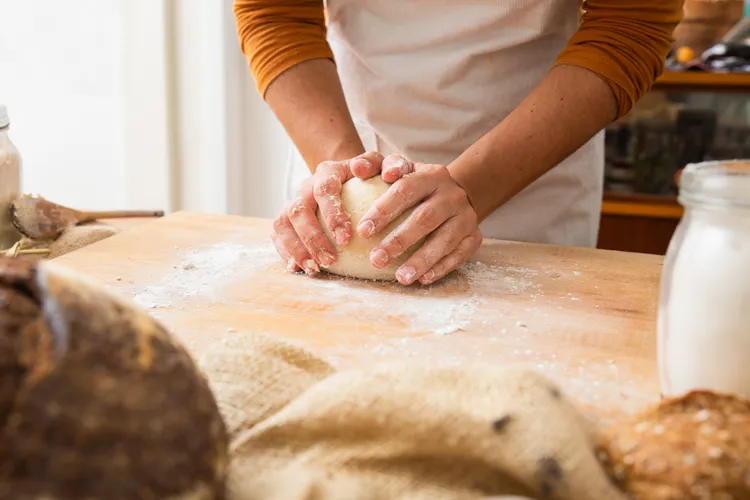
Bread baking is one of those kitchen adventures that feels wonderfully old-fashioned - part science, part intuition, and part stubborn determination. Yet even the most seasoned home bakers run into loaves that collapse, crusts that shatter, or doughs that behave like moody toddlers. The comforting truth is that nearly every bread mishap has a clear cause, and even better, a reliable fix. Understanding what’s happening inside your dough gives you the power to rescue your next loaf and turn frustration into confidence. Consider this your warm, flour-dusted guide to diagnosing what went wrong and - more importantly - how to make it right.
It often begins with the dough itself: too sticky, too stiff, too sluggish, or too eager to rise. If your dough spreads out instead of holding shape, it’s usually a hydration imbalance or under-developed gluten. A dough that feels loose and slack can’t trap gas effectively, which means the loaf will bake up flat rather than tall. The remedy is simple - add a touch more flour during mixing, but do it gradually, allowing the dough to become elastic rather than dense. On the opposite end, dough that’s too dry resists stretching and tears easily. This often leads to loaves with tight crumb and cracked, uneven tops. Adding water in small increments and giving the dough extra kneading time usually restores flexibility. Bread dough is forgiving when you understand what it's trying to tell you.
Then there’s the rise - the stage where so much can go right or wrong. If your bread doesn’t rise enough, your yeast may be tired, inactive, or shocked by liquids that were too hot. Water hotter than 120°F begins to kill yeast, and even slightly overheated milk or butter can slow fermentation dramatically. If the rise seems stubbornly slow, test your yeast in warm water with a pinch of sugar; if it foams after a few minutes, you’re safe to proceed. Also keep an eye on your kitchen environment. Cold rooms slow yeast activity, causing dough to under-proof. On the other hand, warm spots - like a sunny windowsill or near a preheating oven - encourage a steadier rise. When dough rises too long, however, it becomes over-proofed. This is the culprit behind loaves that deflate right before baking or collapse in the oven. Over-proofed dough exhausts its gas supply and loses its ability to hold structure. Punching it down gently and giving it a shorter second rise often restores balance, saving your loaf from becoming a pancake.
Texture problems may not look dramatic, but they affect every slice. A dense, gummy crumb is usually the result of either poor gluten development, insufficient kneading, or under-baking. Gluten is the scaffold of bread - it traps air pockets and gives bread its characteristic chew. Kneading aligns gluten strands and strengthens the dough, so a quick or incomplete knead leads to squat loaves with compact interiors. If your crumb feels sticky even when fully cooled, your bread likely needed more baking time. Internal temperature matters: most yeast breads finish at around 190–200°F, while enriched breads may need to reach closer to 205°F because the fats slow the structure from setting. An inexpensive instant-read thermometer is a bread baker’s secret weapon.
If your crust is causing trouble - too thick, too pale, too tough, or too soft - the solution usually lies in moisture and heat. A crust that’s pale and soft often means the oven wasn’t hot enough, steam was lacking, or sugar was minimal. Boosting initial oven temperature by 15-25 degrees helps jump-start browning, while brushing with milk or egg wash adds color. Introducing steam - like placing a small pan of hot water on the lower rack or misting the dough before baking - encourages shine and expansion before the crust sets. On the other hand, if your crust feels overly tough or brick-like, you may be baking too long or too dry. Reducing bake time slightly or lowering the final minutes’ temperature usually solves the issue. Letting the bread cool on a rack prevents condensation from softening the crust unevenly.
Shaping problems are another common frustration. Sloppy shaping leads to spreading loaves, irregular holes, and lopsided results. Dough needs tension - created by gently stretching the surface and tucking the edges under - to rise upward rather than outward. A smooth, taut surface traps gas inside and promotes an even crumb. If your loaf tears at the seams while baking, it’s a clue that the dough was either under-proofed or shaped without enough seam sealing. Pinching seams tightly and letting the dough rest if it resists shaping make a noticeable difference.
Sometimes the flavor itself feels off - too yeasty, too bland, too sour, or simply “flat.” Strong yeast flavor typically means the dough fermented too long or too warm. Cutting back on rise time or using cooler water can help. If your bread tastes dull, try increasing the salt slightly - salt doesn’t just season the dough; it strengthens gluten and balances fermentation. For richer aroma, allow a longer, cooler rise; slow fermentation develops deeper flavor, which is why overnight doughs often taste superior. If your bread tastes unexpectedly sour, especially in yeasted (non-sourdough) recipes, it could be over-fermentation. Reducing rise time or lowering dough temperature tightens the flavor profile again.
Even when everything seems right, sometimes the loaf just doesn’t look the way you imagined. Cracked tops often result from skipping the scoring step or scoring too shallowly. Proper scoring gives the dough a controlled release point as it expands in the oven. Random cracking happens when the dough tries to expand but has nowhere to go, so it breaks through the weakest spots in the crust. Decorative scoring not only prevents this - it makes your loaf visually stunning.
The beauty of bread baking is that every imperfect loaf teaches you something new. Once you learn to interpret the subtle signs - slack dough, sluggish rise, pale crust - you gain the ability to correct issues before they become disappointments. With each bake, your instincts sharpen, your hands learn the feel of perfect gluten development, and your confidence rises just like a well-proofed dough. Bread baking isn’t about achieving perfection on the first try; it’s about enjoying the quiet, rewarding process of turning simple ingredients into something warm, fragrant, and deeply satisfying. And when small problems do arise, remember: every baker faces them, and every fix brings you closer to consistently beautiful loaves.
Latest