Why Vegetables Come Out Soggy
You season them well. You roast them long enough. And still - they come out soft, watery, and pale. The problem isn’t the vegetables. It’s how moisture and heat are working against you.
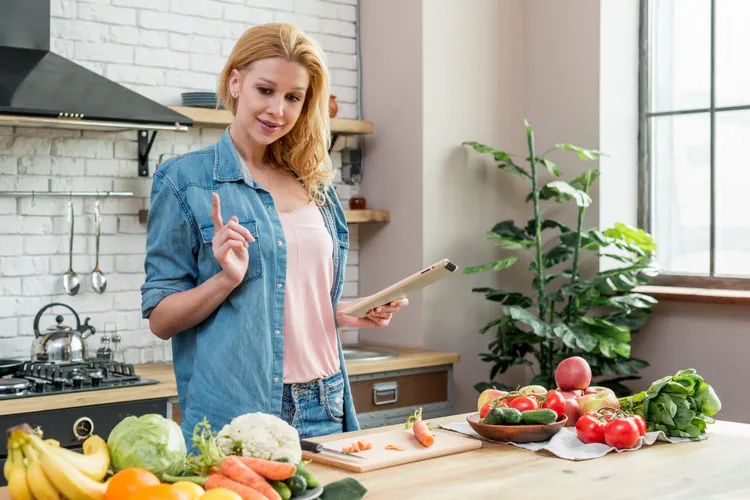
The real reasons your roasted and sautéed vegetables never get crispy
Crispy roasted vegetables are one of the simplest kitchen victories.
Deep browning. Caramelized edges. Tender centers.
But for many home cooks, vegetables turn out soft instead of crisp - almost steamed rather than roasted.
It’s frustrating because the ingredients are right. The oven is hot. The timing seems correct.
So what’s going wrong?
Almost always, the answer is moisture management and heat control.
Vegetables are mostly water. If that water doesn’t evaporate properly, crispness is impossible.
Once you understand how moisture behaves, you can fix soggy vegetables permanently.
The Core Problem: Water Is Winning
Vegetables contain between 70-95% water.
When heated, that water:
-
Moves to the surface
-
Turns to steam
-
Either escapes - or gets trapped
If steam escapes → vegetables brown and crisp.
If steam gets trapped → vegetables soften and steam.
Your job is simple:
Create conditions where moisture leaves quickly.
1. Overcrowding the Pan
This is the most common mistake.
When vegetables are packed tightly together:
-
steam has nowhere to go
-
moisture accumulates
-
surfaces stay wet
Wet surfaces cannot brown.
What Proper Spacing Looks Like
Vegetables should sit in a single layer with small gaps between pieces.
If they overlap, they steam.
The Fix
Use:
-
a larger baking sheet
-
two trays instead of one
Air circulation equals evaporation.
2. Oven Temperature Too Low
Crisping requires high heat.
If your oven is set below 200°C / 400°F, vegetables often soften before browning.
Why High Heat Matters
Browning happens through a reaction that begins around 140°C / 285°F (surface temperature).
If moisture lingers, that temperature is never reached.
Ideal Roasting Range
220°C / 425°F
or even 230°C / 450°F for sturdy vegetables.
Higher heat accelerates evaporation.
3. Not Preheating Properly
Putting vegetables into a lukewarm oven delays moisture evaporation.
During this delay:
-
water leaks out
-
vegetables soften
Always preheat fully before adding the tray.
Even better:
Preheat the tray itself for 5 minutes before adding vegetables.
Hot surface = immediate sizzle.
4. Too Much Oil (Yes, Really)
Oil is necessary - but excess oil traps moisture.
If vegetables are swimming in oil:
-
they fry unevenly
-
steam forms underneath
-
texture turns greasy-soft
The Right Amount
Enough to lightly coat - not pool.
Toss in a bowl first, don’t drizzle on tray.
5. Cutting Vegetables Too Small
Tiny pieces release water quickly and lose structure.
Large pieces:
-
retain shape
-
brown more evenly
-
dry out less
Compare
| Small Cubes | Larger Chunks |
|---|---|
| soften fast | caramelize better |
| dry out | maintain contrast |
Bigger cuts often mean better texture.
6. Salting at the Wrong Time
Salt pulls water from vegetables.
If you salt and let them sit before cooking, they release moisture early.
For roasting:
-
Salt right before cooking
-
Don’t let them sit long after salting
For high-water vegetables (zucchini, eggplant):
-
Salting ahead can help remove excess water - but pat dry before roasting.
Timing matters.
7. Not Drying Vegetables After Washing
Residual water is the enemy of browning.
If vegetables are damp:
-
they steam
-
oil slides off
-
browning slows
Always pat dry with a towel before oiling.
This single step changes results dramatically.
8. Using the Wrong Pan
Dark metal pans conduct heat better than glass or ceramic.
Glass dishes retain moisture and cook more slowly.
For crisp vegetables:
-
use heavy metal sheet pans
-
avoid deep dishes
Surface contact equals browning.
9. Stirring Too Often
Constant flipping interrupts browning.
Vegetables need uninterrupted contact with heat.
Flip once halfway through - not every few minutes.
Patience builds crust.
10. Expecting All Vegetables to Behave the Same
Different vegetables contain different water levels.
High-water vegetables:
-
zucchini
-
mushrooms
-
eggplant
Need higher heat and more space.
Dense vegetables:
-
carrots
-
potatoes
-
cauliflower
Brown more easily.
Adjust method accordingly.
Quick Crisping Checklist
Before roasting, confirm:
-
Oven fully preheated
-
Vegetables fully dry
-
Single layer spacing
-
Proper oil coating
-
High temperature
-
Correct pan type
If even one element fails, texture suffers.
The Science of Browning
Crisp texture requires:
-
Water evaporation
-
Surface temperature increase
-
Sugar caramelization
If moisture stays, browning cannot begin.
Dry surface = crisp edges.
That’s the entire secret.
Sautéing Problems: Why Vegetables Turn Watery in a Pan
Same rules apply.
If your pan:
-
isn’t hot enough
-
is overcrowded
-
or vegetables are added cold and wet
They release water faster than it can evaporate.
Fix
-
Heat pan first
-
Add vegetables in batches
-
Avoid stirring constantly
Let heat do the work.
Why Restaurants Get It Right
Professional kitchens:
-
use very hot ovens
-
avoid crowding
-
preheat trays
-
cook in batches
It’s not better ingredients.
It’s better moisture control.
Crispness Is About Control
Soggy vegetables aren’t a seasoning problem.
They’re a moisture problem.
Control water, control texture.
Once you focus on evaporation instead of just timing, everything changes.
Vegetables start browning.
Edges caramelize.
Flavor deepens.
And suddenly, vegetables don’t feel like an obligation.
They feel like the best part of the meal.
Latest