Do you really need to wash rice?
Washing rice is one of the most debated steps in home cooking. Some insist it’s essential; others skip it entirely. The truth depends on what you’re cooking - and understanding why makes all the difference.
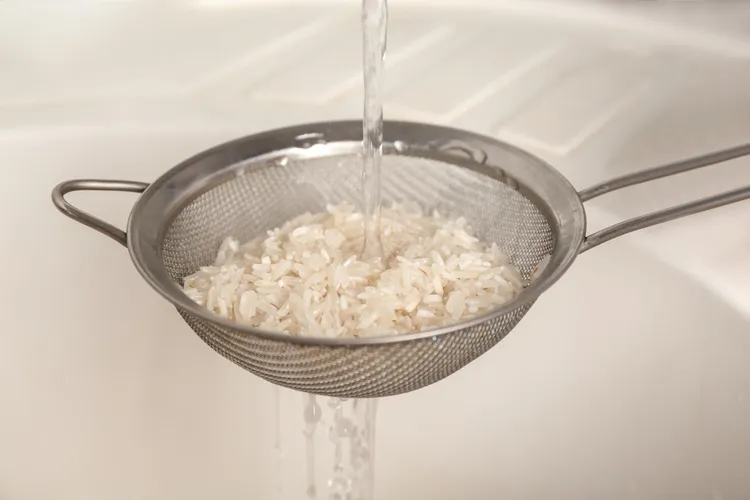
The practical guide to rinsing, starch, and better texture
Rice seems simple: add water, cook, eat.
Yet few ingredients spark more kitchen debate.
Should you rinse it?
Rinse until the water runs clear?
Never wash it?
Does it remove nutrients?
Does it change texture?
The answer isn’t a strict yes or no. It’s about understanding starch - and what kind of rice dish you’re trying to make.
When you know what rinsing actually does, you stop guessing and start controlling results.
What Happens When You Wash Rice?
Rice grains are coated in surface starch. During processing and packaging, tiny starch particles cling to the exterior.
When rice hits hot water:
-
That surface starch dissolves.
-
It thickens cooking liquid.
-
It can make grains stick together.
Rinsing removes loose surface starch - but not the starch inside the grain.
So washing rice doesn’t change the rice itself.
It changes how much exterior starch enters the cooking water.
The Case for Washing Rice
There are three main reasons people rinse rice.
1. Texture Control (The Most Important Reason)
If you want:
-
fluffy grains
-
separated texture
-
light consistency
Rinsing helps.
By removing excess surface starch, grains cook more independently.
This matters especially for:
-
long-grain white rice
-
jasmine rice
-
basmati rice
Without rinsing, these varieties can clump or feel sticky.
2. Removing Dust and Debris
Rice is an agricultural product. Rinsing removes:
-
excess starch dust
-
occasional small particles
In most modern packaged rice, this is minimal - but rinsing adds reassurance.
3. Preventing Gummy Texture
When too much loose starch cooks in the pot, it forms a glue-like layer.
That’s why unwashed rice sometimes turns out:
-
heavy
-
slightly pasty
-
overly sticky
Rinsing reduces that risk.
When You Should Not Wash Rice
This is where many home cooks get it wrong.
Some recipes depend on surface starch.
1. Risotto
Classic risotto relies on starch release to create creaminess.
If you rinse rice for risotto, you remove the very element that makes it silky.
Result:
-
thinner texture
-
less body
-
less cohesion
For dishes like risotto, starch is desirable.
2. Rice Pudding
Creamy desserts require starch to thicken milk.
Rinsing reduces that natural thickening power.
3. Paella (Usually)
Some traditional paella preparations skip rinsing because surface starch helps bind flavor into the rice.
The Nutrient Debate: Does Washing Remove Nutrition?
Many rice varieties are enriched with added vitamins.
In some regions, rinsing may reduce those added nutrients.
If your rice packaging says “enriched,” consider skipping heavy rinsing.
However:
The nutritional loss is generally small compared to overall diet quality.
Texture matters more in most home kitchens.
How to Wash Rice Properly (If You Choose To)
Overwashing wastes time. Underrinsing defeats the purpose.
Here’s the practical method:
-
Place rice in bowl.
-
Add cold water.
-
Swirl gently with fingers.
-
Drain cloudy water.
-
Repeat 2–3 times.
You don’t need perfectly clear water. Slight cloudiness is fine.
The goal is to remove excess starch - not every trace of it.
Comparing Results: Washed vs Unwashed
| Feature | Washed Rice | Unwashed Rice |
|---|---|---|
| Texture | lighter, separate | stickier |
| Cooking water | clearer | cloudy |
| Best for | plain rice dishes | creamy dishes |
| Risk | slightly drier | slightly gummy |
The difference isn’t dramatic - but it’s noticeable.
The Rice Variety Factor
Different types behave differently.
Long-Grain Rice
Usually benefits from rinsing for fluffier texture.
Short-Grain Rice
Naturally sticky. Rinsing reduces - but doesn’t eliminate - stickiness.
Brown Rice
Contains less surface starch. Rinsing is optional.
Sushi Rice
Often rinsed thoroughly to control stickiness while preserving structure.
The Bigger Question: What Texture Do You Want?
Instead of asking “Should I wash rice?” ask:
“What texture does this dish need?”
-
Light and fluffy → rinse
-
Creamy and cohesive → skip
-
Unsure → rinse lightly
Cooking becomes more intentional when texture is the goal.
Common Mistakes
Soaking for too long unintentionally
→ changes water ratio
Not adjusting water after rinsing
→ usually fine, but heavy soaking requires slight reduction
Over-rinsing aggressively
→ unnecessary effort
A Simple Rule for Home Cooks
If cooking plain rice as a side dish:
Rinse.
If cooking rice as part of a creamy or starchy dish:
Skip.
When in doubt, rinse lightly - it’s safer for everyday cooking.
It’s Not Tradition - It’s Technique
Rice washing isn’t about right or wrong.
It’s about understanding how starch behaves.
Professional kitchens don’t rinse automatically.
They rinse with intention.
Once you decide based on texture - not habit - your rice becomes consistent.
And consistent results are what turn basic ingredients into reliable meals.
Because in the end, rice isn’t complicated.
It just responds to what you do before it ever hits the heat.
Latest