Yogurt - The Secret Weapon in Savory Cooking
Yogurt is often reserved for breakfast bowls and smoothies, but its real power shows up in savory cooking. It tenderizes meat, balances spice, thickens sauces, and adds brightness in seconds. Once you start using it intentionally, it becomes one of the most versatile ingredients in your kitchen.
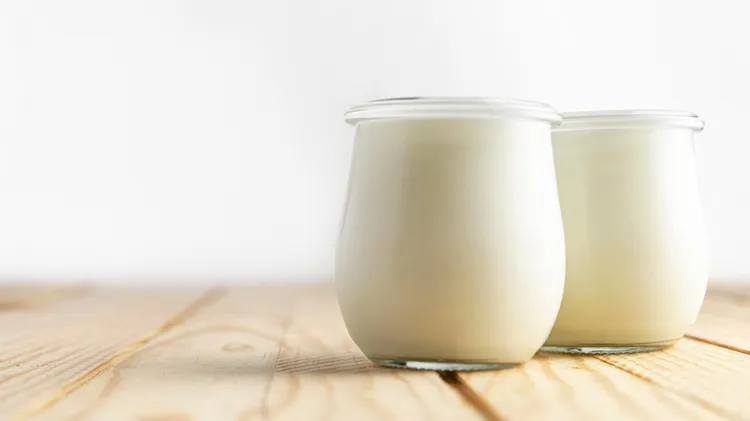
Creamy, tangy, powerful - and probably already in your fridge
Some ingredients quietly do more work than others.
Yogurt is one of them.
In savory cooking, it functions as a marinade, a sauce base, a tenderizer, a thickener, and even a cooling contrast to heat. It adds richness without heaviness and brightness without sharp acidity.
Professional kitchens rely on it constantly. Home cooks often overlook it.
If you’ve only used yogurt for breakfast, you’re missing one of the most adaptable tools in everyday cooking.
Why Yogurt Works So Well in Savory Recipes
Yogurt has three qualities that make it exceptional:
-
Acidity - gentle, rounded tang
-
Fat - creamy texture and flavor carrier
-
Protein - thickening and tenderizing power
That combination makes it more versatile than cream, milk, or sour cream in many situations.
It can lighten dishes or deepen them, depending on how it’s used.
Yogurt vs. Cream vs. Sour Cream
Understanding the differences helps you use yogurt strategically.
| Ingredient | Texture | Acidity | Best Use |
|---|---|---|---|
| Cream | rich, heavy | low | richness |
| Sour cream | thick, tangy | medium | topping |
| Yogurt | creamy, fresh | balanced | cooking + marinades |
Yogurt offers creaminess without excessive fat and acidity without sharpness.
That balance makes it flexible.
1. Yogurt as a Marinade: Tender and Flavorful
This is where yogurt truly shines.
Why It Works
Yogurt contains mild acids and enzymes that:
-
break down protein gently
-
retain moisture
-
help spices adhere
Unlike vinegar or lemon juice, yogurt tenderizes without toughening.
How to Use It
Mix yogurt with:
-
garlic
-
salt
-
spices
-
olive oil
Coat chicken, lamb, or vegetables.
Marinate 2-24 hours.
The result:
-
juicier meat
-
deeper seasoning
-
beautiful browning
Yogurt forms a coating that caramelizes during cooking.
2. Yogurt as a Sauce Base
One of the fastest ways to upgrade a meal is with a yogurt sauce.
Basic Formula
Yogurt + acid + salt + aromatics
Examples:
-
yogurt + lemon + garlic
-
yogurt + herbs + olive oil
-
yogurt + cucumber + dill
It pairs with:
-
roasted vegetables
-
grilled meat
-
grain bowls
-
wraps
Why It Works
The acidity cuts richness.
The creaminess smooths texture.
The protein thickens naturally.
No cooking required.
3. Yogurt in Soups and Stews
Instead of heavy cream, stir in yogurt.
The Technique
Important: temper it.
-
Remove hot soup from heat.
-
Stir a spoonful of soup into yogurt.
-
Add mixture back to pot slowly.
This prevents curdling.
Why It Works
Yogurt adds body and brightness without making soup heavy.
It’s ideal for:
-
lentil soups
-
tomato soups
-
spiced vegetable stews
4. Yogurt for Balancing Spicy Food
Spice without balance feels aggressive.
Yogurt softens heat without muting flavor.
It cools dishes naturally because fat binds to capsaicin - the compound that creates heat.
Add yogurt to:
-
spicy curries
-
chili
-
roasted peppers
It creates contrast instead of overpowering.
5. Yogurt in Salad Dressings
Replace mayonnaise or cream-based dressings.
Simple Dressing Formula
Yogurt + mustard + vinegar + olive oil
Thick, fresh, and lighter.
Perfect for:
-
potato salad
-
coleslaw
-
grain salads
6. Yogurt in Savory Baking
Yogurt improves texture in:
-
flatbreads
-
savory muffins
-
quick breads
-
pizza dough
Why It Works
Acidity reacts with baking soda.
Protein improves structure.
Fat enhances tenderness.
You get softer, more flavorful results.
Choosing the Right Yogurt
Not all yogurt behaves the same.
Greek Yogurt
-
thicker
-
higher protein
-
best for sauces and marinades
Regular Yogurt
-
looser
-
good for soups
Full-Fat vs Low-Fat
Full-fat resists curdling better and tastes richer.
For savory cooking, full-fat or 2% performs best.
How to Prevent Yogurt from Curdling
This is the main fear for home cooks.
Follow these rules:
-
Avoid boiling after adding yogurt
-
Temper before mixing
-
Use full-fat versions
-
Add at end of cooking
Low heat protects structure.
Common Mistakes
Adding yogurt to boiling liquid
→ separation
Using flavored yogurt accidentally
→ unwanted sweetness
Overheating after adding
→ grainy texture
Not salting properly
→ flat taste
Yogurt enhances flavor, but it still needs seasoning.
The 5-Minute Yogurt Upgrade Ideas
When unsure how to use yogurt, try:
-
Stir into roasted vegetables
-
Dollop over grilled meat
-
Mix with herbs for dipping sauce
-
Swirl into soup
-
Use instead of mayonnaise in sandwiches
These small swaps create noticeable improvement.
Why Yogurt Is a Weeknight Hero
It’s affordable.
It’s versatile.
It lasts longer than cream.
It requires no cooking.
Most importantly, it solves multiple kitchen problems:
-
dry meat
-
heavy sauces
-
overly spicy dishes
-
bland grains
Few ingredients offer that range.
The Ingredient That Does More Than You Think
Yogurt doesn’t demand attention.
It quietly improves texture, balances flavor, and adds depth.
Used correctly, it makes food taste fresher without complicating recipes.
You don’t need new techniques - just new awareness.
Next time something feels flat, heavy, or dry, consider yogurt before reaching for cream or butter.
It might already be in your fridge.
And it might be the most underused savory ingredient in your kitchen.
Latest