How One Simple Ingredient Changes a Dish Completely
Sometimes the difference between a “fine” meal and a wow meal comes down to just one ingredient. Not a complicated recipe or expensive technique - just a small, thoughtful addition. Understanding how one simple ingredient can change a dish completely can make cooking feel easier, more creative, and far more satisfying.
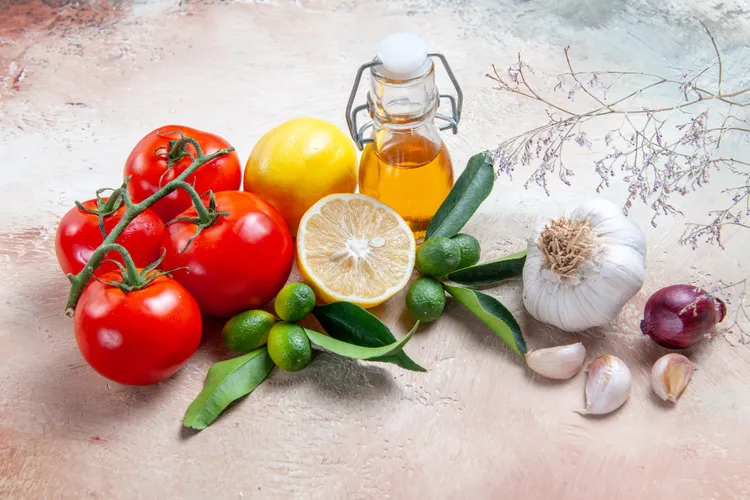
You don’t need a pantry full of specialty items to cook food that tastes amazing.
Often, the most memorable dishes rely on one small but powerful ingredient - something that shifts flavor, texture, or aroma in a way that changes everything.
Once you notice this, cooking becomes less about following rules and more about listening to what a dish needs.
Why Small Changes Have Big Impact in Cooking
Flavor works in layers.
Even a simple dish contains:
-
Base ingredients (grains, vegetables, protein)
-
Fat (oil, butter, cream)
-
Salt
-
One or two elements that bring everything together
That final element - the “finisher” - is often what transforms the dish from ordinary to unforgettable.
The Psychology of Flavor: Why We Notice One Ingredient
Our brains are wired to notice contrast.
One added ingredient can:
-
Create brightness
-
Add depth
-
Balance richness
-
Change how the dish feels emotionally
This is why a squeeze of lemon can wake up a soup, or a sprinkle of cheese can make vegetables feel comforting.
Ingredient №1: Acid (The Wake-Up Call)
A tiny amount of acid can completely shift a dish.
Examples:
-
Lemon juice
-
Vinegar
-
Yogurt
-
Tomatoes
What it does:
-
Brightens heavy flavors
-
Balances fat
-
Makes food taste fresher
Without acid, many dishes taste flat - even if they’re well seasoned.
Ingredient №2: Fat (The Comfort Factor)
Fat carries flavor and adds satisfaction.
Examples:
-
Butter
-
Olive oil
-
Cream
-
Coconut milk
What it does:
-
Adds richness
-
Softens sharp flavors
-
Makes food feel indulgent
One spoon of fat can turn plain food into comfort food.
Ingredient №3: Salt (The Amplifier)
Salt doesn’t just make food salty.
It enhances everything else.
What salt does:
-
Brings out natural flavors
-
Reduces bitterness
-
Creates balance
Often, a dish doesn’t need more spices - it needs the right amount of salt.
Ingredient №4: Texture (The Surprise Element)
Texture changes how we experience food.
Examples:
-
Crunchy nuts on soft vegetables
-
Crispy toppings on creamy soups
-
Seeds or croutons
Texture keeps food interesting and satisfying - especially in simple meals.
Ingredient №5: Aromatics (The Memory Maker)
Smell is strongly tied to memory.
Aromatic ingredients include:
-
Garlic
-
Onion
-
Herbs
-
Spices
Adding one aromatic at the right moment can instantly change how a dish feels - warm, fresh, cozy, or vibrant.
How One Ingredient Can Shift the Entire Mood of a Dish
Food isn’t just physical - it’s emotional.
One ingredient can make food feel:
-
Cozy instead of light
-
Fresh instead of heavy
-
Comforting instead of bland
Think of cinnamon in oatmeal or cheese in vegetables. The base is the same - the feeling is completely different.
Examples of Simple Ingredient Transformations
-
Rice + butter = comfort
-
Vegetables + cheese = familiarity
-
Soup + lemon = brightness
-
Eggs + herbs = freshness
-
Potatoes + cream = richness
The base stays the same. The experience changes.
Why This Matters for Everyday Cooking
When you understand this concept:
-
You rely less on recipes
-
You waste fewer ingredients
-
You cook with confidence
Instead of asking “What recipe should I follow?” you ask: “What does this dish need?” That shift changes everything.
Cooking Becomes Easier When You Stop Overcomplicating
Many people feel overwhelmed by cooking because they think great food requires:
-
Long ingredient lists
-
Advanced skills
-
Perfect execution
In reality, it often requires just one thoughtful choice.
How to Start Using This Today
Next time you cook:
-
Taste the dish.
-
Ask what feels missing.
-
Add one small thing - not five.
Trust that small changes are enough.
One Ingredient Is Often All It Takes
Great cooking isn’t about doing more - it’s about doing less, better.
One simple ingredient can:
-
Elevate flavor
-
Improve texture
-
Change how food feels
Once you learn to recognize that, cooking becomes intuitive, creative, and deeply satisfying.
Latest