How to Get Consistent Results When Baking in Different Types of Pans
Switching pans can completely change the outcome of a recipe - even when you follow every step perfectly. Different materials, colors, and shapes absorb and distribute heat in dramatically different ways, leading to uneven browning, unexpected rise, or inconsistent textures. Understanding how pans behave is the secret to getting predictable, reliable baking results every single time.
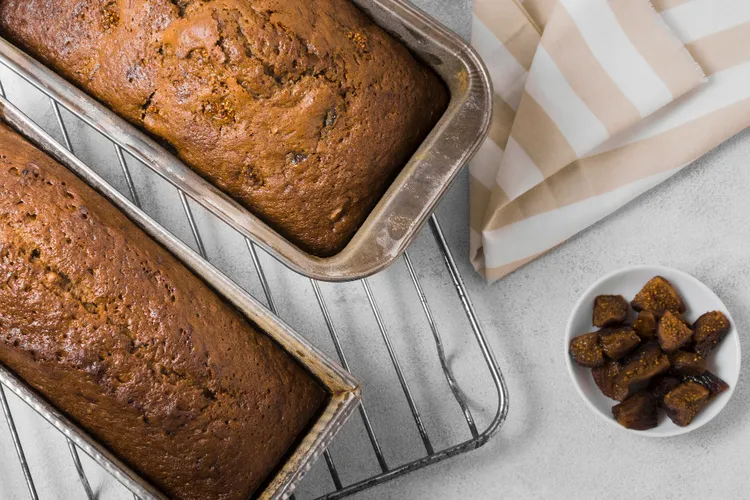
When you follow a recipe exactly - same ingredients, same temperatures, same steps - you expect the results to come out the same every time. But the moment you switch to a different pan, even if the recipe stays identical, everything can change. Suddenly your cake bakes faster, your brownies are drier at the edges, or your cookies spread more than usual. It’s not magic, and it’s not your fault. The type of pan you use plays a far bigger role in baking consistency than most home bakers realize. Understanding how materials, color, thickness, and shape affect heat transfer is the key to getting reliable, repeatable results no matter what pans you have in your kitchen.
The foundation of pan performance comes down to how each material absorbs and distributes heat. Dark metal pans, for example, heat quickly and intensely, resulting in faster browning and shorter bake times. They’re great for cookies or crispy-edged brownies, but they can cause cakes to overbrown or dry out if you don’t adjust your timing. Light metal pans reflect heat, giving you a gentler bake that’s ideal for delicate cakes and pastries. This is why some recipes specify “light-colored aluminum pans” - their even heat distribution helps maintain consistent texture without harsh browning.
Then there’s the unique behavior of glass pans. Glass heats more slowly than metal, but holds onto heat much longer. This means your baked goods may take longer to get going, but once they’re hot, they continue cooking - even after coming out of the oven. That lingering heat is why casseroles and pies can bubble beautifully in glass, but brownies often end up overbaked around the edges. When swapping metal for glass, lowering the oven temperature by 25°F (about 15°C) can help keep the exterior from overbaking before the interior sets.
Ceramic pans share some of these characteristics, but they offer even gentler heat. They’re excellent for custards, cheesecakes, and dishes that require slow, even baking. However, they can also lead to uneven results if the recipe relies on quick heat rise for lift, such as in sponge cakes or muffins. A ceramic dish might look beautiful on your table, but it may not be the strategic choice when you need precision and structure.
Thickness also plays a major role in performance. Thin pans heat rapidly and lose heat quickly, making them less predictable. You might get burnt bottoms one day and pale edges the next. Thicker, heavier pans - especially professional-grade aluminum - provide a steadier environment, reducing temperature fluctuations and improving consistency. They also resist warping, something that can cause batter to pool unevenly and bake lopsidedly. If you’ve ever wondered why one batch of cookies baked beautifully while another spread uncontrollably on the same sheet, pan thickness was likely a factor.
One often-overlooked variable is the size and shape of the pan. A few inches can drastically change baking behavior. Switching from an 8-inch square pan to a 9-inch one doesn’t sound dramatic, but it increases the surface area, making the batter spread thinner and bake faster. Cakes become shorter, brownies become drier, and bars lose their chewiness. When your batter is deeper, it needs more time to cook through; when it’s shallower, it cooks more quickly. The rule of thumb is simple: if you change pan size, expect to adjust baking time accordingly.
Even the color of your pan can make a difference. Darker pans absorb more heat and brown faster. Shiny or reflective pans slow browning. Many professional bakers choose light-colored aluminum pans for their predictable, even heating, while home bakers often unknowingly mix and match colors and wonder why outcomes vary from batch to batch. If you switch from a light pan to a dark one, reduce the temperature slightly or check for doneness earlier to avoid overshooting your target.
And let’s not forget nonstick coatings. While incredibly convenient, nonstick surfaces promote faster browning and can cause cookies or bars to spread more because the batter loses the friction it would normally have against bare metal. This doesn’t mean you shouldn’t use nonstick pans - it just means you may need to tweak chill time for dough or adjust the bake time slightly to maintain consistency.
To get reliable results across different pans, one of the best habits you can develop is simply knowing how your pans behave. Pay attention to which pans give you darker edges, which bake taller cakes, which warp, which brown too quickly, and which always give you consistent results. Often, the solution isn’t changing the recipe - it’s changing how you adapt it to the pan in front of you. For example, if you’re using a glass dish for brownies, lower the temperature slightly and watch the edges. If you’re using a dark metal pan for banana bread, tent the loaf with foil halfway through to prevent overbrowning. If you switch from ceramic to aluminum for muffins, expect a faster rise and a richer golden color.
Another overlooked skill is knowing when to check for doneness. Recipes provide estimated times based on specific pans, but once you change pans, time becomes flexible. Rely on visual cues - golden color, set centers, edges pulling away, or a clean toothpick - to decide when something is truly done. Your pan may bake five minutes faster or ten minutes slower than the recipe suggests, and that’s perfectly normal.
There’s also a strategic side to pan preparation. Greasing only the bottom of a cake pan, for instance, helps the batter cling to the sides and rise properly. Using parchment in the right way prevents sticking without altering heat contact. Choosing whether to dust with flour or cocoa can influence both release and browning. These small adjustments layer together to create consistent baking environments, even when other variables shift.
The more you bake, the more you learn that pans aren’t passive tools - they’re active partners in your process. Each one has strengths and quirks, and once you understand them, you gain remarkable control over your results. Instead of being frustrated by unexpected outcomes, you’ll start predicting them. Instead of guessing, you’ll know exactly how your batter will behave in glass, metal, ceramic, or nonstick. Each pan becomes part of your baking strategy.
Getting consistent results across different pans isn’t about memorizing rules - it’s about reading your tools, watching your oven, and making small, thoughtful adjustments. With time and practice, you’ll find that every recipe becomes adaptable, every outcome predictable, and every bake more successful. When you control how your pans influence heat, you control your baking - and that’s the secret behind truly reliable, bakery-quality results at home.
Latest