How to Make Bakery-Style Muffin Tops at Home
There’s a reason everyone loves the muffin top - it’s golden, domed, slightly crisp, and packed with flavor. But getting that signature bakery-style crown at home can feel impossible if your muffins always bake up flat or uneven. With a few smart tweaks to your batter, oven temperature, and technique, you can create tall, impressive muffin tops that look (and taste) like they came straight from a café display case.
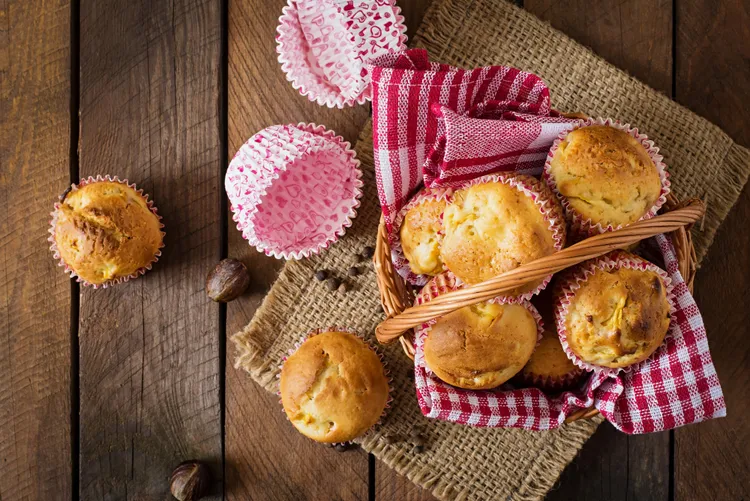
Bakery-style muffin tops have an unmistakable charm - the golden, domed crown with crackly edges, the tender crumb inside, and that slightly caramelized flavor that makes the top the very best part. For home bakers, though, recreating those lofty, picture-perfect muffin tops can feel frustratingly elusive. Too often, muffins come out flat, pale, or uneven, missing the signature rise and texture found in your favorite café treats. But the truth is, bakery-style muffin tops aren’t a matter of secret ingredients - they’re the result of understanding batter behavior, oven temperature, and a few strategic baking techniques that give muffins the dramatic lift they need to form that glorious crown.
It all starts with the batter consistency. Bakery-style muffins use a thick, scoopable batter rather than a pourable one. This thicker base supports upward rise instead of spreading outward. The key is balancing flour, leavening, and moisture so the batter holds structure without becoming dense. Too much liquid leads to flat, weak tops; too little makes dry muffins. A good rule of thumb is that the batter should fall off a spoon in slow, heavy clumps. If yours is thin, adding a tablespoon or two of flour can bring it back into the ideal range without compromising flavor.
Another essential factor is mastering muffin mixing technique, especially the method known as “the muffin method,” where wet and dry ingredients are combined gently. Overmixing activates too much gluten, making the batter tight and preventing muffins from doming properly. Lumps are not only acceptable but necessary - smooth batter almost always leads to peaked centers or rubbery texture. Stir just until the flour disappears, then stop. If you’re folding in berries or chocolate chips, add them before the flour is fully incorporated so mixing stays gentle.
Now for one of the biggest bakery secrets of all: the high-heat start. Professional bakeries use powerful ovens that deliver strong initial heat, giving muffins explosive lift in the first few minutes. You can mimic this at home by preheating your oven to a higher temperature - usually around 425°F (220°C) - and baking the muffins at that heat for the first five minutes. This rapid heat causes the leavening agents to activate quickly and forces the batter upward, forming that tall, domed top. After five minutes, lower the temperature to 350-375°F (175-190°C) and continue baking until done. The initial boost creates height, while the reduced heat prevents burning or over-browning.
The temperature trick works even better when combined with intentional overfilling - yes, overfilling - your muffin tin. Most home bakers stop at two-thirds full, but bakery muffins are typically filled nearly to the top. A fuller cup gives the batter more volume to rise from, producing taller crowns with wider spread. If you're worried about overflow, place your muffin pan on a baking sheet to catch any drips, though properly thick batter rarely spills over dramatically.
Here’s another helpful trick: rest your muffin batter before baking. Allowing it to sit for 15-30 minutes helps the flour hydrate fully and thickens the batter, contributing to better rise and more pronounced muffin tops. Some bakeries even refrigerate their batter overnight for richer flavor and higher domes. If you choose the overnight method, scoop the batter cold straight into the muffin tin - chilled batter rises more dramatically than room-temperature batter.
Of course, leavening plays a major role. Using the right amount of baking powder (and baking soda, if the recipe calls for it) is crucial. Too little, and the muffins won’t rise; too much, and they rise quickly but collapse. Generally, one teaspoon of baking powder per cup of flour is a reliable baseline. If your muffins tend to be flat, a slight increase - just 1/4 teaspoon more per batch - can make a noticeable difference. But resist the urge to go heavy-handed; too much leavening creates bitterness and unstable structure.
Even the type of tin you use affects your muffin tops. Dark metal pans absorb more heat and encourage rapid rise and browning, ideal for tall muffin tops. Light-colored pans bake more gently and may produce paler muffins with less dramatic crowns. If you prefer using paper liners, choose high-quality ones that don’t collapse under thick batter. Or try baking without liners and greasing the cups instead - this allows the batter to grip the sides and climb upward, creating even more height.
And don’t forget the finishing touches. A generous sprinkle of coarse sugar on top gives muffins that signature bakery sparkle and adds irresistible crunch. Streusel toppings - made from butter, sugar, and flour - also help with height because they add weight and texture to the crown, encouraging it to spread and crack beautifully as it bakes.
Understanding what causes muffin tops to form - and why they sometimes fail - can make the difference between home-baked and bakery-quality results. Flat muffins often come from thin batter, cool ovens, underfilled tins, or overmixed ingredients. Tall, golden crowns come from thick batter, high initial heat, intentional filling, proper mixing, and the right balance of leavening. Once you master these principles, muffin tops stop being a matter of luck and become something you can create on demand.
There’s something deeply satisfying about pulling a tray of bakery-style muffins from your home oven. Those proud, domed tops promise tender crumb inside and crunchy sweetness outside - a perfect blend of texture and flavor. And now, instead of wondering how bakeries do it, you’ll understand exactly how to achieve it yourself. Grab your whisk and your muffin tin; your best batch yet is just a few tweaks away.
Latest