How to Make Cheap Ingredients Taste Amazing
Good food doesn’t have to be expensive. Some of the most satisfying meals come from the simplest, cheapest ingredients - if you know how to use them well. With a few smart techniques and small flavor upgrades, budget cooking can feel rich, comforting, and genuinely delicious.
Cooking on a budget often gets a bad reputation.
People assume cheap ingredients mean:
-
Bland meals
-
Repetitive flavors
-
“Just getting by” food
But the truth is, many affordable ingredients are flavor powerhouses when treated with care. Learning how to cook them well is less about spending more and more about understanding flavor, texture, and timing.
Why Cheap Ingredients Are Actually a Secret Weapon
Budget-friendly ingredients are usually:
-
Simple and versatile
-
Easy to season
-
Forgiving to cook
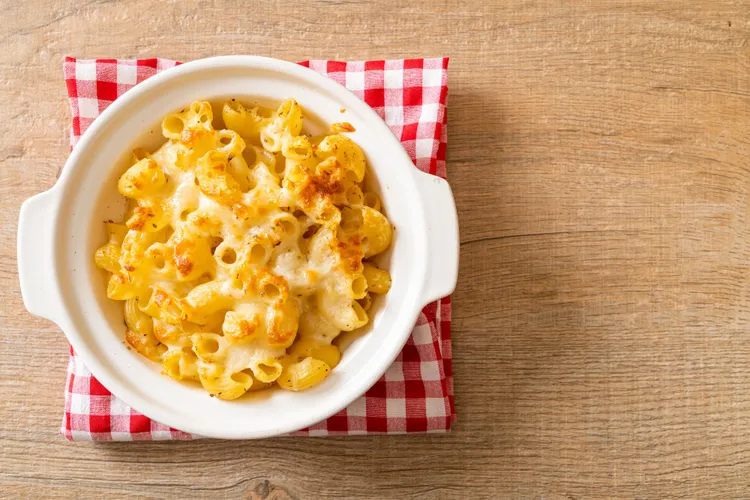
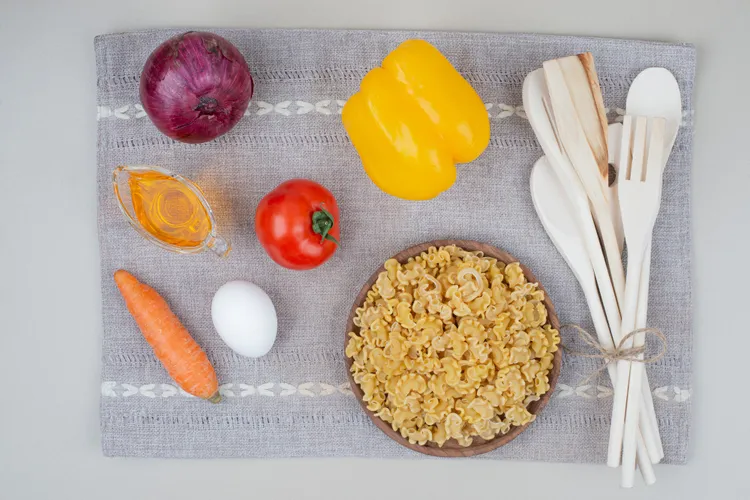
Think potatoes, rice, beans, eggs, pasta, onions, carrots, cabbage. These ingredients show up in cuisines around the world for a reason - they taste amazing when prepared thoughtfully.
Start With Technique, Not Price
The biggest difference between “meh” and “amazing” food is rarely the ingredient - it’s how it’s cooked.
Three techniques matter most:
-
Proper heat
-
Proper seasoning
-
Enough time
You don’t need fancy tools or ingredients. You need patience and intention.
Salt Early, Not Just at the End
Salt is one of the cheapest ingredients in your kitchen - and one of the most important.
Why salting early matters:
-
It brings out natural flavors
-
It seasons food from the inside
-
It prevents flat, one-note taste
Salt vegetables before roasting. Salt water for rice and pasta. Taste as you go.
Use Heat to Create Flavor
High heat equals flavor.
Browning, roasting, and sautéing create:
-
Caramelization
-
Depth
-
Richness
For example:
-
Roast cheap vegetables instead of boiling them
-
Sear eggs or tofu instead of steaming
-
Let onions cook slowly until golden
Color equals flavor.
Fat Makes Cheap Ingredients Feel Luxurious
Fat carries flavor and creates satisfaction.
Affordable fats include:
-
Butter
-
Olive oil
-
Vegetable oil
-
Margarine
A small amount goes a long way. Fat softens sharp edges and makes simple food feel comforting and complete.
Acidity Wakes Everything Up
When food tastes dull, it often needs acid - not more salt.
Cheap acid options:
-
Vinegar
-
Lemon juice
-
Pickled vegetables
A splash at the end of cooking can transform an entire dish, making it taste fresher and more balanced.
Spices: Use Them Intentionally
You don’t need a full spice rack.
Focus on:
-
A few blends you love
-
Toasting spices briefly in oil
-
Pairing spices with fat and heat
Even one spice - paprika, cumin, garlic powder - can give cheap ingredients personality.
Texture Is Just as Important as Flavor
Great food isn’t only about taste.
Add texture by:
-
Roasting instead of boiling
-
Adding crunchy toppings
-
Mixing soft and crispy elements
For example:
-
Crispy onions on rice
-
Toasted breadcrumbs on pasta
-
Seeds on vegetables
Texture keeps meals interesting, even with simple ingredients.
Build Flavor in Layers
Instead of dumping everything in at once:
-
Start with oil or butter
-
Add aromatics (onion, garlic)
-
Add main ingredients
-
Finish with salt, acid, or herbs
This layering approach makes even cheap ingredients taste complex.
Make the Most of Onions and Garlic
These two ingredients are affordable and transformative.
They:
-
Add sweetness when cooked slowly
-
Add depth when browned
-
Form the base of countless dishes
Never rush onions. Time is free - and it makes them taste incredible.
Use Leftovers as Flavor Boosters
Leftovers don’t have to be boring.
Turn them into:
-
Fried rice
-
Hashes
-
Soups
-
Wrap fillings
Reheating with oil, spices, or sauce can make leftovers better than the original meal.
Cheap Ingredients That Taste Amazing When Cooked Well
Some budget all-stars:
-
Potatoes
-
Rice
-
Eggs
-
Lentils
-
Cabbage
-
Carrots
-
Pasta
These ingredients adapt to almost any flavor profile and cooking style.
Stop Chasing Perfection - Chase Comfort
Budget cooking isn’t about impressing anyone.
It’s about:
-
Feeding yourself well
-
Enjoying your food
-
Feeling satisfied
When food feels comforting and flavorful, it’s doing its job.
Good Food Isn’t About Money
The best meals often come from understanding, not spending.
When you:
-
Use heat well
-
Season thoughtfully
-
Respect simple ingredients
Cheap food stops tasting “cheap” and starts tasting intentional, nourishing, and deeply satisfying.
Latest