How to Pair Wine with Everyday Home Cooking
Pairing wine with home-cooked meals doesn’t require fancy bottles or expert knowledge - it just takes a little awareness of flavors. The right wine can make even the simplest dinner feel more enjoyable and complete. This guide breaks down how to pair wine with everyday home cooking in a way that’s easy, flexible, and stress-free.

This post contains alcohol pairing suggestions and is intended for readers of legal drinking age (18+/21+). Please drink responsibly.
If you cook at home, you already know that food doesn’t need to be complicated to be good. Wine pairing works the same way. You don’t need rare bottles, strict rules, or perfect matches - you just need wine that gets along with your food.
Too often, wine pairing advice feels like it’s written for fine dining, not real life. But most meals happen on busy weeknights, casual weekends, or relaxed dinners with family. That’s exactly where wine pairing can make the biggest difference.
This guide is designed for everyday home cooks who want their wine to support their meals - not overshadow them or create pressure.
What Wine Pairing Really Means at Home
At home, wine pairing isn’t about perfection. It’s about balance.
A good wine pairing:
-
Makes food taste fresher or richer
-
Keeps meals from feeling heavy
-
Feels enjoyable from first sip to last bite
A bad pairing:
-
Overpowers the food
-
Makes wine taste harsh or bitter
-
Leaves your palate tired
Instead of memorizing rules, focus on how the food feels and how the wine feels together.
The 4 Wine Pairing Basics Every Home Cook Should Know
These principles apply to almost everything you cook.
1. Match the Weight of the Food and the Wine
This is the most important rule - and the easiest to use.
-
Light meals → lighter wines
-
Rich meals → fuller wines
Think about the overall heaviness of the dish, not how fancy it looks.
Examples:
-
Grilled chicken, salads, veggie dishes → light-bodied wines
-
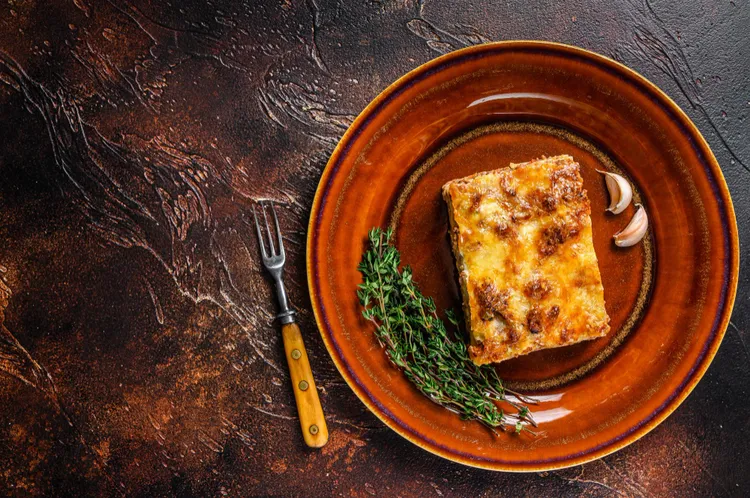
Pasta with sauce, roasted meats, casseroles → medium to full-bodied wines
If the wine feels too strong or disappears next to the food, the balance is off.
2. Acid Is Your Best Friend in Home Cooking
Acidity keeps meals tasting fresh.
High-acid wines work beautifully with:
-
Creamy sauces
-
Fried food
-
Cheese-heavy dishes
-
Fatty cuts of meat
If your meal feels rich or heavy, an acidic wine can cut through the fat and refresh your palate - just like adding a squeeze of lemon to food.
3. Sauce Matters More Than Protein
This is where most pairing advice goes wrong.
It’s not about chicken vs. beef - it’s about:
-
Tomato sauce
-
Cream sauce
-
Butter
-
Herbs
-
Spices
A chicken dish with a creamy sauce needs a very different wine than grilled chicken with lemon and herbs.
Always pair wine to the sauce and seasoning first.
4. Comfort Food Loves Approachability
Most home-cooked meals are comforting, familiar, and filling. They usually pair best with wines that are:
-
Not overly tannic
-
Not extremely high in alcohol
-
Easy to drink
Everyday food pairs best with everyday wine.
Pairing Wine with Common Home-Cooked Meals
Let’s break this down by the meals people actually cook.
Wine Pairing with Pasta Dishes
Tomato-Based Sauces
Tomatoes are acidic, so they pair best with wines that also have good acidity.
Great options:
-
Medium-bodied red wines
-
Light, fresh reds
-
Some dry rosés
These wines won’t clash with the acidity of the sauce and will keep the dish balanced.
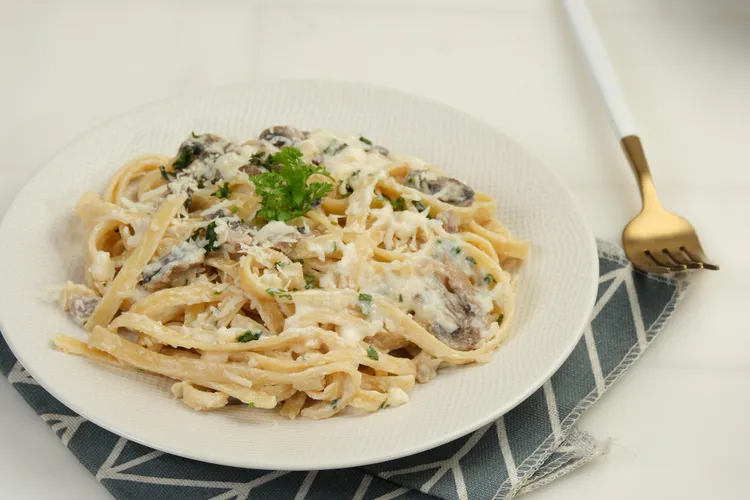
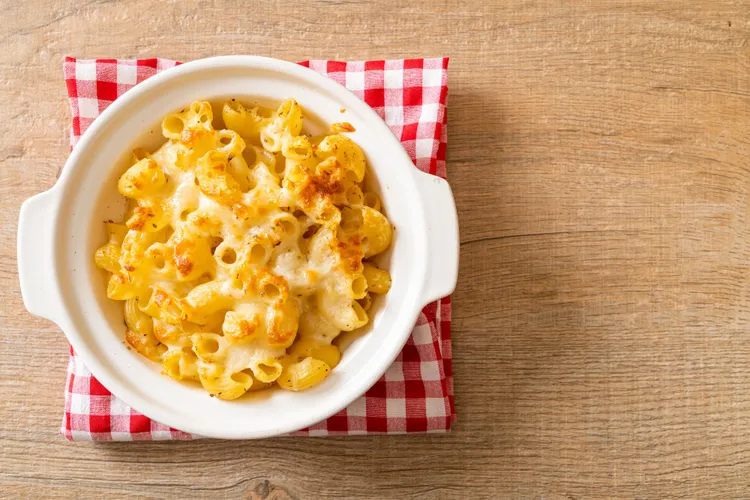
Creamy Pasta & Cheese-Based Sauces
Creamy dishes need wine that refreshes your palate.
Best choices:
-
White wines with good acidity
-
Light to medium-bodied whites
-
Sparkling wine
Avoid heavily oaked wines, which can make creamy dishes feel overly rich.
Wine Pairing with Chicken Dinners
Chicken is incredibly versatile, so preparation matters.
Roasted or Grilled Chicken
Pairs well with:
-
Medium-bodied white wines
-
Light red wines
-
Dry rosé
Herbs, garlic, and crispy skin add enough flavor to handle a bit more body.
Creamy or Saucy Chicken
Choose wines that cut through richness:
-
Fresh white wines
-
Wines with citrus notes
-
Sparkling wine for extra freshness
Wine Pairing with Beef & Red Meat at Home
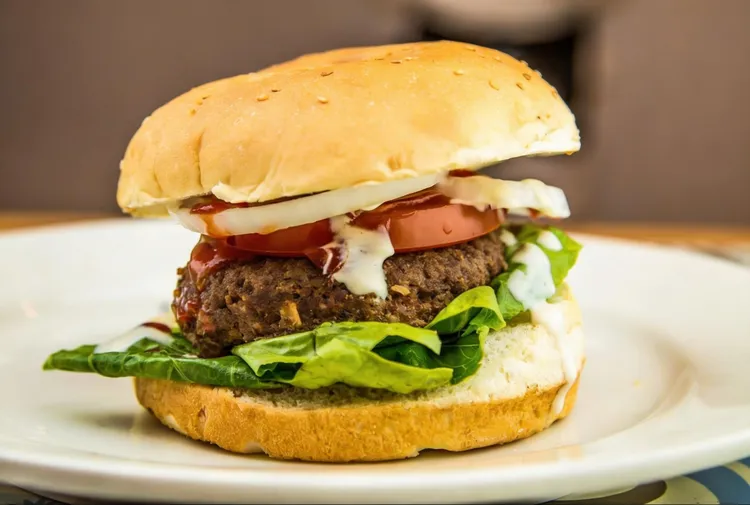
Hearty meals need wine with enough structure to match.
Great pairings include:
-
Medium to full-bodied red wines
-
Wines with moderate tannins
-
Fruit-forward reds
Fat and protein soften tannins, making these wines taste smoother and more balanced.
Wine Pairing with Pork Dishes
Pork sits between chicken and beef, making it very wine-friendly.
Depending on preparation, pork pairs well with:
-
Medium-bodied whites
-
Light to medium reds
-
Rosé wines
Sweet or savory glazes can also work beautifully with slightly fruity wines.
Wine Pairing with Fish & Seafood
Fish doesn’t automatically mean white wine - how it’s cooked matters.
Light Fish & Simple Preparations
Best with:
-
Crisp white wines
-
Light-bodied wines
-
Wines with citrus and mineral notes
Rich or Oily Fish
These can handle:
-
Fuller-bodied whites
-
Light red wines
-
Sparkling wines
Salmon, tuna, or buttery sauces add enough weight for more flexibility.
Wine Pairing with Vegetarian Home Cooking
Vegetable-based meals are often misunderstood in pairing.
Key things to consider:
-
Roasting vs. steaming
-
Spices and herbs
-
Sauces and oils
Roasted vegetables love wines with body and warmth, while fresh veggie dishes pair best with crisp, aromatic wines.
The Home Cook’s Secret Weapon: Rosé & Sparkling Wine
If you only remember one thing, make it this:
Rosé and sparkling wine pair with almost everything.
They work with:
-
Mixed meals
-
Takeout
-
Leftovers
-
Casual dinners
-
Salty snacks
They’re flexible, refreshing, and forgiving - perfect for everyday cooking.
How to Pair Wine with Takeout & Leftovers
Not every meal is from scratch - and that’s okay.
-
Pizza → medium-bodied reds, rosé, or sparkling wine
-
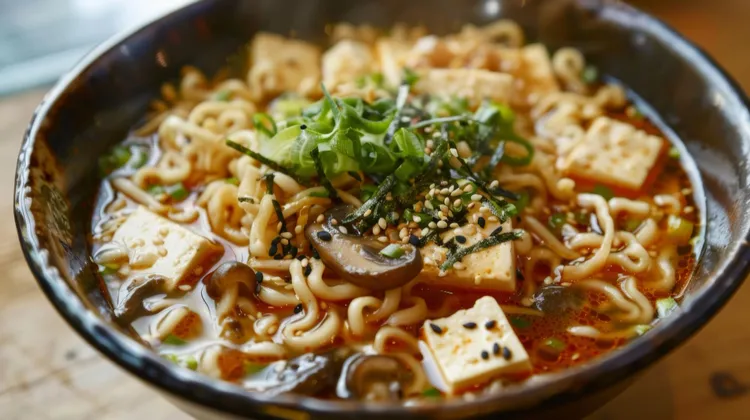
Takeout Asian food → aromatic whites or slightly fruity wines
-
Fried food → sparkling wine or high-acid whites
Wine pairing doesn’t stop just because dinner came in a box.
Common Wine Pairing Mistakes at Home
Avoid these simple pitfalls:
-
Choosing wine that’s too heavy for the meal
-
Ignoring sauces and seasoning
-
Overthinking “rules”
-
Saving wine only for special occasions
Wine is meant to be enjoyed with food - not stressed over.
A Simple Wine Pairing Shortcut for Busy Nights
Ask yourself:
-
Is the meal light or rich?
-
Is it saucy, spicy, or creamy?
-
Do I want freshness or comfort?
Your answers will guide you to the right style of wine more reliably than memorizing grape names.
The Real Rule of Pairing Wine at Home
If the wine makes your meal more enjoyable, you did it right.
Pairing wine with everyday home cooking should feel:
-
Relaxed
-
Flexible
-
Fun
Because the best wine pairing isn’t the “perfect” one - it’s the one that fits your food, your mood, and your night.
Disclaimer: This content is intended for informational and entertainment purposes only for responsible adults of legal drinking age (18+ or 21+, depending on your location). We do not advocate for the overconsumption or abuse of alcohol. Please drink responsibly and never drink and drive. Any recipes or pairing suggestions followed are at the reader’s own risk, and www.cookthismuch.com is not liable for any adverse effects or consequences resulting from the use of information on this site.
Latest