How to plan a week of meals in 5 minutes
Meal planning often sounds organized and helpful - but also time-consuming. Many home cooks skip it because they imagine spreadsheets, complicated recipes, or long preparation sessions. In reality, a simple five-minute system can organize an entire week of meals without stress.
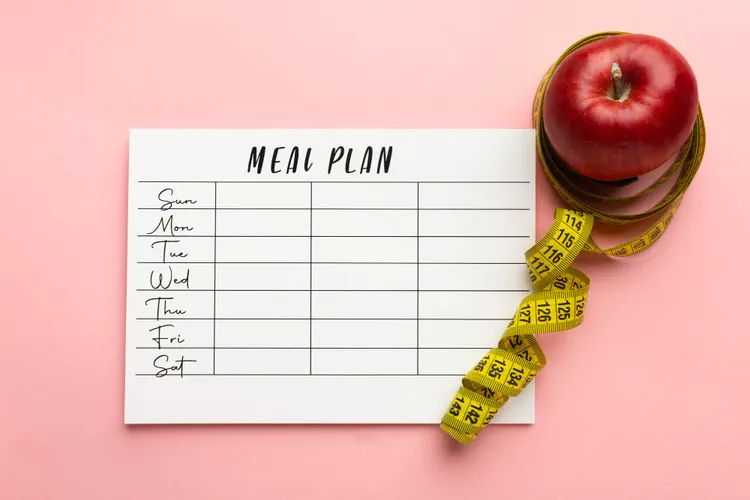
A practical, realistic meal planning system for busy home cooks
For many households, the hardest part of cooking isn’t actually cooking.
It’s deciding what to cook.
The daily question - “What’s for dinner?” - quietly drains time, energy, and grocery budgets. Without a plan, people shop more often, waste ingredients, and rely on last-minute takeout.
But meal planning doesn’t have to be complicated.
After years of cooking regularly, I stopped planning recipes and started planning structure instead. The result is a fast system that takes about five minutes each week and removes most weekday stress.
Here’s exactly how it works.
Why Traditional Meal Planning Often Fails
Many guides suggest planning seven detailed recipes every week.
That sounds organized - but it creates problems:
-
Too much decision-making
-
Ingredients that overlap poorly
-
Plans that collapse when schedules change
-
Food waste when meals get skipped.
Life rarely follows a strict menu.
A flexible framework works better than rigid planning.
The 5-Minute Meal Planning Philosophy
Instead of planning exact dishes, plan meal categories.
You’re creating direction, not restriction.
A typical structure looks like this:
-
One pasta or grain meal
-
One soup or stew
-
One quick pan dinner
-
One leftovers night
-
One vegetable-focused meal
-
One flexible or freezer meal
-
One eat-out or simple night.
Now dinner decisions become easy.
Step 1: Check Your Refrigerator First (1 Minute)
Before writing anything down, open:
-
refrigerator
-
freezer
-
pantry.
Look for ingredients that need using soon.
Examples:
-
vegetables nearing expiration
-
leftover cooked meat
-
half-used sauces.
This prevents food waste immediately.
Professional kitchens always plan inventory first.
Step 2: Choose Meal Anchors (2 Minutes)
Meal anchors are your main cooking moments.
Ask:
When do I realistically have time to cook?
Example:
Monday - busy → quick meal
Wednesday - more time → soup or roast
Friday - relaxed → pasta night.
You’re matching meals to energy levels.
This dramatically increases success.
Step 3: Use the “Repeat Winners” Rule
Home cooks often chase new recipes constantly.
But repetition saves time.
Keep a rotation of reliable meals:
-
roasted chicken and vegetables
-
stir-fry
-
pasta with vegetables
-
omelets or grain bowls.
Restaurants rely heavily on repetition for efficiency.
Your home kitchen can too.
Step 4: Plan Ingredient Overlap (1 Minute)
Smart meal planning connects ingredients.
Example:
Roast chicken Monday → chicken wraps Wednesday.
Spinach for pasta → extra for omelets.
Cook rice once → use twice.
This reduces prep work throughout the week.
Cooking becomes easier every day after the first meal.
Step 5: Leave Two Nights Flexible (30 Seconds)
This is the secret most planners miss.
Life changes.
Leave space for:
-
leftovers
-
unexpected plans
-
low-energy evenings.
Flexibility prevents abandoned plans.
Example: A Real 5-Minute Weekly Plan
Instead of detailed recipes:
Monday: Quick stir-fry
Tuesday: Pasta night
Wednesday: Soup or stew
Thursday: Leftovers
Friday: Sheet-pan dinner
Saturday: Flexible or social meal
Sunday: Simple comfort food.
Notice something important.
No stress.
Just direction.
Fast Meal Planning vs Detailed Planning
| Detailed Planning | 5-Minute System |
|---|---|
| Recipe-heavy | Category-based |
| Rigid schedule | Flexible |
| Time-consuming | Fast |
| Easy to abandon | Sustainable |
Consistency matters more than perfection.
Grocery Shopping Becomes Much Easier
Once meals are structured, shopping simplifies naturally.
You already know you need:
-
vegetables
-
protein
-
grains
-
basics.
No last-minute guessing in store aisles.
Many people cut grocery time significantly using this approach.
The Secret Advantage: Reduced Decision Fatigue
Decision fatigue affects cooking more than skill.
After work, complicated choices feel exhausting.
Meal categories remove daily decisions.
You already know the direction.
Cooking starts faster.
Batch Cooking Without Stress
The system quietly encourages efficiency.
Cook extra when possible:
-
double soup batches
-
extra roasted vegetables
-
additional grains.
Future meals become partially finished.
This saves enormous time midweek.
Digital vs Paper Planning
Both work.
Paper Method
Fast and visual.
Phone Notes
Easy updates while shopping.
Whiteboard Kitchen Plan
Great for households.
The best system is simply the one you’ll actually use.
Common Meal Planning Mistakes
Planning Seven Complex Meals
Unrealistic for most schedules.
Ignoring Energy Levels
Cooking motivation varies daily.
Buying Ingredients Without Overlap
Creates waste.
Not Using the Freezer
Backup meals prevent stress.
The Emergency Meal Backup Rule
Always keep two emergency meals available.
Examples:
-
frozen dumplings
-
canned beans and pasta
-
frozen vegetables.
Even strong plans benefit from safety nets.
Why This Method Works Long-Term
It focuses on habits rather than perfection.
You plan quickly.
You adapt easily.
You waste less food.
And cooking feels manageable instead of demanding.
That’s why many experienced home cooks eventually move toward simplified planning systems.
Meal Planning Should Make Life Easier
The goal of meal planning isn’t control.
It’s relief.
Five minutes of thoughtful planning can remove hours of stress during the week - fewer grocery trips, fewer last-minute decisions, and more relaxed cooking.
Because sometimes the smartest kitchen upgrade isn’t a new recipe.
It’s knowing what dinner already looks like before the week even begins.
Latest