The supermarket path strategy (shop 2x faster)
Most people spend far more time in the supermarket than necessary - often walking the same aisles multiple times without realizing it. A simple path strategy can cut grocery shopping time in half while helping you buy smarter. Once you understand how supermarkets are designed, shopping becomes faster, calmer, and surprisingly efficient.
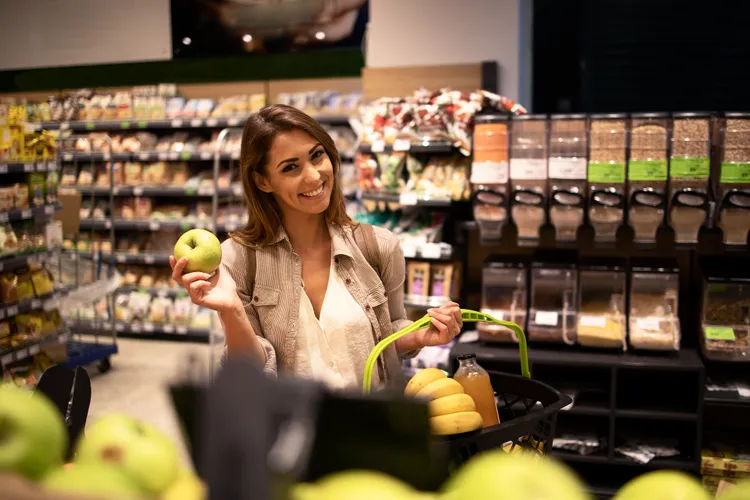
The simple grocery shopping method smart home cooks use every week
A quick grocery run rarely stays quick.
You walk in for a few ingredients and somehow spend 40 minutes navigating crowded aisles, forgetting items, doubling back, and adding things you didn’t plan to buy.
This isn’t accidental.
Supermarkets are carefully designed to slow shoppers down.
But professional cooks, meal planners, and experienced home cooks often use a different approach - a supermarket path strategy that turns shopping into a fast, organized system.
Instead of wandering, you move with intention.
Here’s how it works.
Why Grocery Stores Are Designed to Slow You Down
Understanding store layout changes everything.
Most supermarkets follow a predictable structure:
-
Fresh produce near the entrance
-
Dairy and essentials at the back
-
Packaged goods in central aisles
-
Bakery and prepared foods along edges
-
Checkout near impulse-buy zones.
This layout encourages exploration.
The longer you stay, the more you buy.
Without a plan, shoppers zigzag repeatedly across the store.
The path strategy prevents that.
What Is the Supermarket Path Strategy?
The idea is simple:
Shop the store in one continuous loop.
No backtracking.
No random aisle visits.
You move through sections once, collecting everything logically grouped together.
Think of it like cooking mise en place - preparation before action.
Step 1: Organize Your Grocery List by Store Zones
Most people write lists like this:
-
milk
-
onions
-
pasta
-
yogurt
-
chicken.
That guarantees backtracking.
Instead, organize by sections.
Example:
Produce
-
onions
-
spinach
-
tomatoes
Meat & Fish
-
chicken
Dairy
-
milk
-
yogurt
Pantry
-
pasta
-
canned tomatoes.
Now your cart follows the store layout naturally.
This single change often cuts shopping time dramatically.
Step 2: Start With Produce - But Shop Strategically
Produce usually sits at the entrance.
However, avoid loading delicate items first if your trip will be long.
Better approach:
Pick sturdy produce first:
-
potatoes
-
carrots
-
onions.
Return quickly for fragile items if needed.
Efficient shoppers balance path and practicality.
Step 3: Shop the Outer Perimeter First
Experienced cooks follow the perimeter.
Why?
That’s where most real ingredients live:
-
vegetables
-
meat
-
dairy
-
eggs
-
bakery items.
Central aisles contain mostly packaged foods.
Completing the perimeter first ensures essentials are covered quickly.
Many shoppers finish 70% of purchases before entering aisles.
Step 4: Enter Aisles Only Once
This is the biggest time saver.
Instead of entering aisles randomly:
Scan your list.
Then enter each aisle once.
Grab everything needed immediately.
Leave.
No revisiting.
This eliminates the most common shopping delay.
Step 5: Read Shelves Like a Chef
Professional buyers rarely browse slowly.
They scan vertically.
Stores place premium products at eye level.
Often cheaper or better-value options sit:
-
higher shelves
-
lower shelves.
Quick scanning saves both time and money.
Step 6: Avoid the “Decision Fatigue Trap”
Too many choices slow shopping dramatically.
Research shows decision fatigue increases purchase time.
Simplify decisions:
Choose default staples.
Example:
-
same olive oil
-
same rice brand
-
same canned beans.
Routine speeds shopping enormously.
Restaurants rely heavily on repeat purchasing for this reason.
Step 7: Use the Reverse Path Trick During Busy Hours
When stores are crowded, try reversing your route.
Start at:
-
dairy or meat section first.
Most shoppers begin at produce.
Reversing flow reduces congestion.
Unexpectedly effective during evenings or weekends.
Step 8: The 10-Second Rule for Impulse Buys
Impulse purchases slow movement.
Before adding something unplanned, ask:
Was this on my meal plan?
If not, pause for 10 seconds.
Most impulse grabs disappear instantly.
You save time and budget.
Step 9: Shop With Meal Anchors
Fast shoppers think in meals, not ingredients.
Example:
Instead of browsing randomly, anchor meals like:
-
pasta night
-
soup night
-
roasted chicken dinner.
You immediately know what to grab.
Decision-making becomes automatic.
Path Strategy vs Traditional Shopping
| Traditional Shopping | Path Strategy |
|---|---|
| Random movement | One-direction flow |
| Multiple aisle visits | Single pass |
| Forgotten items | Organized zones |
| Longer trips | Faster completion |
Efficiency compounds weekly.
Saving even 15 minutes per trip adds up significantly.
Bonus: Why This Strategy Saves Money Too
Faster shopping reduces exposure to:
-
promotional displays
-
snack aisles
-
impulse zones.
Less browsing equals fewer unnecessary purchases.
Time efficiency naturally improves budgeting.
The 20-Minute Grocery Challenge
Try this once.
Before entering the store:
-
Zone-organize list.
-
Follow perimeter first.
-
Enter aisles once only.
Many people cut shopping time nearly in half immediately.
Common Mistakes That Slow Shopping Down
Shopping Without a List
Guaranteed wandering.
Visiting Store Too Frequently
Smaller trips often take longer overall.
Browsing Hungry
Impulse decisions increase dramatically.
Ignoring Store Patterns
Layouts rarely change much.
Learning your regular store creates long-term efficiency.
Why Professional Kitchens Shop Differently
Restaurants treat shopping as logistics, not exploration.
They plan routes.
They group purchases.
They minimize time spent sourcing ingredients.
Home cooks benefit from the same mindset.
Grocery Shopping Doesn’t Have to Take Forever
The supermarket path strategy isn’t about rushing.
It’s about intention.
When your list matches the store layout and your movement follows a clear path, shopping becomes faster, easier, and less stressful.
Less wandering.
Fewer forgotten items.
Better meals waiting at home.
Sometimes the smartest kitchen upgrade starts before you even begin cooking.
Latest