Too spicy? Don’t add water - do this
A dish that turns out too spicy can quickly overpower an otherwise perfect meal. Many home cooks instinctively add water - but that often spreads the heat instead of fixing it. These smart, practical solutions help calm excessive spice while keeping flavor intact.
The smarter way to fix overly spicy food without ruining the dish
It happens faster than expected.
An extra spoon of chili paste. A hotter pepper than usual. A spice blend stronger than anticipated.
Suddenly dinner goes from flavorful to overwhelming.
The natural reaction is simple: add water.
But here’s the problem - water rarely solves spicy food. In many cases, it actually makes the burn feel stronger while diluting flavor.
Professional cooks approach spice correction differently. Instead of fighting heat directly, they rebalance the dish.
Here’s exactly how to do it.
First: Why Water Doesn’t Fix Spicy Food
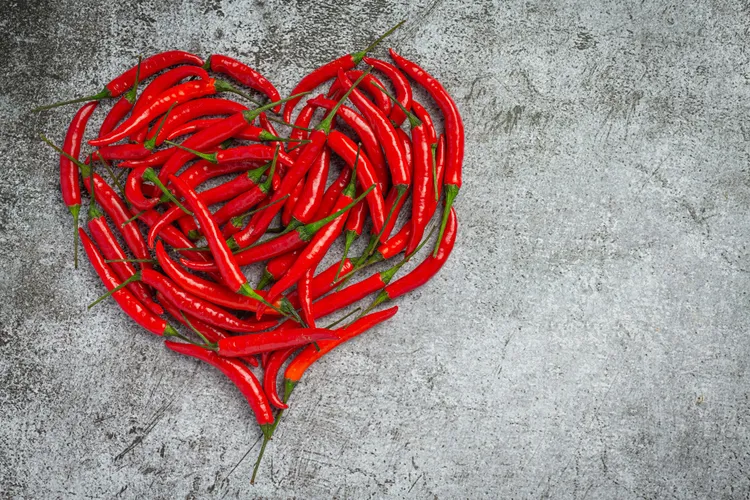
The heat in spicy food comes from capsaicin, the compound found in chili peppers.
Capsaicin has one important characteristic:
It dissolves in fat and alcohol, not water.
When you add water:
-
spice spreads through the dish
-
flavor weakens
-
heat often remains noticeable.
That’s why drinking water after eating spicy food rarely helps either.
The solution is balance - not dilution alone.
1. Add Dairy (The Fastest Cooling Fix)
Best for: Curries, soups, sauces, stews
Dairy contains casein, a protein that binds to capsaicin and reduces burning sensation.
Try adding:
-
yogurt
-
cream
-
milk
-
sour cream
-
butter
Even a small amount can noticeably calm heat.
Why it works:
Fat and proteins neutralize spice perception rather than spreading it.
Perfect for:
-
chili
-
tomato sauces
-
spicy soups
-
Mexican or Indian dishes.
2. Add Fat - Oil or Butter
If dairy doesn’t suit the recipe, fat still helps.
Options include:
-
olive oil
-
coconut milk
-
butter
-
sesame oil.
Fat dissolves capsaicin oils and softens sharp heat.
This method keeps flavor richness intact instead of watering it down.
3. Increase the Volume of the Dish
One of the most reliable fixes.
Add more of the non-spicy ingredients already in the recipe:
-
vegetables
-
beans
-
cooked meat
-
broth (unsalted)
-
rice or noodles.
You’re spreading spice across more food.
Restaurants often use this method for large batches.
Bonus: extra servings.
4. Add Something Sweet (Carefully)
Sweetness balances aggressive heat surprisingly well.
Try small additions of:
-
honey
-
sugar
-
maple syrup
-
grated carrot
-
caramelized onions.
Sweet flavors counteract spice intensity.
Best used in:
-
tomato sauces
-
stir-fries
-
spicy glazes.
Important rule:
Start tiny. Sweetness should support flavor, not dominate it.
5. Acid Brightens and Balances Heat
Acidity shifts how your palate perceives spice.
Add:
-
lemon juice
-
lime juice
-
vinegar
-
tomatoes.
Acid doesn’t remove spice but makes dishes feel fresher and less heavy.
Especially effective in:
-
soups
-
salsa
-
roasted vegetables
-
sauces.
Often just a squeeze of citrus changes everything.
6. Serve It With a Cooling Companion
Sometimes fixing the entire dish isn’t necessary.
Balance happens on the plate.
Serve spicy food with:
-
yogurt sauce
-
rice
-
bread
-
mashed potatoes
-
avocado.
This spreads heat across bites.
Many cuisines intentionally pair spicy dishes with cooling sides for this reason.
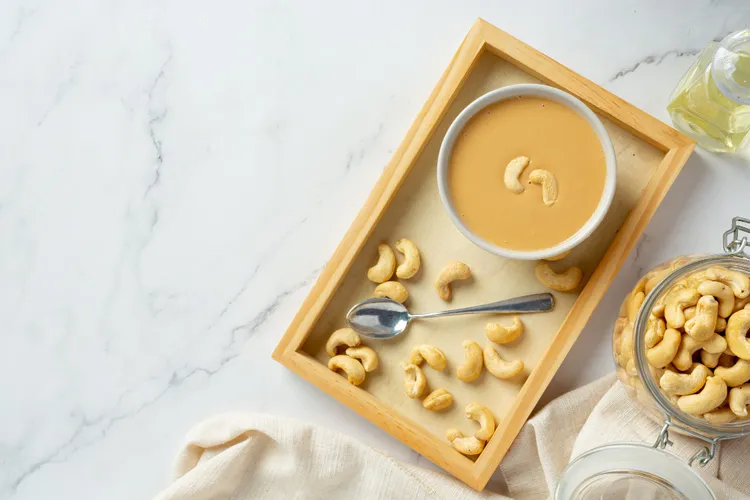
7. Add Nut Butters or Coconut Milk
Highly effective but underused.
Peanut butter, almond butter, or coconut milk add:
-
fat
-
sweetness
-
body.
They mellow spice beautifully.
Ideal for:
-
curries
-
noodle dishes
-
soups.
This method creates richness rather than dilution.
8. Remove Visible Chili Sources
If possible:
-
remove whole chilies
-
scrape chili oil pools
-
skim spicy fat from surface.
Heat continues releasing during cooking, so early removal helps prevent escalation.
Simple but effective.
9. Turn It Into a New Dish
Sometimes the smartest fix is transformation.
Examples:
Too spicy sauce → mix into pasta with cream.
Spicy stew → add beans and broth.
Overheated stir-fry → fold into fried rice.
Professional kitchens adapt constantly this way.
Quick Comparison: What Works Best
| Fix | Speed | Flavor Impact |
|---|---|---|
| Dairy | Very fast | Creamier |
| Fat | Fast | Richer |
| Add ingredients | Medium | Balanced |
| Sweetness | Fast | Slightly softer |
| Acid | Instant | Brighter |
Often combining two methods works best.
Common Mistakes When Fixing Spicy Food
Adding Water First
Dilutes flavor without solving heat.
Adding More Salt
Makes imbalance worse.
Overcorrecting With Sugar
Creates strange flavor profiles.
Ignoring Texture Changes
Too much liquid ruins consistency.
Small adjustments work better than dramatic ones.
Prevention: How to Control Spice Next Time
A few habits help avoid the problem.
-
Add chili gradually.
-
Taste after simmering.
-
Remember dried spices intensify during cooking.
-
Some peppers vary dramatically in heat.
You can always add spice later - removing it is harder.
Why Restaurants Rarely Serve Food That’s Too Spicy
Professional cooks constantly adjust balance during cooking.
They rely on:
-
fat
-
acid
-
sweetness
-
dilution through ingredients.
Heat becomes part of the flavor instead of overwhelming it.
Spice Should Excite, Not Overpower
Cooking mistakes happen in every kitchen.
The good news is that overly spicy food is almost always fixable.
Instead of reaching for water, think balance.
A little fat, acidity, sweetness, or added ingredients can completely transform a dish - turning a kitchen panic into a surprisingly great meal.
Latest