How to Spot a Good Budget Wine in Any Store
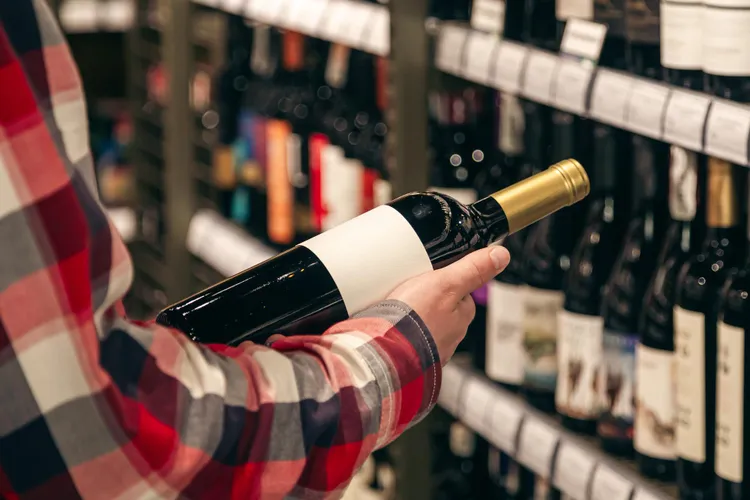
Standing in front of a wall of wine bottles can feel overwhelming - especially when you’re trying to stay on budget. The good news is that great wine doesn’t have to be expensive, and you don’t need expert knowledge to find it. This guide shows you exactly how to spot a good budget wine in any store, using simple, reliable clues that actually work.
This post contains alcohol pairing suggestions and is intended for readers of legal drinking age (18+/21+). Please drink responsibly.
Buying wine on a budget doesn’t mean gambling. In fact, once you know what to look for, finding a good bottle under $15 becomes surprisingly easy - and repeatable.
The biggest mistake people make when buying affordable wine is assuming price equals quality. It doesn’t. Some of the most food-friendly, enjoyable wines in the world are made specifically to be affordable, approachable, and ready to drink.
This guide will teach you how to scan shelves confidently, avoid common traps, and walk out with a bottle you’ll actually enjoy - no wine snobbery required.
First: Reset Your Expectations (This Matters)
A great budget wine is not trying to be:
-
Rare
-
Complex for hours
-
A “special occasion” trophy
A great budget wine is:
-
Balanced
-
Easy to drink
-
Food-friendly
-
Honest about what it is
Once you judge budget wine by the right standards, your success rate goes way up.
Step 1: Look at the Price Range, Not Just the Price
The sweet spot for quality budget wine is usually:
-
$9-$15
Below that, quality becomes inconsistent. Above that, you may be paying for branding rather than improvement.
Within this range, producers focus on:
-
Reliable sourcing
-
Clean winemaking
-
Consistent flavor
That’s exactly what you want for everyday drinking.
Step 2: Shop by Region, Not Brand
This is one of the most powerful budget-wine shortcuts.
Some regions consistently offer better value because:
-
Land is cheaper
-
Production is efficient
-
Wine is made for daily drinking
High-Value Wine Regions to Look For
When buying wine under $15, prioritize bottles from:
-
Spain - reds and whites with incredible value
-
Portugal - versatile, food-friendly styles
-
Chile - clean, reliable wines across many grapes
-
Argentina - especially great for reds
-
Southern Italy - bold flavors without high prices
-
France (southern regions) - everyday table wines
If you’re unsure, start with these regions - they rarely disappoint at this price point.
Step 3: Ignore the Front Label Hype (Seriously)
Front labels are marketing tools. They often emphasize:
-
Big words
-
Emotional language
-
Fancy imagery
None of that guarantees quality. Instead, flip the bottle around.
Step 4: Read the Back Label Like a Pro
The back label tells you far more than the front ever will.
What to Look For on a Back Label
Green flags:
-
Simple flavor descriptions (fruit, freshness, balance)
-
Food pairing suggestions
-
Alcohol level clearly listed
-
Region clearly named
Red flags:
-
Overly dramatic language
-
Too many buzzwords
-
Claims without substance (“ultra-premium,” “luxury”)
Budget wines should sound straightforward and honest.
Step 5: Check the Alcohol Percentage
Alcohol level is one of the easiest quality clues.
For most budget wines, look for:
-
11%-13.5% alcohol
Why this matters:
-
Lower alcohol = better balance with food
-
Very high alcohol can taste harsh at low prices
-
Moderate alcohol usually means fresher, more drinkable wine
This one detail can save you from a lot of disappointment.
Step 6: Be Careful with Heavy Oak
Oak aging costs money. In cheap wine, heavy oak often shows up as:
-
Harsh vanilla flavors
-
Bitter aftertaste
-
Overpowering wood notes
Budget wines are usually better when they’re:
-
Unoaked
-
Lightly oaked
-
Focused on fruit and freshness
If the label emphasizes heavy oak or barrel aging, proceed cautiously.
Step 7: Choose Familiar, Widely Grown Grape Styles
This isn’t the time to chase obscure unit grapes.
Widely grown grapes are widely grown because they:
-
Grow reliably
-
Taste good in many regions
-
Are easier to produce well at scale
That means better quality for less money. For budget wines, familiarity is your friend.
Step 8: Trust “Staff Picks” and Shelf Tags (With One Caveat)
Wine shops often highlight good values - but not all stores are equal.
Staff picks are helpful when:
-
The store specializes in wine
-
Notes focus on flavor and food pairing
-
Price is clearly emphasized
Be more cautious in big-box stores where shelf tags may be paid placements.
Step 9: Don’t Overthink the Vintage
For budget wine:
-
Freshness matters more than age
Most affordable wines are meant to be enjoyed young.
If you’re buying:
-
White wine or rosé → choose recent vintages
-
Red wine → last few years is usually fine
Older doesn’t mean better at this price point.
Step 10: Match the Wine to How You’ll Drink It
Ask yourself:
-
Is this for a meal or sipping?
-
Is the food light or hearty?
-
Is this a weeknight or a gathering?
Budget wines shine when they’re:
-
Paired with food
-
Shared casually
-
Enjoyed without pressure
Choose accordingly.
Common Budget Wine Shopping Mistakes
Avoid these traps:
-
Buying based on label design alone
-
Assuming higher alcohol means higher quality
-
Chasing trends instead of balance
-
Saving budget wine for “later” (drink it!)
Affordable wine is meant to be opened, not overanalyzed.
A Simple Checklist You Can Use in Any Store
When in doubt, run through this quick list:
✔ Under $15
✔ From a high-value region
✔ Moderate alcohol
✔ Clear, simple description
✔ Sounds food-friendly
If it checks most of those boxes, you’re on solid ground.
The Truth About Finding Good Budget Wine
Finding good wine on a budget isn’t about luck - it’s about knowing where value lives.
Once you stop chasing prestige and start shopping with intention, you’ll discover that some of the most enjoyable bottles on the shelf are also the most affordable.
Because good wine isn’t about spending more.
It’s about choosing smarter.
Disclaimer: This content is intended for informational and entertainment purposes only for responsible adults of legal drinking age (18+ or 21+, depending on your location). We do not advocate for the overconsumption or abuse of alcohol. Please drink responsibly and never drink and drive. Any recipes or pairing suggestions followed are at the reader’s own risk, and www.cookthismuch.com is not liable for any adverse effects or consequences resulting from the use of information on this site.
Latest