Italian Food & Drink Pairing Guide (Alcoholic & NA)
Italian cuisine is built on balance, simplicity, and respect for ingredients - and the same philosophy applies to drinks. Whether you enjoy a bold red wine, a refreshing spritz, or a thoughtfully crafted non-alcoholic option, the right pairing can elevate an Italian meal from good to unforgettable. This guide explores classic and modern Italian food and drink pairings, including both alcoholic and non-alcoholic (NA) choices, with clear explanations you can actually use.
This post contains alcohol pairing suggestions and is intended for readers of legal drinking age (18+/21+). Please drink responsibly.
The Golden Rules of Italian Food & Drink Pairing
Before diving into specific dishes, it helps to understand a few timeless Italian pairing principles:
-
What grows together, goes together: Regional Italian dishes often pair best with local wines or drinks.
-
Balance weight and intensity: Light dishes need light drinks; rich dishes need structure.
-
Acidity is your best friend: Italian food often features tomatoes, olive oil, and cheese - acidic drinks help cleanse the palate.
-
Avoid overpowering flavors: The drink should support the food, not dominate it.
These rules apply equally well to alcoholic and non-alcoholic beverages.
Antipasti Pairings (Starters & Small Plates)
Popular Antipasti
Bruschetta, caprese salad, prosciutto e melone, marinated vegetables, olives, fried calamari
Alcoholic Pairings
-
Prosecco: Crisp bubbles cut through saltiness and fried textures.
-
Franciacorta: A more complex Italian sparkling wine for richer starters.
-
Aperol Spritz: Light bitterness balances fresh tomatoes and creamy mozzarella.
Non-Alcoholic Pairings
-
Sparkling white grape juice: Mimics wine acidity without alcohol.
-
Citrus-infused sparkling water: Refreshing and palate-cleansing.
-
Non-alcoholic aperitifs: Herbal, slightly bitter profiles echo classic Italian aperitivo culture.
Why it works: Antipasti are meant to awaken the appetite. Light, bubbly, or mildly bitter drinks prepare the palate without overwhelming delicate flavors.
Pasta Pairing Guide
Tomato-Based Pasta (Marinara, Arrabbiata, Amatriciana)
Alcoholic
-
Chianti: High acidity complements tomato sauces.
-
Montepulciano d’Abruzzo: Fruit-forward with enough structure for savory sauces.
Non-Alcoholic
-
Pomegranate juice (diluted): Matches acidity and fruit notes.
-
Tomato water with herbs: Savory and surprisingly elegant.
Creamy Pasta (Alfredo, Carbonara, Gorgonzola Sauces)
Alcoholic
-
Pinot Grigio: Crisp enough to cut through cream.
-
Verdicchio: Adds subtle minerality and freshness.
Non-Alcoholic
-
Cold-brewed chamomile tea: Soft, floral notes balance richness.
-
Oat or almond milk spritzer with lemon zest: Lightens heavy textures.
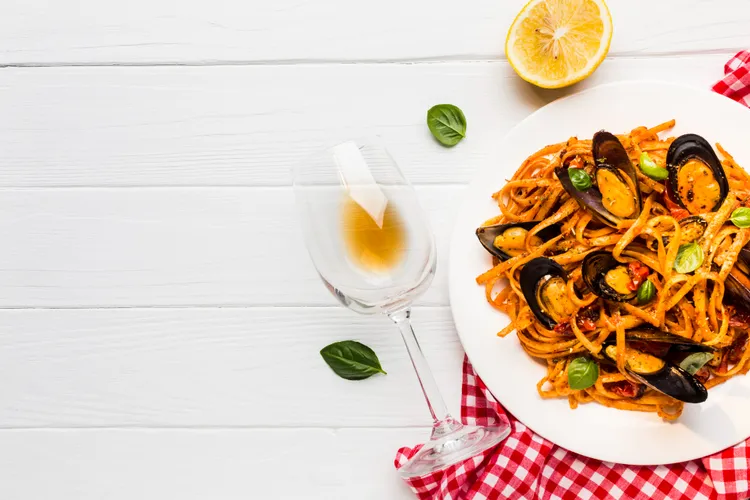
Seafood Pasta (Vongole, Shrimp, Mussels)
Alcoholic
-
Vermentino: Bright acidity and coastal minerality.
-
Falanghina: Fresh and aromatic.
Non-Alcoholic
-
Cucumber-mint soda: Clean and refreshing.
-
White peach juice with sparkling water: Delicate and fragrant.
Pizza & Flatbread Pairings
Classic Margherita & Veggie Pizza
Alcoholic
-
Chianti Classico: Tomato-friendly acidity.
-
Italian pilsner or lager: Clean and crisp.
Non-Alcoholic
-
Blood orange soda (Aranciata Rossa): Sweet-bitter balance works beautifully.
-
Sparkling basil lemonade: Herbal and refreshing.
Meat-Lover’s & Spicy Pizza
Alcoholic
-
Barbera: Juicy acidity cuts through fat.
-
Lambrusco: Lightly sparkling red, ideal for cured meats.
Non-Alcoholic
-
Black cherry juice with soda: Rich enough for savory toppings.
-
Spiced cola with citrus peel: Echoes bold flavors without alcohol.
Risotto Pairings
Mushroom or Truffle Risotto
Alcoholic
-
Nebbiolo: Earthy notes mirror mushrooms.
-
Chardonnay (unoaked or lightly oaked): Adds texture without heaviness.
Non-Alcoholic
-
Roasted barley tea: Nutty and savory.
-
Mushroom broth sipped warm: Deep umami pairing.
Seafood Risotto
Alcoholic
-
Soave: Light, mineral-driven white wine.
-
Greco di Tufo: Structured yet fresh.
Non-Alcoholic
-
Lemon-infused sparkling water: Clean finish.
-
Pear juice diluted with soda: Subtle sweetness complements seafood.
Meat & Poultry Pairings
Beef & Veal (Osso Buco, Bistecca, Brasato)
Alcoholic
-
Barolo or Barbaresco: Powerful, tannic wines for rich dishes.
-
Super Tuscan blends: Balanced intensity.
Non-Alcoholic
-
Black tea with a splash of grape juice: Tannin-like structure.
-
Pomegranate-cherry blend: Depth and acidity.
Chicken & Turkey (Roasted, Grilled, Braised)
Alcoholic
-
Sangiovese: Versatile and food-friendly.
-
Gavi: Crisp white for lighter preparations.
Non-Alcoholic
-
Apple cider (dry style): Gentle sweetness and acidity.
-
Herb-infused iced tea: Clean and aromatic.
Seafood & Fish Pairings
Grilled or Baked Fish
Alcoholic
-
Pinot Grigio: Light and neutral.
-
Fiano: Slightly richer with floral notes.
Non-Alcoholic
-
Green tea with citrus: Refreshing and subtle.
-
Sparkling water with fennel seed: Mediterranean-inspired.
Fried Seafood
Alcoholic
-
Prosecco: Bubbles cut through oil.
-
Italian wheat beer: Soft and refreshing.
Non-Alcoholic
-
Ginger beer (lightly spicy): Cuts grease.
-
Lemon soda: Classic and effective.
Cheese Pairings (Italian Classics)
Fresh Cheeses (Mozzarella, Ricotta, Burrata)
Alcoholic
-
Prosecco or Soave
Non-Alcoholic -
Melon juice with lime
-
Sparkling coconut water
Aged Cheeses (Parmigiano Reggiano, Pecorino)
Alcoholic
-
Amarone: Rich and bold.
-
Vin Santo: Sweet contrast.
Non-Alcoholic
-
Fig juice: Sweet and earthy.
-
Grape must reduction with soda: Wine-like complexity.
Italian Desserts & Drink Pairings
Tiramisu
Alcoholic
-
Marsala wine
-
Espresso martini
Non-Alcoholic
-
Cold brew coffee with cocoa
-
Chicory coffee
Panna Cotta & Cheesecake
Alcoholic
-
Moscato d’Asti
Non-Alcoholic -
Vanilla almond milk
-
Strawberry soda
Gelato & Sorbet
Alcoholic
-
Limoncello (for citrus flavors)
Non-Alcoholic -
Fresh fruit spritzers
-
Iced herbal teas
Italian Aperitivo & Digestivo Culture (Alcoholic & NA)
-
Aperitivo (Before Meals): Light, bitter, appetite-opening drinks like Aperol Spritz or NA bitter tonics.
-
Digestivo (After Meals): Traditionally amaro or grappa; NA options include fennel tea, mint tea, or citrus infusions.
This ritual is less about alcohol and more about pacing, conversation, and enjoyment.
Pairing Italian Food with Confidence
Italian food and drink pairing doesn’t require rigid rules - just awareness of balance, texture, and flavor. Whether you choose a classic Italian wine, a craft cocktail, or a well-designed non-alcoholic drink, the goal is the same: enhance the meal and the moment. By understanding why certain pairings work, you can confidently mix tradition with modern preferences and create an Italian dining experience that feels complete, inclusive, and deeply satisfying.
This content is intended for informational and entertainment purposes only for responsible adults of legal drinking age (18+ or 21+, depending on your location). We do not advocate for the overconsumption or abuse of alcohol. Please drink responsibly and never drink and drive. Any recipes or pairing suggestions followed are at the reader’s own risk, and www.cookthismuch.com is not liable for any adverse effects or consequences resulting from the use of information on this site.
Latest