Juice Pairings: When They Work and When They Don’t
Juice is often the first non-alcoholic pairing people reach for - and just as often, it’s the one that goes wrong. Too sweet, too loud, or completely out of sync with the food, juice can either elevate a meal or derail it. This guide breaks down when juice pairings actually work, when they don’t, and how to use juice intentionally at the table.
Juice has a reputation problem. On one hand, it feels natural, fresh, and accessible. On the other, it’s frequently blamed for overpowering food, clashing with savory flavors, or turning meals into sugar bombs.
The truth is simple: juice is not inherently bad at food pairing - it’s just often misused.
Understanding juice pairing isn’t about fancy rules. It’s about sugar, acidity, dilution, and timing. When you get those right, juice can be a smart, satisfying pairing. When you don’t, it can completely overwhelm the meal.
Let’s break it down.
Why Juice Is Tricky to Pair with Food
Unlike wine, beer, or tea, juice has three characteristics that make pairing difficult:
-
High natural sugar
-
Low bitterness
-
Intense, direct flavor
Sugar lingers on the palate. Without bitterness or alcohol to balance it, juice can quickly dominate both food and mouthfeel. That doesn’t mean juice can’t work - it just means it needs boundaries.
When Juice Pairings Actually Work
Juice works best when it’s used strategically, not as a default beverage.
1. With Light, Fresh Foods
Juice pairs best with dishes that are:
-
Fresh
-
Mild
-
Naturally sweet or acidic
Think:
-
Breakfast and brunch foods
-
Fruit-forward dishes
-
Light salads
Why it works: The food doesn’t fight back, and the sweetness feels appropriate.
2. With Spicy Foods (In Small Amounts)
Juice can help cool spice when:
-
It’s not overly sweet
-
It’s balanced with acidity
Citrus-based juices work better than tropical or apple-heavy options.
Why it works: Acid refreshes the palate, but excess sugar amplifies heat.
3. As Part of a Diluted Pairing
Juice shines when it’s:
-
Cut with water, soda, or ice
-
Used as a component, not the star
Spritz-style juice drinks often pair better than straight juice.
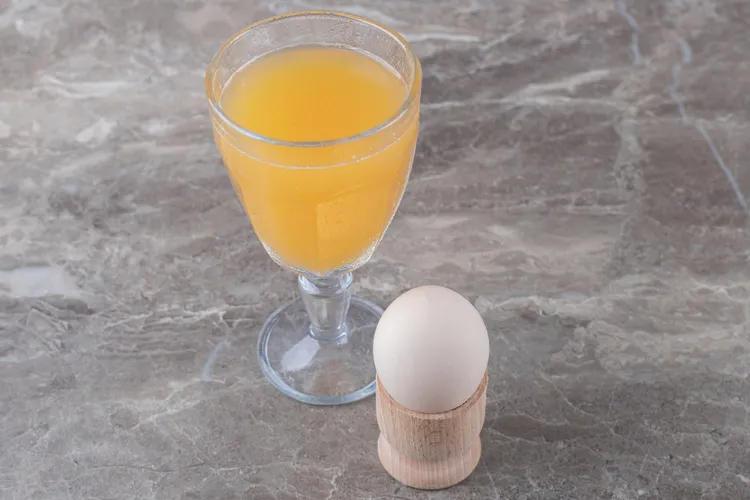
4. With Breakfast & Brunch
This is where juice naturally belongs. Classic pairings include:
-
Citrus juice with eggs
-
Tomato juice with savory dishes
The meal timing and flavor profile make sweetness feel appropriate.
When Juice Pairings Don’t Work
Knowing when not to serve juice is just as important.
1. With Rich, Savory Meals
Juice struggles with:
-
Creamy sauces
-
Cheesy dishes
-
Fat-heavy meals
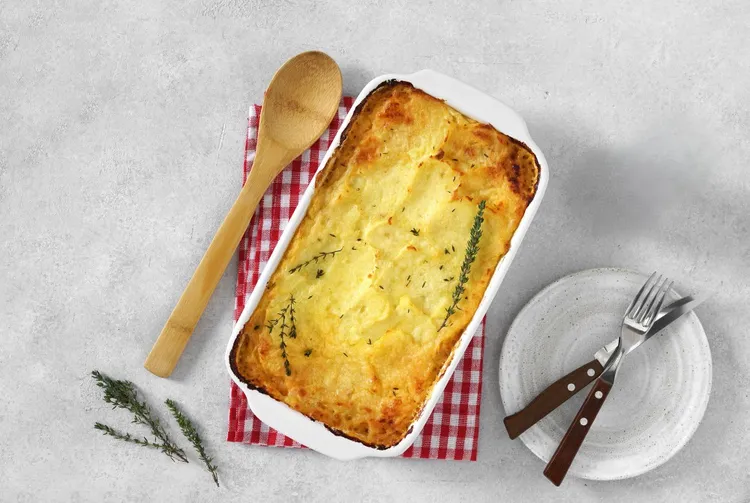
Why it fails: Sweetness clashes with umami and fat, making both feel heavier.
2. With Delicate or Subtle Foods
Juice easily overwhelms:
-
Seafood
-
Light vegetables
-
Simple grains
Even mild juices can dominate subtle flavors.
3. With Desserts (Most of the Time)
Dessert + juice often equals:
-
Too much sweetness
-
No contrast
-
Palate fatigue
Bitter or unsweetened drinks work better after dessert.
Understanding Juice by Type
Not all juices behave the same way.
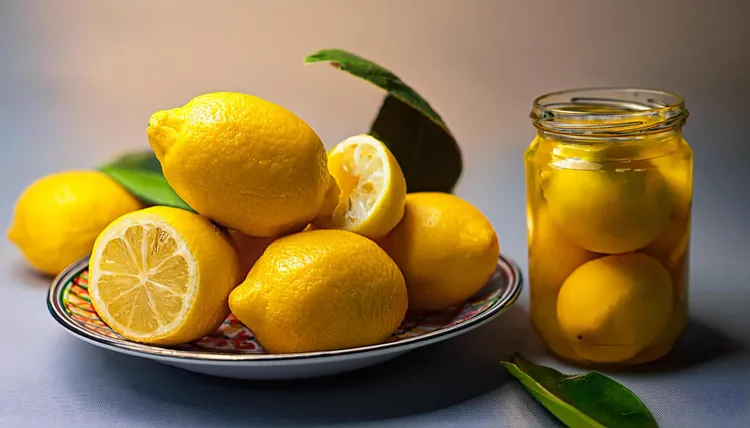
Citrus Juices (Lemon, Orange, Grapefruit)
Best for pairing:
-
Brunch
-
Light meals
-
Diluted drinks
Watch out for: Too much acidity without balance
Apple & Pear Juices
Best for pairing:
-
Mild dishes
-
Autumn meals
Watch out for: High sugar and lingering sweetness
Berry Juices
Best for pairing:
-
Light desserts
-
Breakfast items
Watch out for: Intensity overpowering food
Vegetable Juices (Tomato, Carrot, Beet)
Best for pairing:
-
Savory foods
-
Brunch
-
Spiced dishes
Why they work: Lower sugar and higher umami make them more food-friendly.
The Importance of Dilution
This is the single most overlooked juice pairing trick.
Dilution:
-
Reduces sweetness
-
Softens intensity
-
Makes juice behave more like wine or tea
Try:
-
Juice + sparkling water
-
Juice + ice
-
Juice + herbal tea
Juice vs Mocktails: Know the Difference
Straight juice is rarely ideal at the table. Structured mocktails offer:
-
Balance
-
Complexity
-
Better food compatibility
If juice feels flat or overwhelming, it probably needs help.
How to Serve Juice with Food (The Right Way)
-
Use smaller glasses
-
Serve chilled but not icy
-
Pair intentionally, not by default
-
Avoid refilling endlessly
Less juice often leads to a better experience.
Juice Pairing Ideas That Actually Work
Tomato Juice + Savory Breakfast
Umami meets umami.
Grapefruit Juice Spritz + Spicy Dishes
Bitterness and acid cool the palate.
Diluted Apple Juice + Roast Pork
Sweetness mirrors caramelization without overpowering.
Common Juice Pairing Myths
Myth: Juice is always a safe non-alcoholic option
Truth: It’s often the hardest to pair.
Myth: Fresh-squeezed juice pairs better
Truth: Freshness doesn’t fix imbalance.
Myth: Juice is healthier, so it works better
Truth: Pairing is about flavor, not health.
A Simple Juice Pairing Rule
If you remember one thing, remember this: If the juice tastes sweeter than the food, it won’t pair well. Dilute, reduce, or replace it.
When to Skip Juice Entirely
Sometimes the best pairing is no juice at all. Skip juice when:
-
The meal is rich or complex
-
The dish is subtle
-
You want a clean, savory finish
Tea, water, or structured mocktails often work better.
Juice isn’t the villain - it’s just misunderstood. When used carefully, it can enhance certain meals. When used casually, it can overpower everything. The key is intention. Juice works best when it knows its place at the table - and when it steps back instead of taking over.
Latest