Mocktails That Actually Complement Food
Mocktails have come a long way - but many still miss the mark when it comes to food. Too sweet, too flat, or too complicated, they often clash with meals instead of complementing them. This guide breaks down how to build mocktails that actually work with food, focusing on balance, structure, and flavor - not sugar.
The idea of pairing drinks with food usually brings wine, beer, or cocktails to mind. Mocktails, unfortunately, are often treated as an afterthought - sweet juices with bubbles that feel more like dessert than a drink.
But non-alcoholic drinks can pair with food just as beautifully as alcoholic ones - if they’re built correctly.
The secret? Stop trying to imitate cocktails and start focusing on what food needs from a drink.
Why Most Mocktails Fail at Food Pairing
Many mocktails fall into the same traps:
-
Too much sugar
-
No bitterness or acidity
-
Flat, one-note flavors
-
Designed to sip alone, not alongside food
Alcohol naturally adds structure and bitterness. Without it, mocktails need intentional balance.
What Makes a Mocktail Food-Friendly?
Great food-pairing mocktails share a few essential qualities.
1. Acidity
Acid cuts through richness and keeps the palate fresh.
2. Bitterness
Bitterness replaces alcohol’s drying effect and adds depth.
3. Moderate Sweetness
Sweetness should support flavor - not dominate it.
4. Aromatics
Herbs, spices, and citrus peel add complexity and interest.
Think Like a Sommelier, Not a Mixologist
Instead of asking, “What tastes fun?” ask:
-
Is the dish rich or light?
-
Does it need contrast or harmony?
-
Would this drink refresh between bites?
This mindset shift changes everything.
Mocktails for Light & Fresh Dishes
Dishes Like:
-
Salads
-
Grilled vegetables
-
Seafood
-
Grain bowls
What Works Best:
-
Citrus-forward mocktails
-
Herbal infusions
-
Light carbonation
Why It Works:
Fresh dishes benefit from brightness and lift, not sweetness.
Mocktails for Rich or Creamy Foods
Dishes Like:
-
Pasta with cream sauce
-
Cheesy casseroles
-
Fried foods
What Works Best:
-
Bitter components
-
Vinegar or citrus acidity
-
Sparkling textures
Why It Works:
Bitterness and bubbles cut through fat and reset the palate.
Mocktails for Spicy Food
Common Mistake:
Adding more sugar to “cool things down.”
Better Approach:
-
Citrus
-
Cooling herbs
-
Low sweetness
Why It Works:
Sweetness amplifies heat, while acidity and herbs calm it.
Mocktails for Comfort Food & Roasted Dishes
Dishes Like:
-
Roast chicken
-
Root vegetables
-
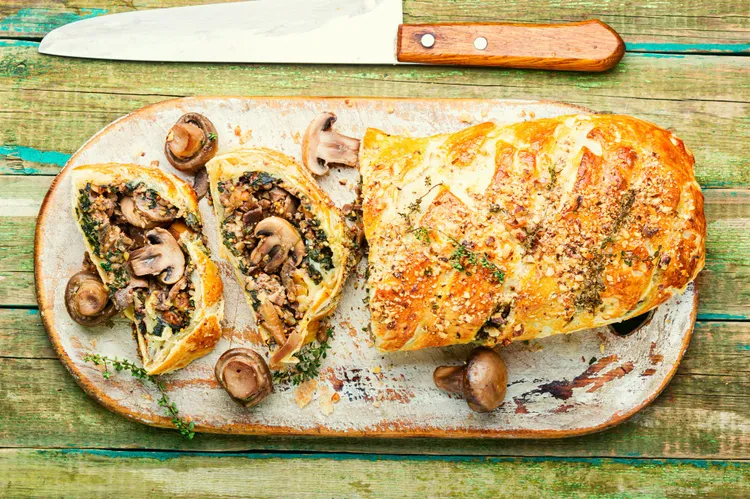
Mushroom-based dishes
What Works Best:
-
Tea-based mocktails
-
Spice-forward drinks
-
Light bitterness
Why It Works:
Warm flavors love depth and subtle bitterness.
Ingredients That Make Mocktails Pair-Ready
Stock these and you’ll always be prepared.
Acids
-
Lemon, lime, grapefruit
-
Apple cider vinegar
-
Verjus
Bitter Elements
-
Tonic water
-
Non-alcoholic bitters
-
Coffee or tea
Aromatics
-
Fresh herbs
-
Citrus peel
-
Spices like cardamom or ginger
Texture Builders
-
Sparkling water
-
Cold brew tea
-
Shrubs
Food-Friendly Mocktail Pairing Ideas
Herb & Citrus Mocktail + Grilled Vegetables
Bright acidity enhances charred flavors.
Tea-Based Mocktail + Mushroom Dishes
Earthy notes echo umami.
Bitter Citrus Spritz + Fried Foods
Cleanses the palate between bites.
Spiced Apple Mocktail + Roast Chicken
Adds warmth without heaviness.
How Sweet Is Too Sweet?
A good rule: If the mocktail tastes like juice, it won’t pair well with food.
Aim for:
-
Just enough sweetness to balance acid
-
No lingering syrupy finish
Serving Mocktails Like a Pro
Presentation matters.
-
Use real glassware
-
Keep portions moderate
-
Serve with the meal, not after
Mocktails deserve the same respect as wine or cocktails.
Hosting Tips: Offering Mocktails at the Table
-
Offer one thoughtful mocktail, not many
-
Describe it briefly so guests know what to expect
-
Make it inclusive - not a “substitute”
This frames mocktails as a choice, not a compromise.
Mocktails vs Non-Alcoholic Wine & Beer
Mocktails offer:
-
Custom flavor control
-
Better food alignment
-
No imitation expectations
They shine when treated as their own category.
Common Mocktail Myths
Myth: Mocktails are for non-drinkers only
Truth: Many drinkers prefer them with food.
Myth: Mocktails must be sweet
Truth: Balance beats sweetness.
Myth: Mocktails can’t be complex
Truth: They can be just as layered as cocktails.
A Simple Mocktail Pairing Formula
Remember this:
Rich food → Acid + bitterness
Light food → Citrus + herbs
Spicy food → Acid + cooling elements
The Real Role of Mocktails at the Table
Mocktails aren’t about replacement. They’re about participation.
They allow everyone at the table to enjoy thoughtful pairings, great flavors, and a complete dining experience - without alcohol. And when designed with food in mind, they don’t feel like an alternative. They feel intentional.
The best mocktails don’t shout. They refresh, balance, and enhance the meal. When you build them with the same care as a wine pairing or cocktail, they become an essential part of the table - not an afterthought. Because good food deserves good drinks - no matter what’s in the glass.
Food-Pairing Mocktail Recipes (Balanced, Not Sugary)
These mocktails are built around acidity, bitterness, aromatics, and texture, which are the same elements that make alcoholic pairings successful. None rely on syrups or juice-heavy sweetness.
1. Citrus Herb Spritz
Best with: Salads, grilled vegetables, seafood, light pasta
Why This Works
Bright acidity and herbal freshness lift delicate flavors without overwhelming them - similar to a crisp white wine.
Ingredients
-
2 oz fresh lemon juice
-
1 oz honey or agave syrup (lightly diluted)
-
2 oz chilled herbal tea (thyme, rosemary, or chamomile)
-
Sparkling water to top
-
Lemon peel & fresh herb (garnish)
How to Make
-
Shake lemon juice, sweetener, and tea with ice.
-
Strain into a wine glass over fresh ice.
-
Top with sparkling water and garnish.
Pairing tip: Keep sweetness subtle - this mocktail should finish dry.
2. Grapefruit & Tonic Mocktail
Best with: Fried foods, fish tacos, schnitzel, crispy appetizers
Why This Works
Bitterness from grapefruit and tonic cuts through fat like a classic aperitif.
Ingredients
-
3 oz fresh grapefruit juice
-
½ oz lime juice
-
Tonic water to top
-
Grapefruit peel (garnish)
How to Make
-
Add juices to a tall glass with ice.
-
Top with tonic water.
-
Gently stir and garnish.
Pairing tip: Choose tonic with real quinine for bitterness, not sweetness.
3. Cucumber Mint Cooler
Best with: Spicy dishes, Middle Eastern food, Thai or Indian cuisine
Why This Works
Cooling herbs and gentle acidity soothe spice without amplifying heat.
Ingredients
-
3 oz cucumber juice (or muddled cucumber, strained)
-
¾ oz lime juice
-
½ oz simple syrup
-
Sparkling water
-
Mint sprig (garnish)
How to Make
-
Shake cucumber juice, lime, and syrup with ice.
-
Strain into a chilled glass.
-
Top with sparkling water and garnish.
Pairing tip: Avoid too much sugar - sweetness intensifies spice.
4. Black Tea & Orange Spritz
Best with: Roast chicken, mushrooms, grain bowls, comfort food
Why This Works
Tea provides tannins similar to wine, while citrus keeps it refreshing.
Ingredients
-
3 oz cold-brew black tea
-
2 oz fresh orange juice
-
½ oz lemon juice
-
Sparkling water
-
Orange peel (garnish)
How to Make
-
Combine tea and juices in a glass with ice.
-
Top with sparkling water.
-
Garnish with orange peel.
Pairing tip: Use unsweetened tea for structure.
5. Apple Cider Vinegar Shrub Spritz
Best with: Pork dishes, roasted vegetables, hearty vegetarian meals
Why This Works
Acidity and subtle fruitiness balance rich, savory flavors.
Ingredients
-
1 oz apple cider vinegar shrub
-
2 oz apple juice (unsweetened)
-
Sparkling water
-
Apple slice (garnish)
How to Make
-
Add shrub and juice to ice-filled glass.
-
Top with sparkling water.
-
Stir gently.
Pairing tip: This replaces wine beautifully at fall or winter meals.
6. Coffee & Citrus Mocktail
Best with: Chocolate desserts, nut-based desserts, after dinner
Why This Works
Bitterness from coffee mirrors cocoa and prevents sweetness overload.
Ingredients
-
3 oz cold brew coffee
-
1 oz orange juice
-
½ oz maple syrup
-
Orange peel (garnish)
How to Make
-
Shake all ingredients with ice.
-
Strain into a rocks glass over fresh ice.
-
Garnish with orange peel.
Pairing tip: Keep the maple syrup minimal - this should finish dry.
7. Ginger & Lime Sparkler
Best with: Asian-inspired dishes, grilled meats, bold flavors
Why This Works
Ginger adds spice without heat, while lime cuts richness.
Ingredients
-
2 oz fresh lime juice
-
½ oz honey syrup
-
2 oz ginger tea (strong)
-
Sparkling water
How to Make
-
Shake lime juice, honey, and tea with ice.
-
Strain into glass.
-
Top with sparkling water.
Pairing tip: Ginger works like spice-driven cocktails - great with savory food.
8. Herbal Bitter Spritz (Digestif-Style Mocktail)
Best with: Heavy meals, cheese, dessert alternatives
Why This Works
Bitterness signals the end of the meal, similar to a digestif.
Ingredients
-
2 oz non-alcoholic bitter aperitif
-
3 oz sparkling water
-
Lemon peel (garnish)
How to Make
-
Build over ice.
-
Stir gently and garnish.
Pairing tip: Serve after plates are cleared.
When mocktails are built for food - not just sipping - they stop feeling like substitutes and start feeling intentional. These recipes prove that non-alcoholic drinks can enhance meals just as well as wine or cocktails.
Latest