Pairing Wine with Vegetarian & Vegan Dishes
Pairing wine with vegetarian and vegan dishes can feel confusing - especially when most wine advice is built around meat. The truth is, plant-based meals offer some of the most exciting pairing opportunities out there. This guide breaks down how to pair wine with vegetarian and vegan food using flavor, texture, and cooking method - not outdated rules.

This post contains alcohol pairing suggestions and is intended for readers of legal drinking age (18+/21+). Please drink responsibly.
If you’ve ever been told that vegetarian food is “hard” to pair with wine, you’ve been misled. Plant-based cooking isn’t limited or boring - it’s incredibly diverse, layered, and full of flavor. In fact, once you stop thinking in terms of meat vs. no meat, wine pairing becomes easier, not harder.
The secret to pairing wine with vegetarian and vegan dishes isn’t protein - it’s how the food is cooked, seasoned, and textured. Vegetables can be roasted, creamy, smoky, spicy, earthy, sweet, or fresh. Each of those qualities opens the door to different wine styles.
This guide is designed for home cooks, casual wine drinkers, and anyone cooking more plant-based meals who wants wine pairings that actually work.
Why Traditional Wine Pairing Advice Falls Short for Plant-Based Food
Most classic wine pairing rules are built around meat. When the meat is gone, people often default to “just drink white wine,” which is unnecessarily limiting.
Vegetarian and vegan dishes often:
-
Rely heavily on seasoning, sauces, and texture
-
Use roasting and caramelization for depth
-
Include rich ingredients like cheese, nuts, legumes, and oils
All of these interact with wine just as much as meat does - sometimes more.
The 4 Golden Rules for Pairing Wine with Vegetarian & Vegan Food
These principles cover almost every plant-based meal.
1. Focus on Texture, Not Protein
Without meat, texture becomes the star.
Ask yourself:
-
Is the dish light or hearty?
-
Creamy or crunchy?
-
Fresh or roasted?
A creamy risotto needs a very different wine than a crisp salad - even though both are vegetarian.
2. Pair Wine to the Cooking Method
Cooking method matters more than ingredients.
-
Roasted or grilled vegetables → fuller wines
-
Steamed or raw vegetables → lighter wines
-
Fried dishes → high-acid wines
-
Slow-cooked dishes → structured, comforting wines
Roasting creates caramelization and umami, which opens the door to red wine.
3. Sauces and Seasonings Are Everything
Herbs, spices, and sauces drive the pairing.
-
Tomato sauce = acidity
-
Creamy sauces = richness
-
Spicy sauces = heat
-
Herb-forward dishes = freshness
Always choose wine based on the dominant flavor profile, not the base ingredient.
4. Don’t Be Afraid of Red Wine
This is the biggest misconception.
Vegetarian and vegan dishes can absolutely handle red wine - especially when they’re roasted, earthy, or savory.
Wine Pairing with Common Vegetarian & Vegan Dishes
Let’s get practical with real-world meals.
Wine Pairings for Roasted Vegetables
Roasting transforms vegetables by adding sweetness and depth.
Best wine traits:
-
Medium body
-
Soft tannins
-
Warm fruit notes
Roasted root vegetables, mushrooms, and squash often pair better with red or rosé than white.
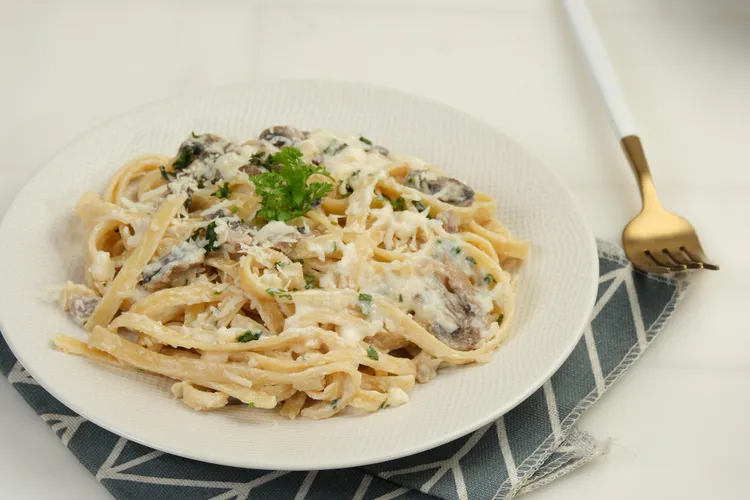
Wine Pairings for Mushroom Dishes
Mushrooms are earthy, savory, and rich in umami.
They pair beautifully with:
-
Light to medium-bodied red wines
-
Wines with earthy or herbal notes
Creamy mushroom dishes also work well with textured white wines.
Wine Pairings for Pasta & Grain-Based Vegetarian Meals
Pasta, risotto, and grain bowls vary widely.
Tomato-Based Sauces
Tomatoes are acidic, so wines need enough freshness to match.
Look for:
-
Medium-bodied reds
-
Fresh, fruit-forward styles
-
Dry rosé
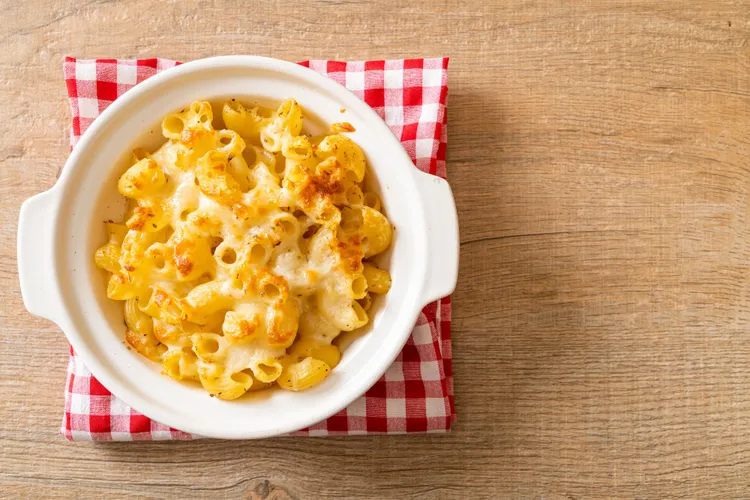
Creamy or Cheesy Dishes
Creamy vegetarian dishes need balance.
Choose wines with:
-
High acidity
-
Moderate body
-
Clean finish
Avoid overly oaked wines that add too much richness.
Wine Pairings for Vegan Comfort Food
Vegan comfort food is often hearty and deeply satisfying.
Think:
-
Lentil stews
-
Bean-based dishes
-
Plant-based casseroles
These dishes pair well with:
-
Medium-bodied red wines
-
Approachable, fruit-forward styles
-
Wines that feel warming and balanced
Wine Pairings for Salads & Fresh Vegetable Dishes
Fresh dishes need wines that won’t overpower them.
Best options:
-
Crisp white wines
-
Light-bodied wines
-
Wines with citrus and herbal notes
Heavy or tannic wines can make fresh vegetables taste bitter.
Wine Pairings for Spicy Vegetarian & Vegan Food
Spice changes everything.
For spicy plant-based dishes, look for wines that are:
-
Lower in alcohol
-
Low in tannins
-
High in acidity
-
Slightly sweet
This combination calms heat and keeps flavors enjoyable.
Wine Pairings for Vegan Cheese & Plant-Based Alternatives
Vegan cheeses vary widely in texture and flavor.
General tips:
-
Soft, creamy styles need acidity
-
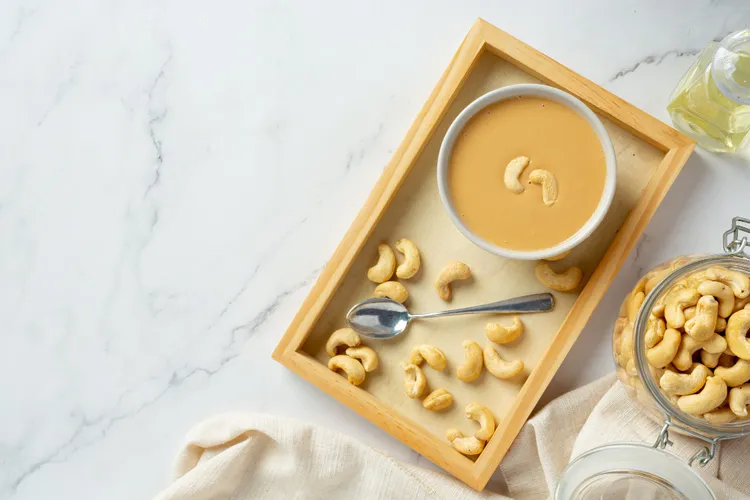
Nut-based cheeses pair well with aromatic whites
-
Aged or firm alternatives can handle light reds
Let texture guide you.
The Most Versatile Wines for Plant-Based Cooking
If you want easy, flexible options:
-
Rosé wine (works with almost everything)
-
Sparkling wine (refreshing and palate-cleansing)
-
Light-bodied reds (especially with roasted or earthy dishes)
-
High-acid whites (for fresh or creamy meals)
These wines adapt easily to vegetarian and vegan food.
Common Mistakes When Pairing Wine with Vegetarian & Vegan Dishes
Avoid these traps:
-
Automatically choosing white wine
-
Ignoring roasting and caramelization
-
Overusing heavily oaked wines
-
Pairing tannic reds with very fresh dishes
Plant-based food deserves thoughtful pairing, not default choices.
A Simple Pairing Shortcut for Plant-Based Meals
Ask yourself:
-
Is the dish fresh or hearty?
-
Is it creamy, spicy, or earthy?
-
How was it cooked?
Those answers will guide you better than any rule about meat.
The Real Truth About Vegetarian & Vegan Wine Pairing
Pairing wine with vegetarian and vegan dishes isn’t about limitations - it’s about possibilities.
Once you stop thinking in terms of what’s missing and start focusing on flavor, texture, and cooking method, wine pairing becomes intuitive and fun.
Plant-based food isn’t harder to pair with wine. It’s just asking you to pair smarter.
Disclaimer: This content is intended for informational and entertainment purposes only for responsible adults of legal drinking age (18+ or 21+, depending on your location). We do not advocate for the overconsumption or abuse of alcohol. Please drink responsibly and never drink and drive. Any recipes or pairing suggestions followed are at the reader’s own risk, and www.cookthismuch.com is not liable for any adverse effects or consequences resulting from the use of information on this site.
Latest