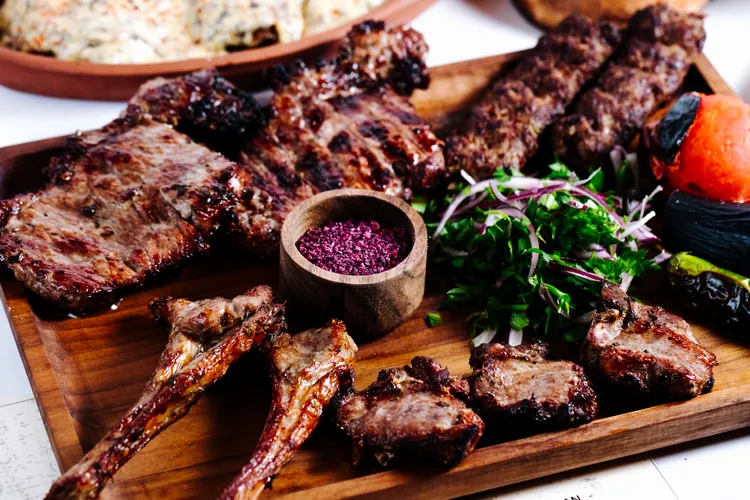
If you’ve ever sliced into a perfectly cooked steak only to watch all the juices gush out onto the cutting board, you’ve witnessed exactly why resting meat matters more than most home cooks realize. Resting isn’t a fancy chef trick or an optional extra step - it’s a crucial part of the cooking process that determines whether your meat turns out juicy, tender, and flavorful, or dry and disappointing. Understanding why meat needs to rest and how long different cuts should rest can completely transform your results, whether you're grilling, roasting, pan-searing, or smoking.
At its core, resting meat is all about allowing the muscle fibers to relax and reabsorb the juices that were forced to the surface during cooking. When meat hits heat, proteins tighten and moisture moves outward. If you cut into the meat right away, those juices spill out instead of staying inside the slice where they belong. But when you let the meat rest, the internal temperature evens out, the fibers loosen, and the meat becomes dramatically juicier. Many cooks are surprised to learn that even just a few minutes of resting can make the difference between a tough, dry bite and a melt-in-your-mouth one. And contrary to popular belief, the meat doesn’t get cold while resting - it actually continues to cook from residual heat, a process called carryover cooking, which helps it finish perfectly without drying out.
So how long should you rest meat? Larger cuts need longer resting times because they hold more internal juices and continue to rise in temperature more significantly. A small steak or chicken breast usually needs about five to seven minutes, allowing the juices to settle back into the center. Thicker cuts like ribeyes, pork chops, and bone-in chicken may need closer to ten minutes. Big roasts - such as prime rib, pork loin, or whole chicken - benefit from fifteen to twenty minutes of rest, while very large cuts like brisket or turkey rest for thirty minutes or even longer. Pitmasters often wrap briskets in foil and towels to rest for hours, not to keep them warm, but to let the juices redistribute and the connective tissues fully relax. This is why rested smoked meats slice beautifully without falling apart or drying out.
A common worry is that resting meat will make the outside lose its crispness, especially with roasted chicken skin or seared steak crust. The good news: resting doesn’t soften the crust unless the meat is covered too tightly. Tent loosely with foil if you want to keep some warmth without trapping steam. Another popular myth claims that resting makes meat lose heat, but in reality, the temperature can continue to rise anywhere from two to ten degrees during the rest, depending on the size of the cut. This means you can pull the meat off the heat slightly early - about 3-5°F for steaks and 5-10°F for large roasts - because carryover cooking will finish the job.
Resting also improves texture. Without a rest, meat often tastes firmer and drier, even if it’s technically cooked perfectly. With a rest, the fibers relax, the moisture redistributes, and the slice becomes more succulent. That’s why restaurants consistently serve juicy steaks - they simply never skip the resting step. And resting applies to all types of meat: beef, pork, poultry, lamb, and even fish. While fish rests for a shorter time, usually two to three minutes, it still benefits from that brief pause to maintain flakiness and moisture.
Whether you're searing a quick weeknight steak, roasting a whole chicken, smoking ribs, or cooking a holiday roast, resting is the easiest way to elevate your results without extra effort. It’s not about patience - it’s about science. Every minute of rest is a minute where the meat becomes juicier, more tender, and more satisfying. Once you experience the difference, resting won’t feel like a step you have to do - it will feel like the secret behind truly perfect meat every single time.