Roux 101: Blonde, Brown & Dark - And What Each Is Used For
A great roux is one of the simplest yet most powerful techniques in cooking, but few home cooks realize how much its color affects flavor. From pale blonde to deep, chocolatey dark, each stage of roux brings something unique to your dish. Mastering these differences is the key to richer sauces, better gravies, and truly unforgettable comfort food.

A great roux is one of the most fundamental building blocks in cooking, yet it’s also one of the most misunderstood. This simple mixture of fat and flour - whisked, cooked, and transformed - forms the thick, velvety backbone of countless sauces, gravies, soups, and stews. But what many home cooks don’t realize is that not all roux is the same. In fact, the flavor, color, and thickening power of your roux depend heavily on how long you cook it. Understanding the differences between blonde, brown, and dark roux can completely transform your cooking and give your dishes the depth and complexity found in professional kitchens.
Roux always starts the same way: equal parts fat (like butter, oil, bacon grease, or lard) and flour cooked together in a pan. As the mixture cooks, the starches in the flour lose their raw flavor and the fat coats the grains, preventing clumping. But the real magic happens as you continue to cook it. A blonde roux is pale and mild, a brown roux is deeper and nuttier, and a dark roux - famous in Cajun and Creole cuisine - is bold, smoky, and richly aromatic. Each version has its own personality and purpose, and choosing the right one can elevate your dish from simple to spectacular.
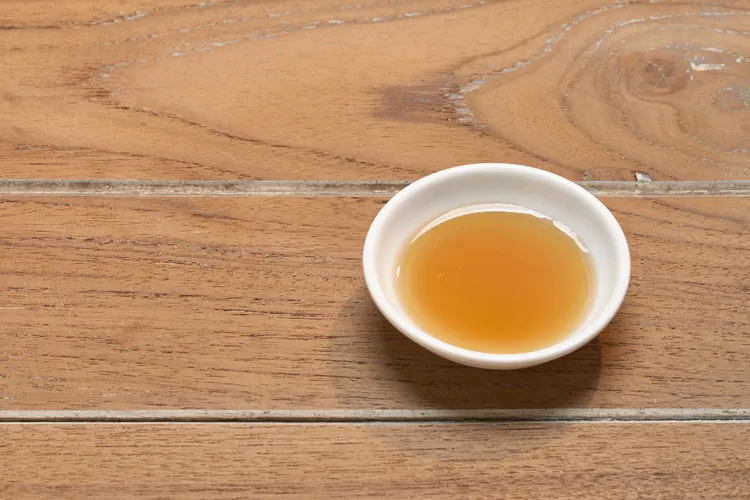
A blonde roux, the lightest of the bunch, is cooked just long enough to melt the fat and take away any raw flour taste, resulting in a pale golden mixture. This type of roux has the strongest thickening power, making it ideal for delicate sauces and creamy dishes where richness should not overpower flavor. Think béchamel, cheese sauce for mac and cheese, creamy chowders, and white gravies. Because blonde roux thickens so effectively without introducing strong toasted notes, it’s perfect when you want a silky, smooth texture and a mild backdrop that lets other ingredients shine. In classic French cuisine, this is the beginning of velouté - one of the mother sauces - showing just how essential blonde roux is across traditional cooking.
Take the roux a little further, and you enter the territory of the brown roux. As the mixture deepens in color - moving from blonde to tan to light brown - the aroma changes too. Suddenly, the roux takes on a warm, nutty, toasted scent, reminiscent of roasted nuts or freshly baked bread. Brown roux is less about sheer thickening power and more about building layers of flavor. It gives sauces and gravies a rounder, slightly caramelized richness that blonde roux simply can’t achieve. This is the ideal base for pan gravies, turkey gravy, brown sauces, gumbo variations, and heartier stews that benefit from depth. In recipes like French espagnole (a precursor to demi-glace), brown roux plays a starring role. Its flavor is assertive enough to stand up to roasted meats, mushrooms, caramelized onions, and deeper savory elements.
Then comes the most dramatic - and beloved - form: the dark roux. This is where the transformation becomes almost theatrical. Cooked low and slow (and whisked constantly) until it reaches a deep brown, mahogany, or even chocolate color, dark roux develops bold, smoky, toasted notes that are the foundation of Cajun and Creole cooking. But here’s the twist: the darker the roux, the less thickening power it has. Its role shifts from thickener to flavor enhancer. Dark roux gives dishes like gumbo, étouffée, jambalaya, and Cajun stews their signature depth and complexity. It adds earthiness, warmth, and a subtle bitterness that melds into something irresistible when simmered with vegetables, broth, and spices.
Making a dark roux requires more attention, patience, and care - it can burn quickly if overheated. Many cooks use oil instead of butter for dark roux because butter can scorch and break at the high temperatures needed to reach that smoky brown stage. When made correctly, though, dark roux perfumes the kitchen with a toasty aroma that signals something special is on the stove. It’s possibly the most flavorful version of roux, even if it thickens less than its lighter cousins.
What makes choosing the right roux so important is understanding how it behaves in your dish. Blonde roux thickens the most but adds the least flavor. Brown roux offers a balance of thickening and taste. Dark roux contributes intense flavor but minimal thickening. If your soup needs body without heaviness, a blonde roux is perfect. If you want a gravy that tastes rich and roasted, a brown roux will deliver. If your gumbo needs that deep, unmistakable Cajun backbone, dark roux is the secret. Matching the roux to the recipe ensures that your final dish has the right texture, flavor, and visual appeal.
Another key to working with roux is understanding when to add liquid. Roux should be combined with warm liquid - stock, milk, broth - to prevent clumping. Whisking slowly while adding liquid helps the mixture blend into a smooth base. The longer the mixture simmers after combining, the more it develops consistency. Roux-based sauces retain their thickening power even after cooling and reheating, making them ideal for meal prep or dishes you plan to serve later.
Roux isn’t only about sauces and soups, either. It’s the backbone of dishes like biscuits and gravy, croquettes, chicken pot pie, mornay sauce, and even some casseroles. Once you understand the differences between blonde, brown, and dark roux, you can customize your cooking with confidence and intent. You’ll be able to enhance flavor when you need richness, lighten sauces when you want delicacy, or infuse boldness when a dish calls for depth.
In the end, mastering roux is one of the simplest ways to make your cooking feel more polished, flavorful, and satisfying. This tiny two-ingredient mixture has been relied upon by cooks for centuries because it works - and because it transforms dishes in ways few other techniques can. Whether you’re whisking a pale blonde roux for a creamy sauce, deepening a gravy with a brown roux, or creating that dark Cajun base for a slow-cooked stew, you’re tapping into a culinary tradition that’s as essential as salt and heat. Roux is technique, flavor, and texture all rolled into one - and once you master the differences, your cooking will never be the same.
Latest