The Bottle Hiding in Your Fridge Could Change Every Dish You Cook
Soy sauce isn't just for dumplings. Professional chefs have quietly used it in Western kitchens for decades - and once you understand why, you'll never cook without it again.
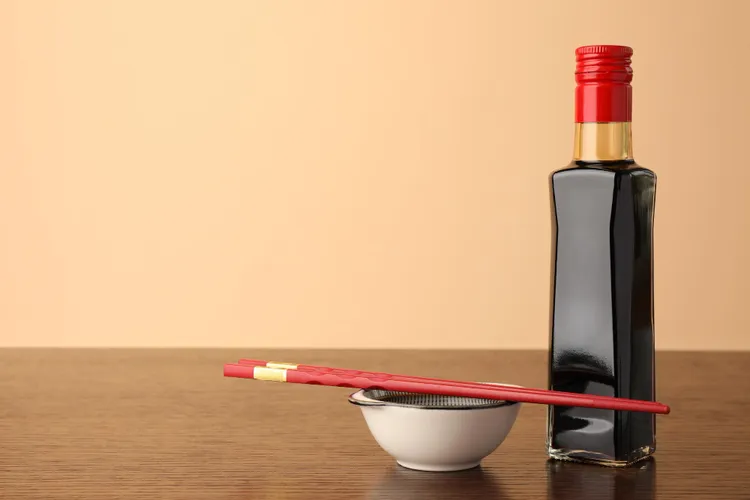
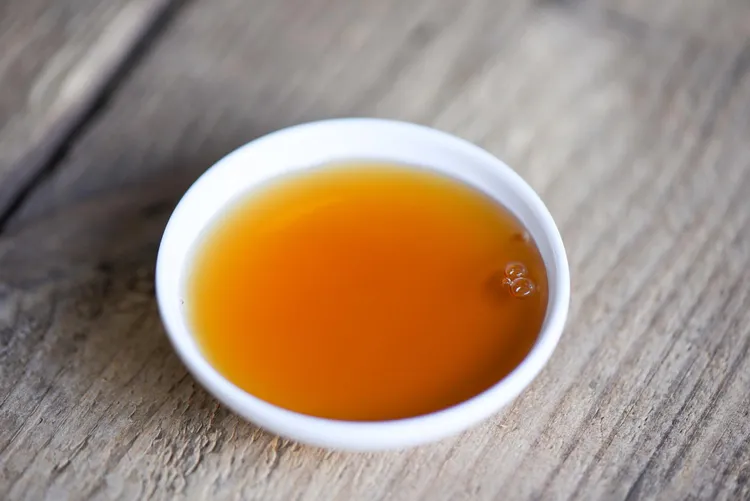
Soy sauce is one of the most powerful umami boosters available in any kitchen - not because it makes food taste "Asian," but because it contains glutamates and other flavor compounds that amplify depth, savoriness, and complexity in almost any savory dish. Used correctly and in small amounts, it's virtually undetectable as soy sauce - and that's exactly the point.
Here's a question most home cooks never think to ask: Why do restaurant burgers, pastas, and even roasted vegetables taste so much deeper and more satisfying than the ones you make at home? It's not just better technique or more butter (though both help). Often, it's a small pour of something most cooks assume belongs only in Asian recipes.
Soy sauce has one of the longest flavor histories of any condiment on the planet - over 2,500 years in use - yet most Western home cooks keep it locked to one cuisine. That's a significant missed opportunity, and understanding why will genuinely change how you cook.
Why Soy Sauce Works in Everything: The Science of Umami
Taste has five categories: sweet, salty, sour, bitter, and umami. Umami - the Japanese word for "savory deliciousness" - is the flavor of glutamates, the natural amino acids found in aged, fermented, or protein-rich foods. Parmesan, anchovies, mushrooms, tomato paste, and Worcestershire sauce all work because they're loaded with glutamates.
Soy sauce is fermented. During fermentation, soy proteins break apart into individual amino acids, including glutamic acid - the same compound responsible for umami in MSG. A single tablespoon of soy sauce contains hundreds of flavor compounds built up over months of controlled fermentation. That's not just salt. That's concentrated flavor complexity.
When you add a small amount of soy sauce to a dish that isn't tasting quite right - a stew that tastes thin, a sauce that seems flat, meat that lacks depth - the glutamates bind to taste receptors on your tongue and signal the brain that the food is rich, complex, and satisfying. This is why trained chefs call soy sauce a flavor amplifier, not just a seasoning.
What "Invisible" Soy Sauce Actually Means
When used in small amounts (typically a teaspoon or less per serving), soy sauce doesn't make food taste like soy sauce. It makes food taste more like itself, only better. This is the critical distinction most home cooks miss. You're not adding an Asian flavor - you're adding depth.
"Used well, soy sauce doesn't announce itself. It makes every other flavor in the dish louder."
What Most Home Cooks Get Wrong About Soy Sauce
Common Mistakes
- Using too much. A tablespoon can easily overwhelm a dish. A teaspoon added at the right moment transforms it. Start with ½ teaspoon and taste as you go.
- Assuming all soy sauce is the same. Light soy sauce (thinner, saltier) is for seasoning. Dark soy sauce (thicker, slightly sweet) is for color and depth. They're not interchangeable.
- Only adding it at the end. Adding soy sauce mid-cook allows it to mellow and integrate. Adding it only at the finish gives it a raw, sharp edge.
- Thinking it's just salty water. Soy sauce contains over 300 distinct flavor and aroma compounds. Salt has one. That's the entire difference.
- Not adjusting other salt. If you add soy sauce, reduce added salt accordingly. Forgetting this leads to over-seasoned food fast.
Which Soy Sauce Should You Buy? A Quick Comparison
| Type | Flavor Profile | Best Used For |
|---|---|---|
| Light Soy Sauce (e.g., Kikkoman) | Salty, bright, clean umami | General seasoning, sauces, marinades, most Western uses |
| Dark Soy Sauce | Deep, slightly sweet, thick, less salty | Braised meats, stews, adding color |
| Tamari | Richer, less salty, wheat-free | Gluten-free cooking, deeper umami applications |
| Low-Sodium Soy Sauce | Milder, slightly flat | Dishes where you need umami without extra salt |
For everyday Western kitchen use - pasta, burgers, roasted vegetables, soups - a standard light soy sauce like Kikkoman or a good tamari will cover nearly every situation you encounter.
Practical Cooking Tips: Where and How to Use It
In Burgers and Ground Meat
Mix 1 teaspoon of soy sauce directly into raw ground beef or lamb per pound of meat before forming patties. It seasons from the inside out and dramatically improves the savory depth without any detectable soy flavor in the finished burger. The same principle works for meatballs and meat sauce.
In Pasta and Tomato Sauces
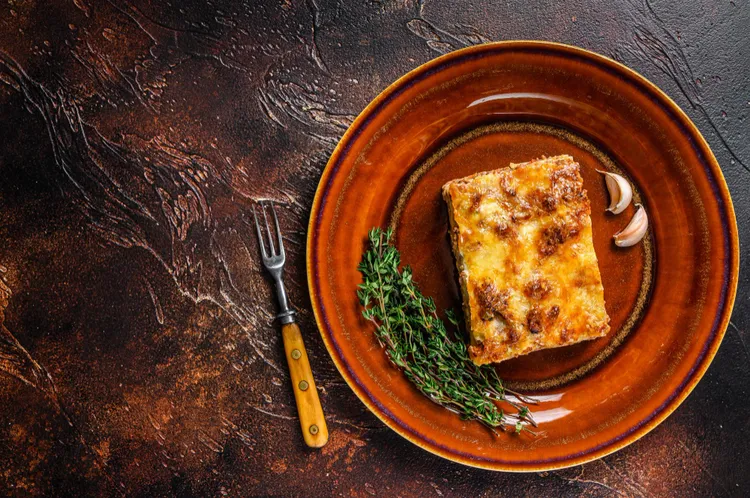
Add ½ to 1 teaspoon of soy sauce to your tomato sauce while it simmers. Tomatoes are themselves naturally high in glutamates - soy sauce amplifies that quality rather than fighting it. Many Italian cooks achieve the same result with a small anchovy, but soy sauce is faster and more controllable.
In Soups and Stews
When a broth tastes thin or flat, add ½ teaspoon of soy sauce and taste. It rounds out the flavor profile and adds a perception of richness that makes the broth feel more substantial, even without additional fat.
In Salad Dressings
Replace some of the salt in a vinaigrette with soy sauce. It adds complexity and a subtle savory quality that plain salt can't deliver. Works particularly well in dressings for hearty greens, grain salads, and anything with roasted vegetables.
On Roasted Vegetables
Toss root vegetables - carrots, parsnips, sweet potatoes - with a small amount of soy sauce and oil before roasting. The soy sauce promotes deeper caramelization and browning through the Maillard reaction, while adding savory complexity.
In Scrambled Eggs
A few drops in the egg mixture before cooking adds a quiet depth that's impossible to identify but unmistakably present. Many professional breakfast cooks use this trick consistently.
In professional kitchens, soy sauce often sits next to Worcestershire sauce and fish sauce as part of what chefs call the "umami toolkit." When a dish is ready to plate and something still feels missing - it has enough salt, enough acid, enough fat - the answer is often a few drops of soy sauce stirred in at the end.
It signals to the brain that the dish is complete. Experienced cooks don't think of soy sauce as Asian. They think of it as one of the most efficient flavor-building tools in existence.
Soy sauce contains a naturally occurring compound called ethyl lactate, which contributes a mild creaminess to its flavor profile. This is part of why a small amount added to cream-based sauces - like a pasta cream sauce or a pan sauce with butter - creates a richness that seems almost inexplicably better than without it. Fermentation chemistry is doing work most cooks don't even realize is happening.
The One Pantry Upgrade That Costs Nothing
You almost certainly already own a bottle of soy sauce. The shift isn't about buying something new - it's about using what you have in a new way. Once you understand that soy sauce's value lies in its glutamates and fermented complexity rather than its "Asian flavor identity," it stops being a specialty ingredient and becomes what it has always been for professional cooks: a universal tool.
The home cooks who make food that consistently tastes restaurant-quality aren't necessarily more skilled. Many of them have simply learned to use a handful of high-leverage ingredients - and soy sauce is near the top of that list. Start with half a teaspoon. Taste. Adjust. And notice how quickly it becomes something you reach for by instinct.
Quick Recap
- Soy sauce works in non-Asian cooking because it's rich in glutamates - the compounds responsible for umami, the savory fifth taste.
- Used in small amounts (½ to 1 teaspoon), it amplifies flavor without tasting like soy sauce.
- Light soy sauce is the best all-purpose choice for Western kitchen applications; tamari is the best gluten-free alternative.
- Add it mid-cook for integration, or at the end for a brighter hit - both techniques work depending on the dish.
- Always reduce other salt when adding soy sauce to avoid over-seasoning.
- It works in burgers, pasta sauces, soups, roasted vegetables, dressings, and eggs - not just Asian dishes.
- Professional chefs use it as part of an "umami toolkit" alongside Worcestershire sauce and fish sauce to finish dishes that taste flat.
- Soy sauce contains over 300 flavor compounds - it is fundamentally different from plain salt, not just a salty substitute.
Latest