Sauté vs. Stir-Fry: Which Technique Works Best for What?
Sautéing and stir-frying may look similar at first glance, but these two quick-cooking techniques create completely different flavors, textures, and results. Choosing the right one can mean the difference between crisp, vibrant vegetables and soft, caramelized ones - or juicy seared meat versus overcooked strips. Once you understand how each method works, you’ll be able to pick the perfect technique for any ingredient with confidence.
If you’ve ever wondered whether you should sauté or stir-fry your vegetables, proteins, or quick weeknight dinners, you’re not alone. These two high-heat cooking methods often get used interchangeably, but they’re not actually the same - and understanding the difference can transform your meals from “good enough” to restaurant-level delicious. Both sautéing and stir-frying rely on speed, heat, and movement, but each technique creates different flavors, textures, and results. Once you know when to use which, you’ll cook with far more confidence and control.
Sautéing is a classic Western cooking technique rooted in French culinary tradition, and its goal is simple: cook food quickly over medium-high heat with a small amount of fat while achieving both tenderness and browning. In sautéing, the pan does as much work as you do. The wide surface area of the pan ensures the ingredients have direct contact with heat, allowing them to caramelize gently and cook evenly. When you sauté mushrooms, onions, chicken cutlets, or zucchini, you’re aiming for soft centers with lightly browned, flavorful exteriors. This method shines when you want layers of flavor - those golden bits at the bottom of the pan, fond, are a treasure for sauces, gravies, and finishing glazes. And because sautéing uses moderate heat compared to stir-frying, it’s more forgiving: ingredients cook thoroughly without burning in seconds.
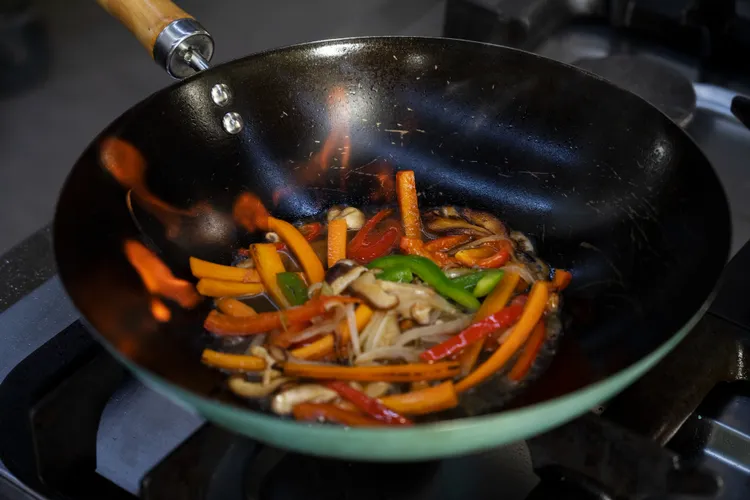
Stir-frying, on the other hand, comes from Chinese cooking and is all about intense heat, speed, and constant movement. A proper stir-fry happens in a ripping-hot wok, where oil shimmers before ingredients even touch the surface. The food cooks almost instantly, searing on contact while remaining crisp-tender. Because the wok’s high, sloped sides create zones of heat, you can move ingredients in and out of the hottest area, controlling doneness with quick tosses and turns. Stir-frying isn’t about gentle browning - it’s about capturing bold, smoky, savory flavors in minutes. This technique is perfect for small, uniform pieces of vegetables, thinly sliced meats, shrimp, tofu, and aromatics like ginger, garlic, and scallions. When executed well, a stir-fry delivers vibrant color, snappy texture, and deep umami from high-heat caramelization known as wok hei.
The choice between sauté vs. stir-fry often comes down to moisture and size. Larger cuts of meat, like chicken breasts or pork chops, do better with sautéing because they need time to cook through without burning. Stir-frying demands small, uniformly sliced ingredients that can cook rapidly - think julienned vegetables or bite-size strips of protein. Sauces behave differently too: sauté sauces are built slowly in the pan, incorporating wine, broth, cream, or butter; stir-fry sauces are quick, glossy, and thickened with cornstarch to cling tightly to every ingredient.
Even the type of oil matters. Sautéing allows for butter or olive oil, which can add flavor but have lower smoke points. Stir-frying requires neutral, high-heat oils like peanut, avocado, grapeseed, or canola to prevent burning in the searing heat. Temperature control is also crucial: sauté pans rely on maintaining even heat across the surface, while woks thrive on explosive heat that cooks food in a flash.
Texture outcomes differ dramatically as well. Sautéed vegetables become soft and caramelized; stir-fried vegetables stay crisp and bright. Sautéed chicken develops a golden crust; stir-fried chicken remains tender with lightly seared edges. Even aromatics behave differently - garlic sautés into sweetness but can burn instantly in a stir-fry unless added at just the right moment.
Understanding these differences helps you choose the technique that best suits what you’re cooking and how you want it to taste. If you want soft, silky caramelized onions, you sauté. If you want snap, spice, and high-heat flavor, you stir-fry. If you want to build a sauce from pan drippings, sautéing wins. If you want a glossy sauce that coats everything evenly, stir-frying is your tool.
And the best part? Once you understand both techniques, you can combine elements of each. Many home cooks use stir-fry heat with sauté ingredients or sauté methods with stir-fry sauces. Knowing the fundamentals gives you the freedom to adapt your cooking to whatever ingredients you have, whatever equipment is available, and whatever flavor you’re after.
By mastering when to sauté and when to stir-fry, you gain two incredibly versatile tools that elevate everyday meals. From weeknight veggies to impressive dinner-party mains, choosing the right method can mean the difference between limp vegetables and vibrant ones, or between bland chicken and deeply flavored, beautifully seared bites. With a little practice, you’ll start to sense which method each ingredient wants - and your cooking will only get better from there.
Latest