Seasonal Pairings: What to Serve in Summer vs. Winter
Seasonal pairing is about more than ingredients - it’s about mood, temperature, and how food and drink make us feel throughout the year. What refreshes us in summer can feel flat or unsatisfying in winter, and vice versa. This guide explores seasonal pairings, breaking down what to serve in summer versus winter, with practical explanations that help you match food and drinks to the season naturally and confidently.
This post contains alcohol pairing suggestions and is intended for readers of legal drinking age (18+/21+). Please drink responsibly.
Why Seasonal Pairings Matter
Our palates change with the weather. In warm months, we crave brightness, freshness, and hydration. In colder months, we look for comfort, warmth, and depth. Seasonal food and drink pairings work best when they reflect:
-
Ambient temperature
-
Ingredient availability
-
Cooking methods
-
Emotional comfort
Pairing with the season enhances flavor, balance, and overall enjoyment - without relying on strict rules.
The Core Differences: Summer vs. Winter Pairings
Summer Pairings Focus On:
-
High acidity and freshness
-
Lower alcohol and lighter body
-
Raw or lightly cooked foods
-
Cooling textures and aromas
Winter Pairings Focus On:
-
Richness and warmth
-
Fuller body and structure
-
Slow-cooked and roasted foods
-
Spices, smoke, and depth
Understanding these contrasts makes seasonal pairing intuitive rather than technical.
Summer Pairings: Light, Bright, and Refreshing
Summer Food Profiles
Summer dishes tend to be:
-
Grilled or raw
-
Vegetable-forward
-
Citrus- and herb-driven
-
Lower in fat
Think salads, seafood, grilled vegetables, cold noodles, and fresh fruit.
Summer Wine Pairings
Crisp White Wines
Examples: Sauvignon Blanc, Pinot Grigio, Albariño
Why they work: High acidity and citrus notes refresh in heat.
Dry Rosé
Why it works: Versatile, chilled, and food-friendly for mixed menus.
Light Reds (Chilled)
Examples: Gamay, Pinot Noir
Why they work: Gentle structure without heaviness.
Sparkling Wine
Why it works: Bubbles cool the palate and enhance freshness.
Summer Cocktail Pairings
-
Citrus-forward cocktails with lime, grapefruit, or yuzu
-
Herbal drinks using mint, basil, or cucumber
-
Spritz-style cocktails with low alcohol
-
Frozen or crushed-ice drinks for hydration and cooling
These drinks complement grilled foods and fresh produce without overwhelming them.
Summer Non-Alcoholic Pairings
-
Sparkling water with citrus or herbs
-
Iced teas and cold-brew infusions
-
Agua frescas and fruit spritzers
-
Coconut water and light fermented drinks
Non-alcoholic options shine in summer because refreshment is the priority.
Ideal Summer Food & Drink Matches
-
Grilled seafood → Crisp white wine or citrus spritz
-
Salads & cold noodles → Dry rosé or green tea
-
Grilled vegetables → Light red wine (chilled) or herbal soda
-
Fruit-based desserts → Sparkling wine or iced herbal tea
Winter Pairings: Warm, Comforting, and Structured
Winter Food Profiles
Winter cooking leans toward:
-
Braising, roasting, slow cooking
-
Rich sauces and fats
-
Root vegetables and hearty grains
-
Spices, smoke, and umami
Think stews, roasted meats, baked pastas, and warming soups.
Winter Wine Pairings
Fuller-Bodied Red Wines
Examples: Syrah, Merlot, Tempranillo
Why they work: Tannins and structure match rich foods.
Structured White Wines
Examples: Oaked Chardonnay, Chenin Blanc
Why they work: Weight and texture complement creamy dishes.
Fortified & Dessert Wines
Why they work: Sweetness and warmth suit cold evenings.
Winter Cocktail Pairings
-
Spirit-forward cocktails like old fashioneds and Manhattans
-
Spice-driven drinks with cinnamon, clove, or star anise
-
Warm cocktails such as mulled wine or toddies
-
Smoky elements from mezcal or peated spirits
These drinks mirror winter’s slower pace and deeper flavors.
Winter Non-Alcoholic Pairings
-
Hot teas and chai blends
-
Spiced apple cider
-
Hot chocolate and cacao drinks
-
Warm citrus and ginger infusions
Temperature becomes as important as flavor in winter pairings.
Ideal Winter Food & Drink Matches
-
Roasted meats → Bold red wine or spirit-forward cocktail
-
Creamy pasta or gratins → Full-bodied white wine or spiced tea
-
Stews & braises → Structured red wine or warm NA cider
-
Chocolate desserts → Dessert wine or hot cocoa
Transitional Seasons: Spring & Fall
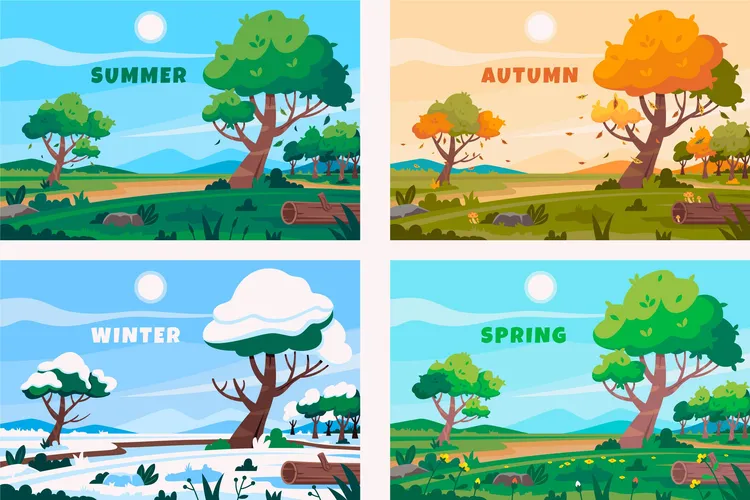
While summer and winter are opposites, spring and fall are about balance.
-
Spring favors fresh herbs, young vegetables, and lighter wines
-
Fall bridges freshness with warmth, using earthier flavors and medium-bodied drinks
These seasons reward flexibility and experimentation.
Hosting with Seasonal Pairings in Mind
For seasonal menus:
-
Serve drinks at the right temperature
-
Adjust alcohol levels to the season
-
Use seasonal garnishes
-
Let food texture guide drink weight
A small seasonal shift can transform the entire experience.
Common Seasonal Pairing Mistakes
-
Serving heavy red wine in peak summer heat
-
Over-chilled drinks in winter
-
Ignoring texture and cooking method
-
Treating drinks as seasonal afterthoughts
Seasonality should feel natural, not forced.
Let the Season Lead
Seasonal pairings work because they align with how we eat, drink, and feel throughout the year. Summer asks for freshness and restraint; winter invites depth and comfort. By letting the season guide your food and drink choices - rather than rigid rules - you create pairings that feel intuitive, satisfying, and perfectly in sync with the moment.
Disclaimer: This content is intended for informational and entertainment purposes only for responsible adults of legal drinking age (18+ or 21+, depending on your location). We do not advocate for the overconsumption or abuse of alcohol. Please drink responsibly and never drink and drive. Any recipes or pairing suggestions followed are at the reader’s own risk, and www.cookthismuch.com is not liable for any adverse effects or consequences resulting from the use of information on this site.
Latest