Step-by-Step Guide to Sous Vide at Home (Beginner Friendly)
Sous vide cooking might sound intimidating, but it’s actually one of the easiest ways to cook restaurant-quality food at home. With just a few tools and some simple steps, you can make perfectly cooked steak, juicy chicken, tender fish, and even desserts - without stress or guesswork. This guide walks you through exactly how sous vide works, what equipment you need, how to cook safely, and how to get incredible results on your very first try. Let’s take the mystery out of sous vide.
What Is Sous Vide?
“Sous vide” is French for “under vacuum.” It’s a cooking method where food is sealed in a bag and cooked slowly in a temperature-controlled water bath.
Instead of guessing doneness by time or appearance, you cook food at an exact temperature until it reaches perfection - edge to edge.
Why People Love Sous Vide
-
No overcooking
-
Precise temperature control
-
Juicier, more tender food
-
Foolproof results
-
Minimal hands-on effort
If you’ve ever overcooked a steak or dried out chicken, sous vide is about to change your life.
How Sous Vide Works
Traditional cooking exposes food to high heat, which often overcooks the outside before the inside is done. Sous vide flips that idea.
Here’s what happens:
-
Water is heated to a precise temperature
-
Food slowly reaches that temperature
-
It cannot overcook because the water never exceeds the target temp
For example, if you cook steak at 130°F (54°C), it will never go above medium-rare - even if you leave it in longer.
Equipment You Need to Sous Vide at Home
You don’t need a professional kitchen. Just a few basic tools will do.
1. Sous Vide Immersion Circulator
This is the heart of sous vide cooking. It heats and circulates the water to maintain an exact temperature.
Beginner tip: Look for one with:
-
Digital temperature control
-
Easy clip-on design
-
App control (optional, but helpful)
2. Container or Pot
You can use:
-
A large pot
-
A heat-safe plastic container
-
A dedicated sous vide tub
Size depends on how much food you plan to cook.
3. Bags for Sous Vide
Options include:
-
Vacuum-sealed bags (best)
-
Reusable silicone bags
-
Heavy-duty zip-top freezer bags (great for beginners)
4. Optional but Helpful Tools
-
Tongs
-
Cast-iron skillet (for searing)
-
Paper towels
-
Kitchen thermometer
Step-by-Step: How to Sous Vide at Home
Step 1: Set Up the Water Bath
-
Fill your pot or container with water
-
Attach the immersion circulator
-
Set your desired temperature
The water will heat and circulate automatically.
Step 2: Season the Food
Season simply at first:
-
Salt
-
Pepper
-
Herbs
-
Garlic
-
Butter or olive oil (optional)
Less is more - flavors intensify during sous vide cooking.
Step 3: Bag the Food
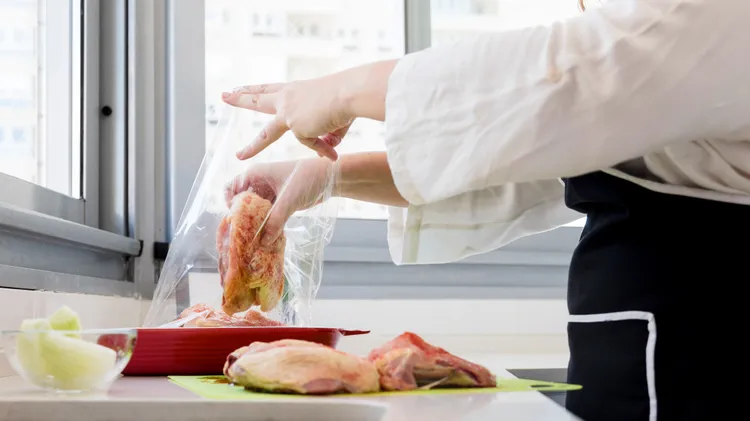
Place food in the bag in a single layer.
If using zip-top bags:
Use the water-displacement method:
-
Slowly lower the bag into water
-
Let water push out the air
-
Seal just before fully submerged
No vacuum sealer required.
Step 4: Cook in the Water Bath
Submerge the sealed bag completely.
Cooking times depend on thickness, not weight.
Once food reaches the target temperature, extra time won’t ruin it.
Step 5: Finish (Sear or Serve)
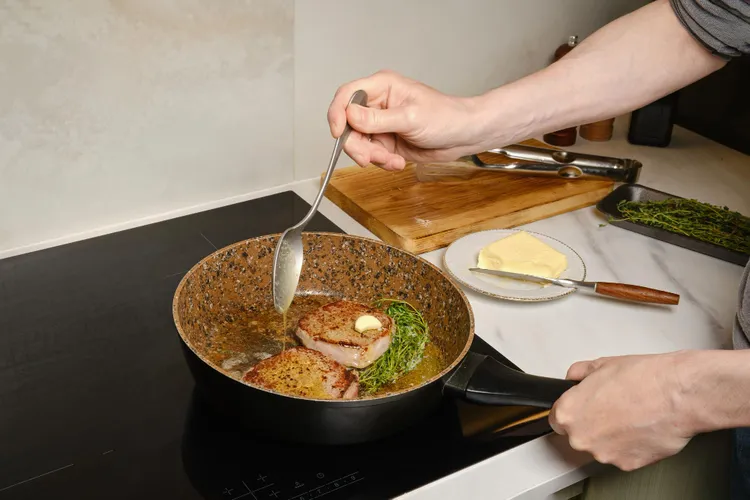
Most meats benefit from a quick sear.
-
Remove from bag
-
Pat dry (very important)
-
Sear in a hot pan for 30-60 seconds per side
This creates a flavorful crust without overcooking.
Sous Vide Temperature Guide
Steak
-
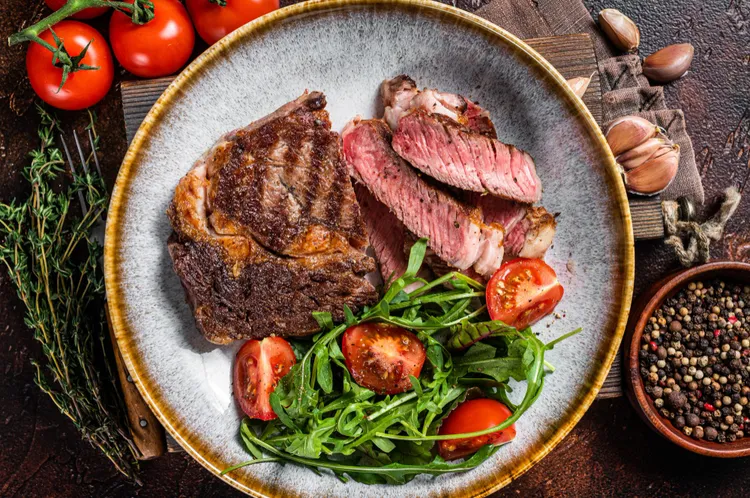
Rare: 120-125°F (49-52°C)
-
Medium-Rare: 129-134°F (54-57°C)
-
Medium: 135-144°F (57-62°C)
Chicken Breast
-
Juicy & Tender: 145°F (63°C)
-
Traditional Texture: 150-155°F (65-68°C)
Pork Chops
-
Juicy & Slightly Pink: 140°F (60°C)
-
Firm & Fully Cooked: 145°F (63°C)
Fish
-
Tender & Flaky: 125-130°F (52-54°C)
Eggs
-
Soft-Poached Style: 145°F (63°C)
-
Custardy Yolk: 147°F (64°C)
How Long Should You Sous Vide?
Sous vide cooking is forgiving, but timing still matters.
General Guidelines
-
Thin cuts: 1-2 hours
-
Thick cuts: 2-4 hours
-
Tough cuts: 12-24 hours
Rule of thumb:
Minimum time ensures doneness; maximum time preserves texture.
Is Sous Vide Safe? (Important for Beginners)
Yes - when done correctly.
Key Safety Tips
-
Cook at recommended temperatures
-
Don’t leave food in the “danger zone” (40-130°F) too long
-
Chill food quickly if storing
-
Reheat properly before serving
Sous vide is widely used in professional kitchens and is very safe when guidelines are followed.
Best Beginner Foods to Sous Vide
Start with forgiving, rewarding options:
-
Steak
-
Chicken breast
-
Pork chops
-
Salmon
-
Eggs
-
Carrots
-
Potatoes
Avoid delicate foods like shrimp until you’re more comfortable.
Common Beginner Mistakes (And How to Avoid Them)
Skipping the Sear
Sous vide cooks perfectly - but it doesn’t brown. Always sear meats for flavor.
Not Drying Food Before Searing
Moisture prevents browning. Pat dry thoroughly.
Overseasoning
Flavors concentrate during long cooks. Go light.
Crowding the Bag
Food needs space to cook evenly.
Can You Sous Vide Without a Machine?
Technically, yes - but it’s difficult and unreliable. Immersion circulators are affordable and worth the investment for consistent results.
Why Sous Vide Is Perfect for Home Cooks
Sous vide removes stress, guesswork, and timing anxiety. You don’t need years of experience - just accurate temperature control.
It’s ideal for:
-
Busy schedules
-
Meal prep
-
Entertaining
-
Learning cooking fundamentals
Once you try it, it’s hard to go back.
Sous vide cooking turns precision into simplicity. With just a circulator, a pot of water, and this step-by-step guide, you can create food that’s consistently tender, juicy, and perfectly cooked.
If you’re new to sous vide, start small, experiment confidently, and enjoy the process. Mastery comes quickly - and deliciously.